Sourcing a high-performance parka jacket china requires more than just comparing price points; it demands a deep understanding of material science and manufacturing precision. For procurement officers in the workwear and outdoor sectors, the challenge lies in balancing thermal insulation with breathability and durability.
The global shift toward technical outerwear has transformed the parka from a simple winter coat into a complex piece of engineered equipment. Whether designed for extreme industrial environments or urban commuting, the structural integrity of the garment depends on the synergy between the outer shell, the thermal lining, and the weather-sealing hardware.
By evaluating the specific manufacturing capabilities available in the Chinese textile hub, businesses can optimize their supply chain to secure garments that meet rigorous safety and performance standards without compromising on cost-efficiency.

The Technical Architecture of Modern Performance Parkas

A professional parka is not a single layer of fabric but a sophisticated multi-component system. The outer shell serves as the primary defense, often utilizing high-density softshell or waterproof membranes that repel external moisture while remaining breathable. This prevents the "greenhouse effect" inside the jacket during high-activity periods.
Beneath the shell, the thermal layer—typically a plush fleece or synthetic padding—is engineered to trap air pockets, which act as natural insulators to maintain core body temperature. The integration of 4-way stretch construction in modern designs ensures that these layers do not restrict movement, a critical requirement for workers in the field.
Finally, the hardware components, including weather-sealed zippers and adjustable high-collar systems, seal the gaps where heat escape is most common. This holistic approach to design is what separates industrial-grade parkas from standard retail outerwear.
Critical Evaluation Factors for High-End Outerwear
When evaluating manufacturers, the focus must shift from aesthetic appeal to technical specifications. The quality of a parka is measured by its ability to withstand environmental stress over extended lifecycles without degradation of its water-repellent properties.
Key indicators include the denier of the face fabric, the hydrostatic head rating for waterproofing, and the GSM (grams per square meter) of the inner lining. A higher GSM typically indicates better warmth but can increase bulk, potentially hindering mobility in tight workspaces.
Furthermore, reinforced stitching in high-stress areas, such as the armpits and pockets, is a non-negotiable requirement for garments intended for professional use. Failure in these zones often leads to premature garment retirement, increasing the total cost of ownership.
Operational Scenarios for Industrial and Outdoor Parkas
The application of a parka varies significantly depending on the user's environment. In mountain-ready scenarios, such as hiking or climbing, the priority is a detachable storm hood and high-performance softshell exterior to handle erratic weather changes and steep elevation gradients.
For urban commuters and office-to-outdoors transitions, the requirement shifts toward a sleek profile and a polished aesthetic. These users need a jacket that provides wind protection during travel but remains professional and breathable enough for indoor settings.
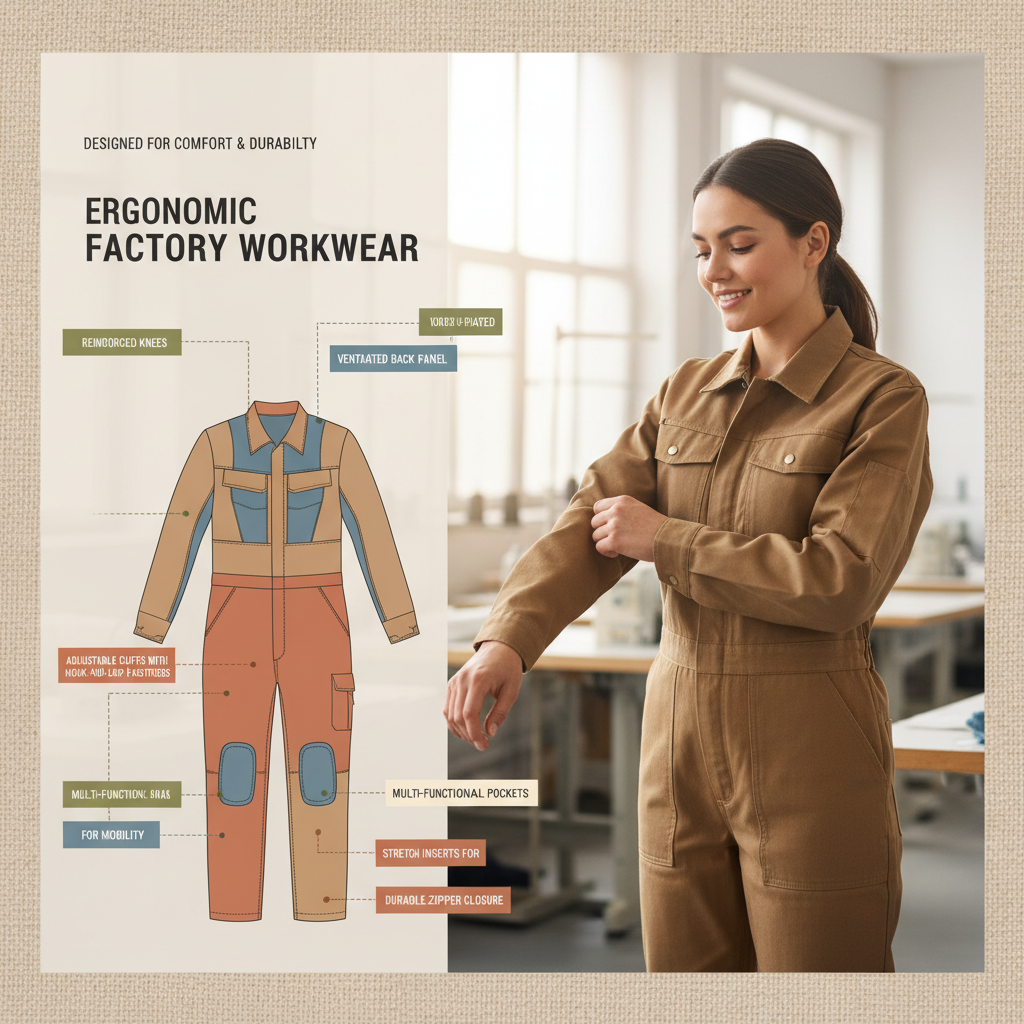
In industrial workwear contexts, the emphasis is on durability and utility. Features like internal security pockets for valuables and adjustable cuffs to prevent debris entry are essential. These garments often function as part of a larger protective clothing system, requiring compatibility with other safety gear.
Analyzing Material Performance and Thermal Efficiency
Quantitative analysis of fabric performance reveals a clear distinction between generic fleece and engineered softshell systems. The primary metric for thermal efficiency is the garment's ability to maintain a stable internal temperature regardless of the external wind chill factor.
Data indicates that the integration of advanced fabric technology significantly enhances water resistance and wind-blocking capabilities compared to standard textile blends. This is particularly evident when comparing moisture vapor escape rates during physical exertion.
parka jacket china Performance Metrics
The chart highlights how technical parkas outperform industry benchmarks in critical areas such as wind resistance and moisture management, ensuring that the wearer remains dry and warm without overheating.
Strategic Procurement and Quality Control Frameworks
Procurement of technical outerwear should follow a rigorous verification process to avoid the risk of sub-standard materials. A common pitfall is relying solely on sample approvals, as mass production can sometimes deviate from the initial prototype.
To mitigate risk, buyers should insist on BSCI certificates and third-party fabric testing. Verifying the post-consumer recycled content of materials is also becoming a standard requirement for companies aiming to meet ESG (Environmental, Social, and Governance) targets.
A comprehensive quality control checklist should include a "water drop test" for the exterior shell and a "seam stress test" to ensure that the garment will not fail under the physical demands of a professional work environment.
Innovations in Sustainable Technical Fabrics
The textile industry is moving toward a circular economy, and technical outerwear is at the forefront of this transition. The integration of recycled materials—such as 30% post-consumer content in softshell fabrics—is becoming increasingly common without sacrificing performance.
New developments in bio-based waterproof coatings are likely to replace traditional PFCs (perfluorinated chemicals), reducing the environmental impact of the manufacturing process. These innovations could potentially offer similar water-repellency levels while being biodegradable.
Additionally, the adoption of 3D knitting and precision cutting is expected to reduce fabric waste during production. This not only lowers the cost but also allows for more ergonomic designs that follow the natural contours of the human body more closely.
Selecting the Right Parka Configuration for Your Market
Choosing the correct specifications depends on a careful analysis of the target user's climate and activity level. A heavy-duty winter parka designed for Arctic conditions would be entirely unsuitable for a temperate climate commuter due to excessive heat retention.
The following table provides a decision matrix for selecting the appropriate parka configuration based on the primary intended use case and environmental stress.
| Application Model | Primary Material | Core Feature | Priority Metric |
|---|---|---|---|
| Extreme Industrial | Heavy Duty Nylon | Thermal Fleece Lining | Durability |
| Mountain Outdoor | Tech Softshell | Detachable Storm Hood | Breathability |
| Urban Commuter | Lightweight Blend | Sleek Profile | Aesthetics |
| Safety/Security | Hi-Vis Fabric | Reflective Piping | Visibility |
| Active Sport | 4-Way Stretch | Moisture Wicking | Mobility |
| All-Season Mid | Light Padding | Adjustable Cuffs | Versatility |
By aligning these technical specifications with actual field requirements, procurement managers can ensure they provide garments that truly enhance worker safety and comfort.
Frequently Asked Questions
Conclusion
The acquisition of a high-performance parka is an investment in human capital, directly affecting the productivity and health of those working in challenging environments. Success depends on moving beyond superficial specifications to a deeper analysis of fabric technology, ergonomic design, and manufacturing ethics.
For those evaluating technical outerwear options, reviewing the specialized product ranges and manufacturing capabilities available through www.delleecloth.com can provide the necessary context to make an informed procurement decision.