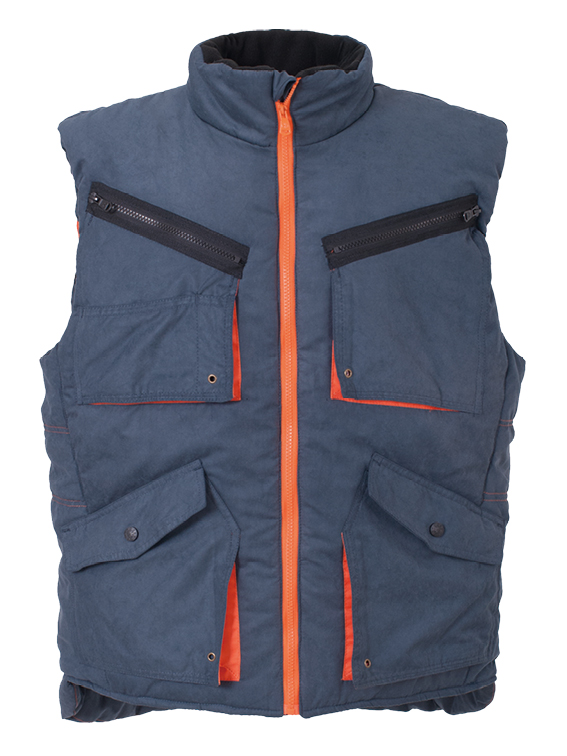
High-Performance hunting parka Solutions for Bolivia

Engineering advanced textile protection for the Altiplano and Andean terrains, combining extreme thermal insulation with industrial-grade durability.

High-Performance hunting parka Solutions for Bolivia

Specialized woven garments designed to withstand the unique atmospheric pressure and temperature fluctuations of the Bolivian highlands.

Bolivian Textile Market: Navigating Extreme Topography

Analysis of protective clothing requirements in the heart of South America.

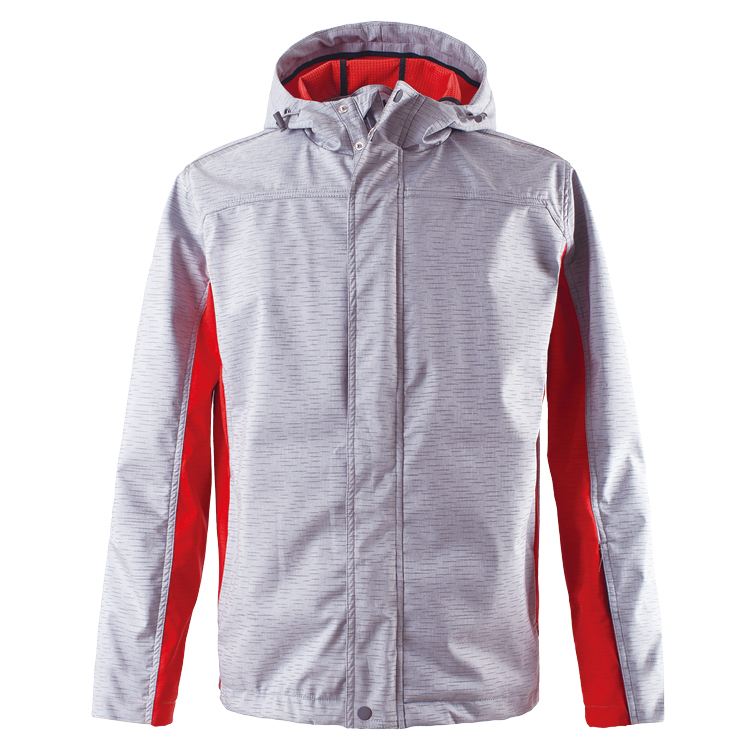
Bolivia's geography presents a dual challenge for woven garment manufacturing. From the humid lowlands of Santa Cruz to the freezing heights of La Paz and Potosí, the demand for a mens waterproof insulated jacket is driven by the necessity to combat rapid thermal shifts and high UV exposure at high altitudes.

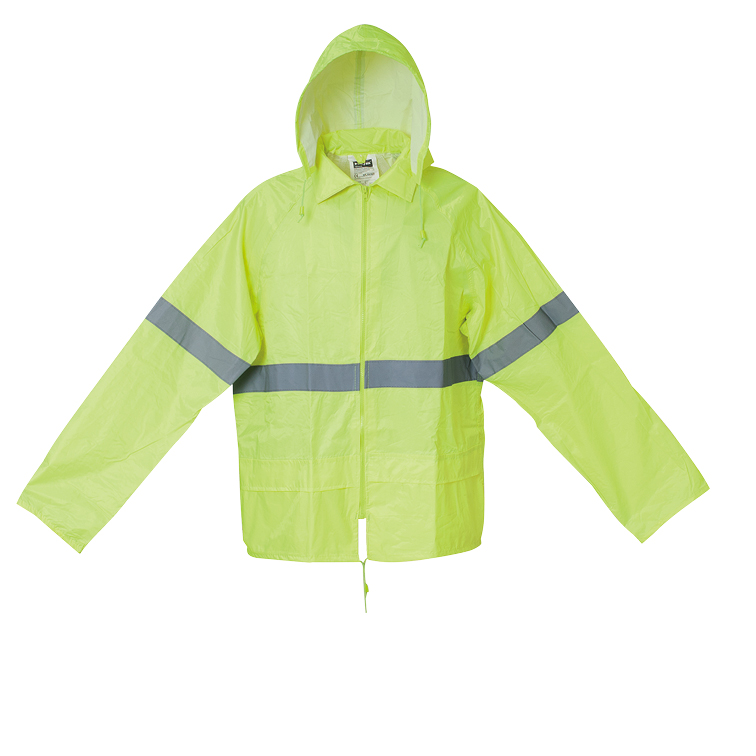
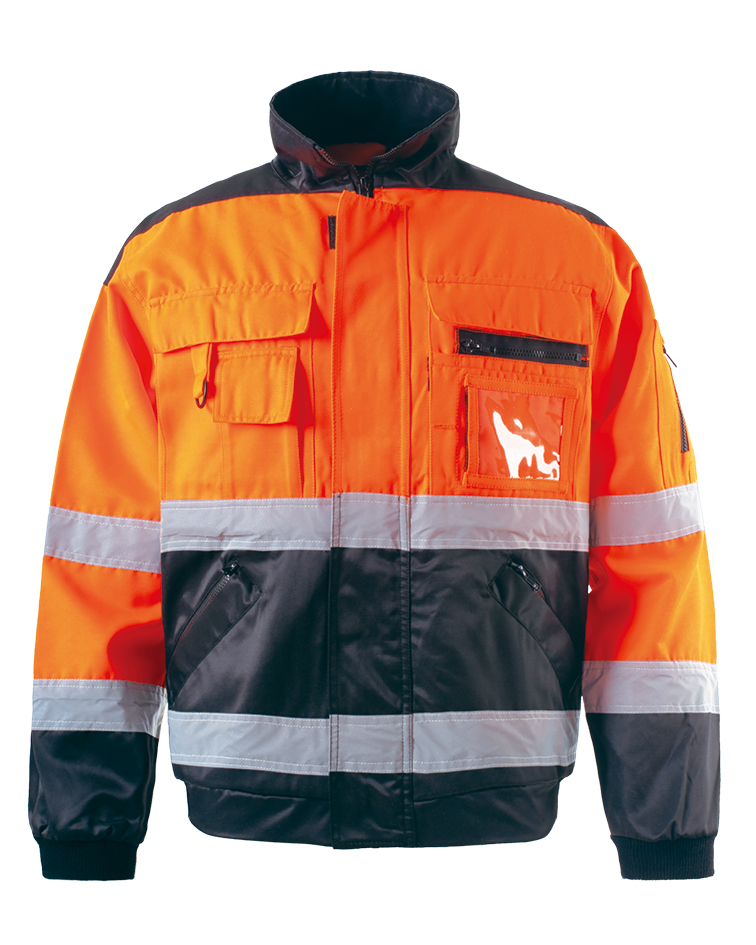
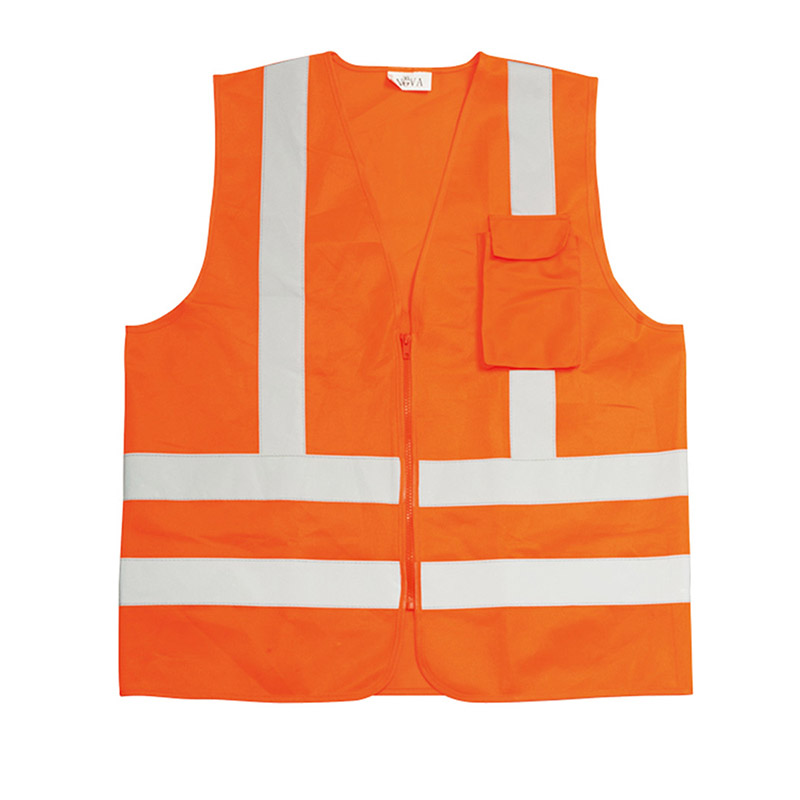
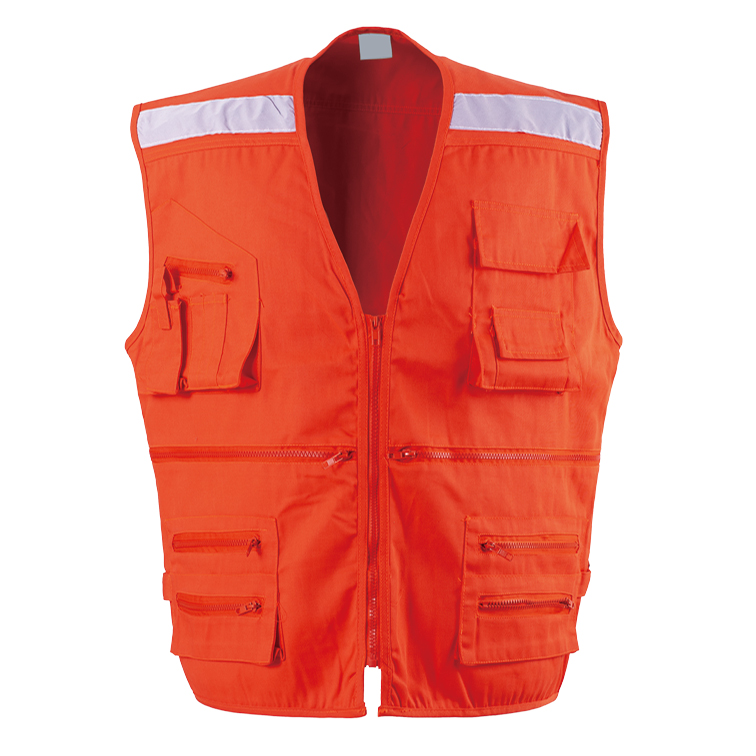
In the industrial sector, specifically mining and construction, there is a critical reliance on workwear high vis gear. The rugged terrain and often low-visibility conditions in the Andean mines require fabrics that are not only highly reflective but also abrasion-resistant to withstand rocky environments.

Currently, the market is shifting from basic cotton-based uniforms to technical synthetic blends. The need for all weather overalls has surged as workforce mobility increases across different climatic zones within the country, demanding garments that offer both breathability and wind-proofing.
Evolution of Technical Apparel in the Andean Region

From traditional wools to high-tech membranes.

Market Development History

Prior to 2010, the Bolivian market relied heavily on traditional wools and heavy canvas. While warm, these materials lacked the moisture-wicking properties required for active labor, often leading to hypothermia during sudden rainstorms in the highlands.

Between 2010 and 2020, the introduction of PVC coatings and basic polyester blends revolutionized the local parka jacket market. This period saw a transition toward "water-resistant" rather than just "heavy" clothing, allowing for better layering strategies.

From 2021 to the present, the industry has entered the era of "Smart Textiles." The integration of GORE-TEX style membranes and ripstop nylon has become the standard for professional gear, ensuring that durability no longer comes at the cost of weight.

Future Development Trends

Eco-Synthetic Integration

We predict a shift toward recycled polymers that maintain the integrity of a parka jacket while reducing the environmental footprint in sensitive Andean ecosystems.

Adaptive Thermal Regulation

Future garments will likely feature phase-change materials (PCM) that can absorb and release heat, catering to the drastic day-night temperature swings common in Bolivia.

Enhanced Ergonomic Modularity

Increased demand for modular systems where high-visibility components can be attached or detached based on the specific risk level of the work site.

Strategic Outlook for Bolivian Protective Wear

Predicting the trajectory of industrial garment technology.

Nano-Coating Tech
Implementing hydrophobic nano-coatings to ensure zero water absorption in extreme rain.
UV-Reflective Fibers
Integrating UV-blocking polymers to protect workers from high-altitude solar radiation.
Breathable Membranes
Advanced vapor-permeable fabrics to prevent internal condensation during physical exertion.
Ripstop Reinforcement
Using high-tenacity yarns to eliminate tearing in heavy-duty work environments.

Industry Outlook

Based on regional search trends, there is a growing demand for specialized gear that combines safety and warmth. The trend suggests a move toward "all-in-one" solutions where thermal efficiency meets industrial visibility.

We anticipate that within 5 years, the Bolivian woven garment market will prioritize sustainable sourcing without compromising on the extreme specifications required for high-altitude survival.

Bolivian Field Applications

Real-world scenarios where technical woven clothing is essential.

01. High-Altitude Mining Operations

Deploying workwear high vis sets in the Potosí mines to ensure worker visibility in dark tunnels while providing critical warmth against subterranean chills.

02. Andean Wildlife Management

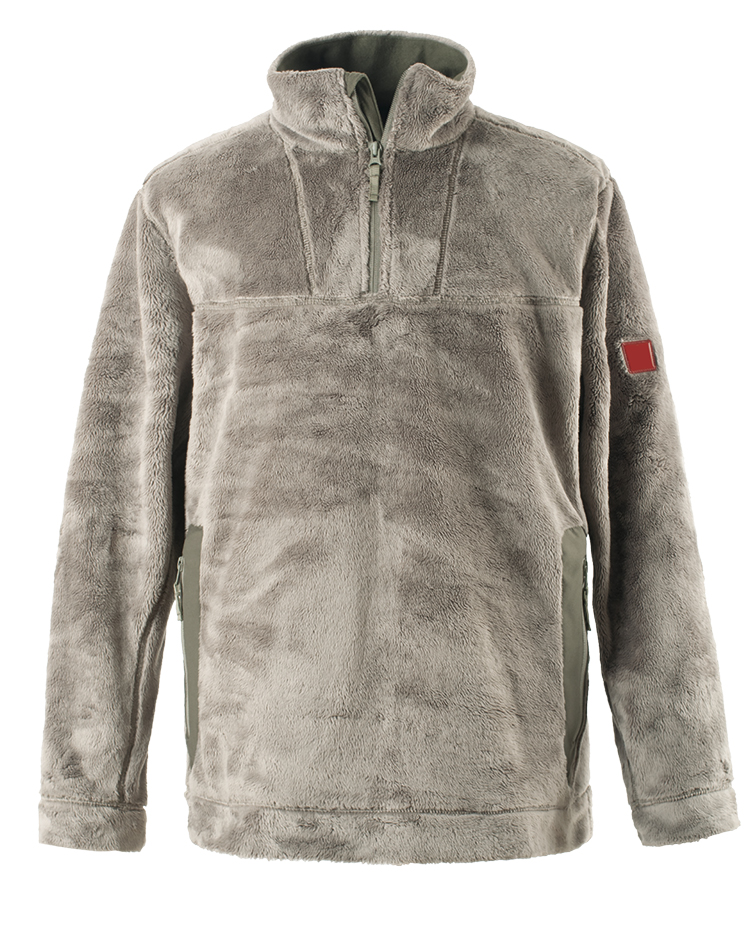
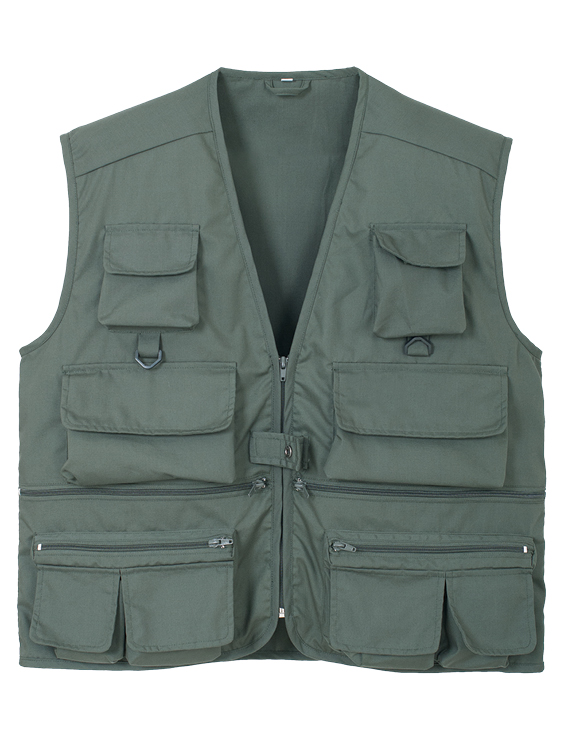
Utilizing a specialized hunting parka for field biologists and rangers tracking species in the Altiplano's freezing winds.

03. Logistics in the Wet Lowlands

Providing all weather overalls for transport workers moving goods between the Amazonian basin and the highlands during the rainy season.

04. Industrial Construction in La Paz

Supplying a mens waterproof insulated jacket to engineers working on urban infrastructure projects where sudden rain and cold are daily occurrences.

05. Remote Border Patrol

Equipping security personnel with integrated weather-shielding systems that offer both stealth and thermal protection for long-duration patrols.

Brand Story

Global Development Journey of Shijiazhuang Deming Garment Co., Ltd.

Foundation and Precision

Started as a dedicated weaving facility focusing on high-density fabrics, mastering the art of durable woven construction.

Technical Innovation

Expanded into technical outerwear, integrating waterproof membranes and thermal linings to solve extreme weather challenges.

Global Market Expansion

Successfully exported high-performance gear to South America, adapting designs to fit the specific needs of Andean climates.

Quality Certification

Achieved international standards for industrial safety and durability, becoming a trusted partner for global B2B procurement.

Future-Proofing Textiles

Currently investing in sustainable, recycled fibers to lead the transition toward green industrial manufacturing.

Complete Technical Apparel Suite for Bolivia

A comprehensive range of woven solutions from industrial visibility to extreme thermal protection.

Bolivian Market Technical FAQ

Expert answers to common queries regarding high-altitude protective clothing.

What is the best material for a mens waterproof insulated jacket in La Paz?

For the altitude of La Paz, we recommend a 3-layer construction: a windproof ripstop outer shell, a breathable waterproof membrane, and a high-loft synthetic insulation layer to trap heat effectively.

How does your workwear high vis gear perform in mining environments?

Our high-visibility gear uses industrial-grade reflective strips that maintain luminosity even when covered in dust, paired with abrasion-resistant fabric to prevent tears against rock walls.

Are all weather overalls suitable for the Bolivian rainy season?

Yes, our overalls feature sealed seams and hydrophobic coatings, ensuring the wearer remains dry during heavy precipitation while allowing internal moisture to escape.

What makes a hunting parka effective for the Altiplano region?

The Altiplano requires extreme wind-blocking capabilities. Our parkas use a high-density weave that prevents wind penetration and includes oversized thermal hoods for facial protection.

Can a parka jacket be customized for Bolivian corporate branding?

Absolutely. We offer high-precision embroidery and heat-transfer printing that does not compromise the waterproof integrity of the jacket's outer shell.

How do I maintain the waterproofness of my insulated workwear?

We recommend washing with specialized technical detergents and avoiding fabric softeners, which can clog the pores of the breathable membrane.

Partner with Technical Textile Experts

Ready to upgrade your industrial safety gear? Contact our specialists for customized solutions tailored to the unique environment of Bolivia.

Contact Us Now
0086-311-8708 8006 garment@dellee.net 0086-311-8708 8006 f_btn4

If you are interested in our products, you can choose to leave your information here, and we will be in touch with you shortly.