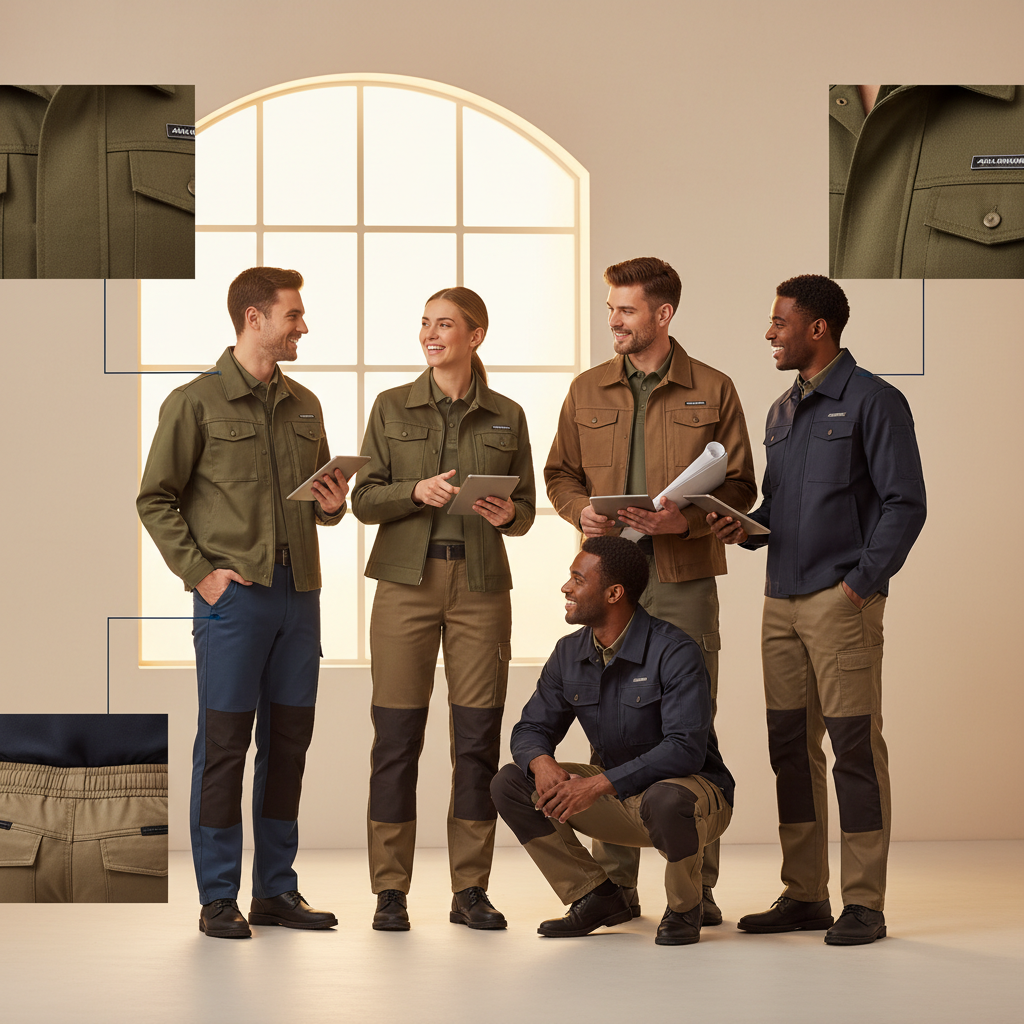
When operating in high-risk industrial environments or low-light outdoor settings, the primary challenge for safety managers is ensuring that personnel remain visible without sacrificing the functional utility of their workwear. Standard safety gear often fails to balance the need for high-contrast visibility with the physical demands of rigorous manual labor or extreme weather conditions. This gap leads to a critical need for specialized equipment that integrates safety certifications with ergonomic design.
The integration of customized high visibility clothing into a comprehensive safety program allows organizations to tailor garments to specific site hazards and climate requirements. Whether it is integrating moisture-wicking fabrics for tropical sites or adding thermal insulation for winter operations, the versatility of professional workwear determines the overall efficiency and safety of the workforce. This is particularly relevant when coordinating diverse product lines including Rain Wear, Winter Parkas, and Softshell gear.
Understanding the technical nuances of fabric selection and reflective placement is essential for any procurement officer. This guide analyzes the critical factors that determine the performance of customized high visibility clothing, moving beyond simple color choices to explore durability, material science, and the practicalities of large-scale manufacturing for global safety standards.


High visibility clothing is engineered using a combination of fluorescent background materials and retro-reflective tapes. The fluorescent colors, typically neon yellow or orange, provide contrast against the environment during daylight hours, while the reflective strips return light from sources like vehicle headlights back to the driver, ensuring visibility in complete darkness. This dual-mechanism approach is the cornerstone of the "Securite Series" and other professional protective clothing lines.
The architecture of these garments depends heavily on the weave of the fabric. In woven clothing manufacturing, the choice between a lightweight polyester for summer and a heavy-duty blend for winter parkas affects not only the thermal properties but also how the reflective tapes adhere to the surface. Proper construction ensures that the visibility elements do not crack or peel under the stress of repeated industrial laundering and physical abrasion.
The efficacy of safety apparel is determined by several interdependent factors. First, material breathability is paramount; a garment that causes overheating will be discarded or modified by workers, compromising the safety protocol. Utilizing advanced knit fabrics or light padding in specific zones allows for thermal regulation while maintaining the required outer shell for visibility and protection.
Durability is the second critical factor. In environments involving heavy machinery or rough terrain, abrasion-resistant panels are necessary. The quality of reinforced stitching at stress points prevents premature failure of the garment, which is essential for maintaining a consistent safety standard across a large workforce. This is why professional manufacturers focus on the integrity of the seam and the weight of the fabric, such as high-GSM twills.
Finally, the precision of the customized fit impacts both comfort and safety. Baggy clothing can become a snag hazard around moving parts, while overly tight gear restricts movement during active pursuits or emergency responses. Articulated shoulders and contoured sleeves are design choices that ensure the wearer can perform their tasks without the garment hindering their range of motion.
Customization provides operational value by aligning the gear with the specific risk profile of the job site. Rather than a one-size-fits-all approach, targeted customizations—such as adding waterproof windbreaker properties to high-visibility jackets—ensure that workers remain protected from the elements, which directly reduces downtime and illness-related absences.
The true value of customized high visibility clothing lies in its ability to integrate multi-functional protection into a single layer, reducing the need for bulky overlapping gear and thereby increasing worker agility and reducing fatigue in high-stress environments.
From a management perspective, customized branding and color-coding facilitate instant identification of roles and authority levels on site. When high-visibility gear is combined with specific design elements for different teams, it streamlines communication and enhances site security, ensuring that the right personnel are in the right zones during critical operations.
Different fabric compositions offer varying levels of performance depending on the environmental stressors. For instance, T/C Twill provides a balance of strength and comfort, making it suitable for general industrial use, whereas Specialized Fleece or Softshell materials are preferred for cold-weather outdoor applications where moisture management is as critical as visibility.
When evaluating materials, procurement teams often look at the trade-off between initial cost and lifecycle durability. While basic polyester is cost-effective for short-term projects, high-performance blends used in professional workwear offer a longer lifespan and maintain their fluorescent properties longer through repeated wash cycles.
In the construction and infrastructure sectors, high visibility clothing must be paired with ruggedness. Workers often face abrasion from concrete and steel, requiring garments with reinforced panels and high-denier fabrics. In these scenarios, the priority is a combination of high-contrast visibility and physical armor, often manifested as heavy-duty vests or coveralls.
Conversely, in logistics and warehouse management, the focus shifts toward ergonomics and temperature control. Breathable knit high-visibility shirts are more effective here, as they prevent heat stress in enclosed spaces while still providing the necessary visibility for forklift operations. The application of tailored pockets for scanners and communication devices further enhances the utility of the garment.
The evolution of safety wear is moving toward "intelligent" fabrics. We are seeing a transition from passive visibility (reflecting light) to active integration, where fabrics may eventually incorporate sensor technology to monitor worker health or environmental hazards. This progression is likely to be integrated into existing high-visibility frameworks to maintain safety compliance.
Sustainability is also becoming a primary driver in textile manufacturing. The industry is exploring recycled polyesters that maintain the same luminosity and strength as virgin materials. This allows companies to meet ESG goals without compromising the life-saving properties of their protective clothing.
Another plausible direction is the enhancement of moisture-barrier technologies. Integrating more efficient waterproof-breathable membranes into high-visibility parkas will allow workers in extreme rain or snow to remain dry and visible, reducing the risk of hypothermia and increasing operational uptime in inclement weather.
The most common failure point in high-visibility clothing is the degradation of the reflective tape and the fading of fluorescent dyes. This is often caused by UV exposure and harsh industrial chemicals. To mitigate this, manufacturers are utilizing colorfast dyes and heat-sealed tapes that are more resistant to peeling than traditional sewn-on strips.
Maintenance protocols also play a huge role in garment longevity. Improper washing—such as using bleach or high-heat drying—can destroy the retro-reflective beads. Educating the workforce on care instructions is as important as the quality of the garment itself to ensure the safety rating is maintained throughout the garment's life.
Selecting a supplier with established certifications, such as BSCI, ensures that the production process adheres to quality control standards. A professional manufacturer will provide consistent fabric weights and precise reflective placement, which are non-negotiable for meeting international safety regulations across different export markets.
| Material Type | Primary Use | Durability | Breathability |
|---|---|---|---|
| T/C Twill | Industrial/General | High | Moderate |
| Polyester Mesh | Summer/Logistics | Moderate | Very High |
| Softshell | Outdoor/Windy | High | Moderate |
| Polar Fleece | Cold Weather | Moderate | High |
| Heavy Canvas | Heavy Construction | Very High | Low |
| Nylon Ripstop | Specialized/Field | High | Moderate |
Fluorescent materials absorb UV light and emit it as visible light, making the wearer visible during the day. Reflective materials, however, reflect light from an external source (like headlights) back to the sender, which is essential for nighttime visibility. Effective safety clothing must combine both to provide 24-hour protection.
Selection should be based on the operating environment. For high-heat areas, choose breathable knits or mesh. For abrasive industrial sites, T/C Twill or heavy canvas is preferred. For cold climates, integrated padding or polar fleece linings are necessary to maintain worker productivity and health.
Replacement is necessary once the reflective tapes lose their luster or the fluorescent color fades significantly. This typically depends on the wash frequency and UV exposure. Regular inspections are recommended to ensure that the garments still meet the required safety standards for the specific work environment.
Yes, high-visibility gear can be engineered as rainwear by using waterproof windbreaker fabrics or adding DWR (Durable Water Repellent) coatings. This is critical for outdoor workers who must remain visible during heavy rain or snow, as visibility is naturally reduced during such weather events.
Look for certifications like BSCI, which indicate a commitment to social compliance and quality management. Additionally, ensure the products meet the specific safety standards of your region, such as ANSI/ISEA in the USA or EN standards in Europe, to guarantee legal and safety compliance.
Customization such as adding company logos does not affect the safety rating as long as the reflective tape area and fluorescent background are not obstructed. Professional manufacturers ensure that branding is placed in non-critical zones to maintain full compliance with visibility standards.
The implementation of a professional high-visibility clothing strategy is a critical investment in workforce safety and operational efficiency. By moving beyond generic options and focusing on customized solutions that address specific environmental stressors—such as temperature, abrasion, and moisture—organizations can significantly reduce workplace accidents and improve worker comfort. The synergy between material science and ergonomic design is what separates basic apparel from true protective equipment.
For companies seeking a reliable partner in safety apparel, focusing on manufacturing experience and quality certifications is key. Exploring a diverse range of options, from winter parkas to specialized rainwear, ensures a comprehensive safety solution for all seasons. To learn more about professional workwear specifications and customization options, you may visit www.delleecloth.com for expert guidance and product support.


Hit enter to search or ESC to close