Dear customers and friends:
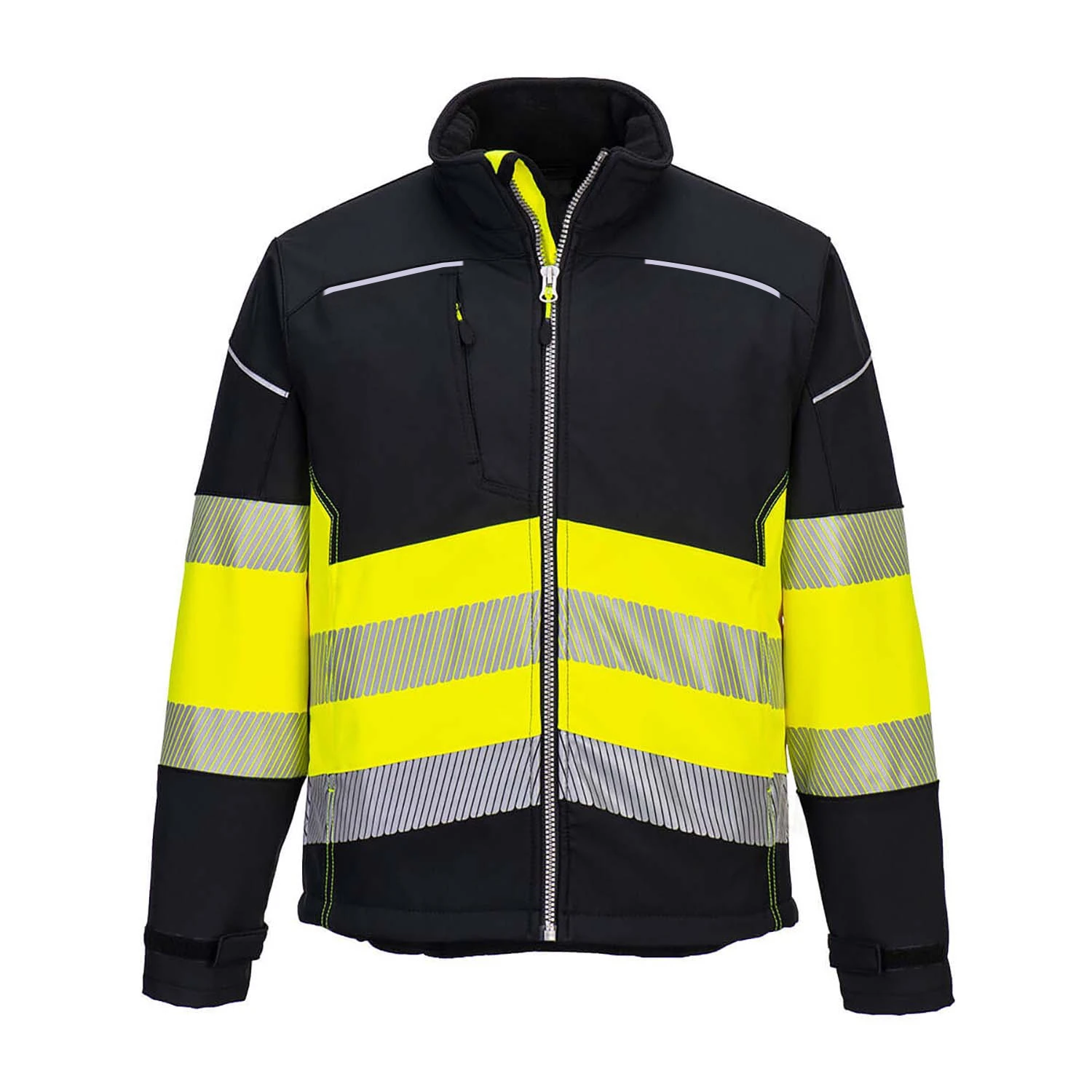
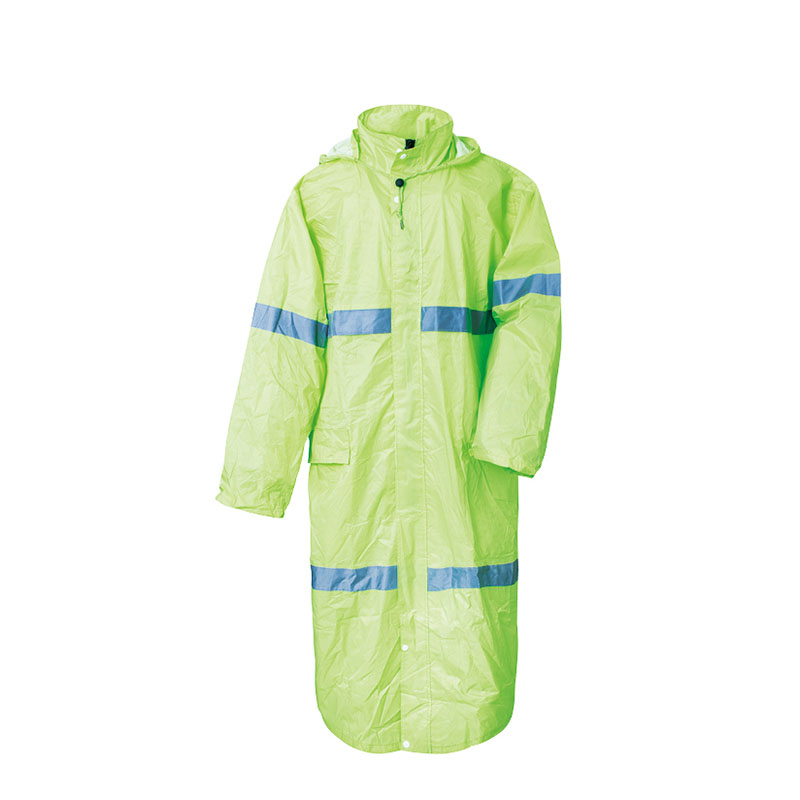
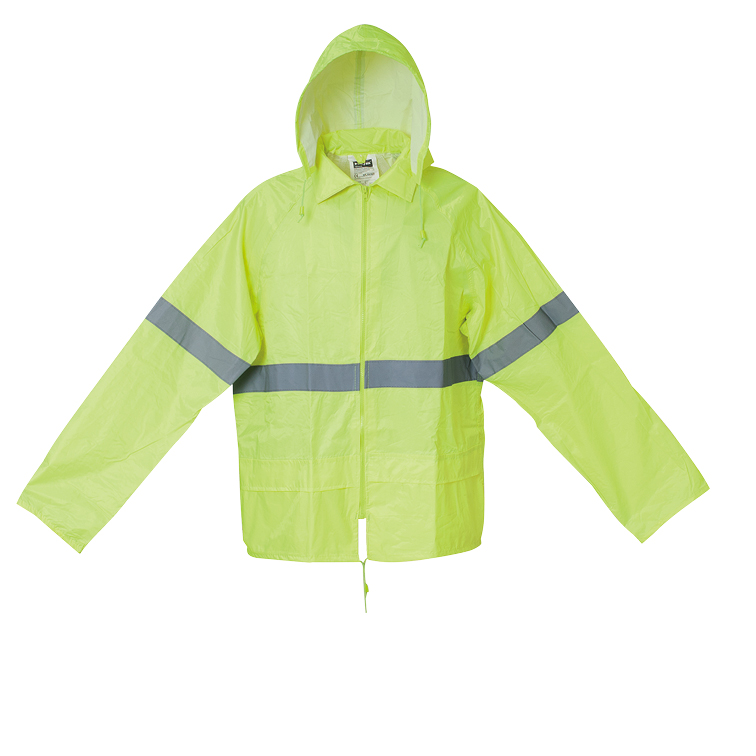
Optimizing the optical performance of reflective waistcoats requires a precise balance between the retro-reflective coefficient (Ra) of the tape and the spectral luminance of the background fabric. In accordance with EN ISO 20471, the durability of these components—measured through accelerated wash cycle testing—is the primary determinant of a garment's effective service life in industrial environments. This analysis examines the performance of reflective safety apparel under various lighting conditions and the technical necessity of dual-material integration.
1. The Physics of Visibility: Optical Mechanism Analysis
Fluorescent Material (Daytime Contrast)
Fluorescent fabrics—typically high-visibility yellow-green or orange-red—operate by absorbing invisible ultraviolet (UV) light from the sun and re-emitting it as longer-wave visible light through the excitation of pigment molecules. This process ensures the fabric maintains a higher luminance factor than non-fluorescent materials, particularly during "flat light" conditions such as fog, rain, or twilight.
Retro-Reflective Material (Nighttime Protection)
The silver-grey strips on reflective waistcoats utilize retro-reflection technology. Unlike diffuse reflection or specular reflection (mirrors), retro-reflective materials return incident light directly back toward the source, specifically the driver’s headlamp cone.
This is achieved through an optical matrix of thousands of microscopic glass beads or micro-prisms embedded in a specialized resin layer. The critical performance metric is the coefficient of retro-reflection (Ra). Professional-grade safety vests must maintain an Ra > 330 cd/(lx · m2) to ensure detection from distances exceeding 300 meters.
2. Technical Comparison: Performance at a Glance
| Performance Feature | Fluorescent Background | Reflective Strips (Retro-Reflective) |
|---|---|---|
| Primary Light Source | Natural Sunlight (UV Spectrum) | Artificial Light (Headlights/Flashlights) |
| Optimal Environment | Daytime, Fog, Heavy Overcast | Nighttime, Tunnels, Dim Warehouses |
| Material Composition | 100% Polyester Mesh or Solid Fabric | Glass Bead or Micro-Prismatic Film |
| Core Mechanism | Luminance via UV Absorption | Direct Light Return to Source |
3. Engineering Durability: Why Standard Waistcoats Fail
Structural failure in high-visibility apparel often occurs at the microscopic level before visible degradation. Many low-cost reflective waistcoats fail to meet EN ISO 20471 or ANSI/ISEA 107 benchmarks due to two primary technical deficiencies:
- Insufficient Bead Density: Budget-grade tapes utilize a lower concentration of glass beads per cm2, resulting in a scattered return of light that fails to provide sufficient contrast for drivers at high velocities.
- Accelerated Wash Degradation: Standard adhesives lose mechanical bond strength after 5-10 wash cycles. Dellee’s professional-grade reflective components are engineered to maintain certified retro-reflection levels for 25 to 50 industrial wash cycles, depending on specific technical requirements.
4. Selecting the Right Vest for Industrial Use Case Scenarios
Daytime Operations (Landscaping, Surveying, Civil Engineering)
Priority must be placed on the chromaticity coordinates and luminance factor of the fluorescent background. It is essential to verify that the material weight (e.g., 120gsm) is sufficient to resist color migration and fading under prolonged UV exposure.
Nighttime and Low-Light Operations (Road Construction, Logistics)
Retro-reflective strips are the critical safety component. For high-speed environments (roadways with limits > 60 km/h), a Class 2 or Class 3 reflective waistcoat with 360-degree reflective coverage is mandatory to provide sufficient driver reaction time.
Indoor Warehousing and Logistics
Since indoor artificial lighting lacks the UV component necessary for fluorescence, the high-contrast reflective tape becomes the primary safety interface, ensuring forklift operators can detect personnel in dim or obstructed aisles.
5. Technical Summary and Compliance Checklist
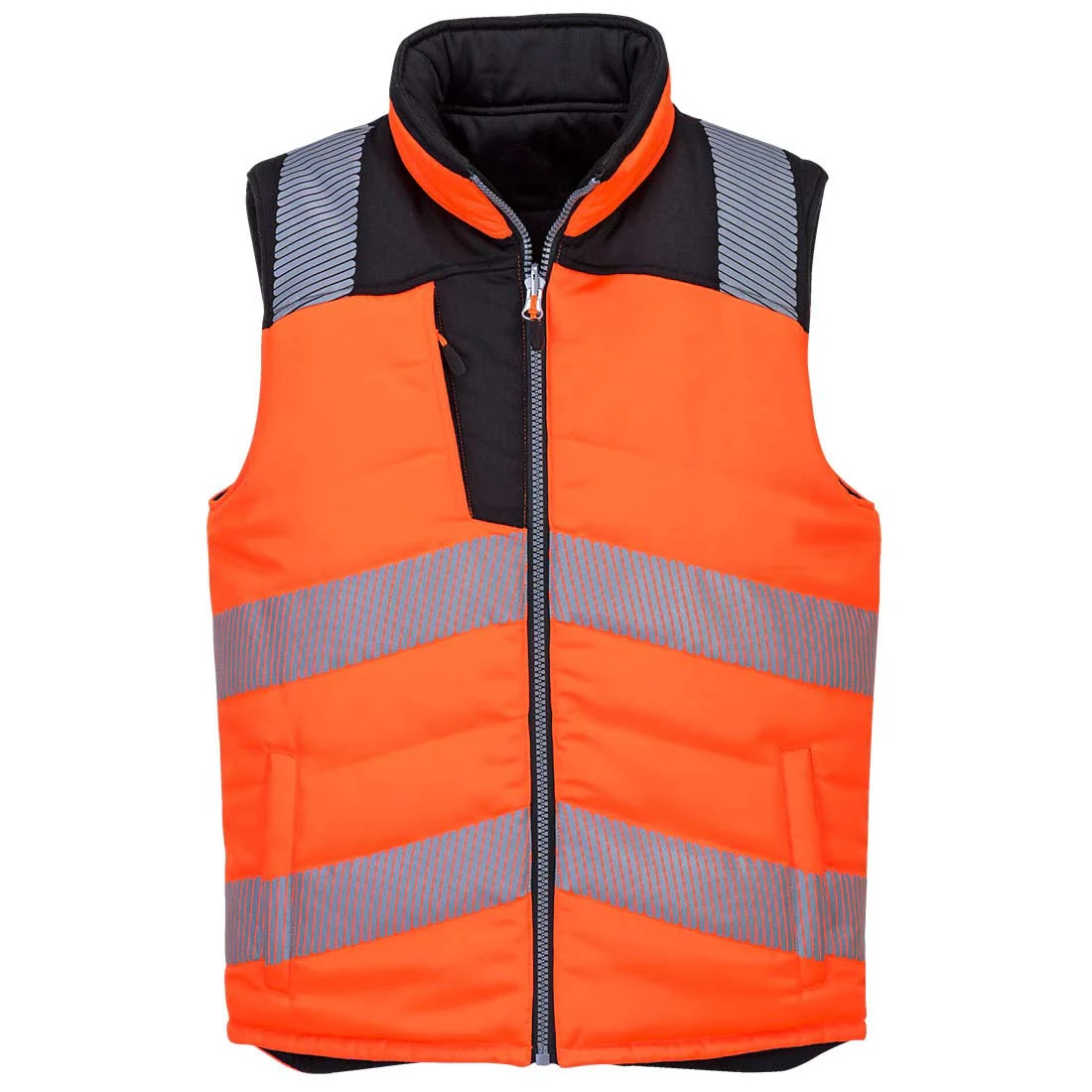
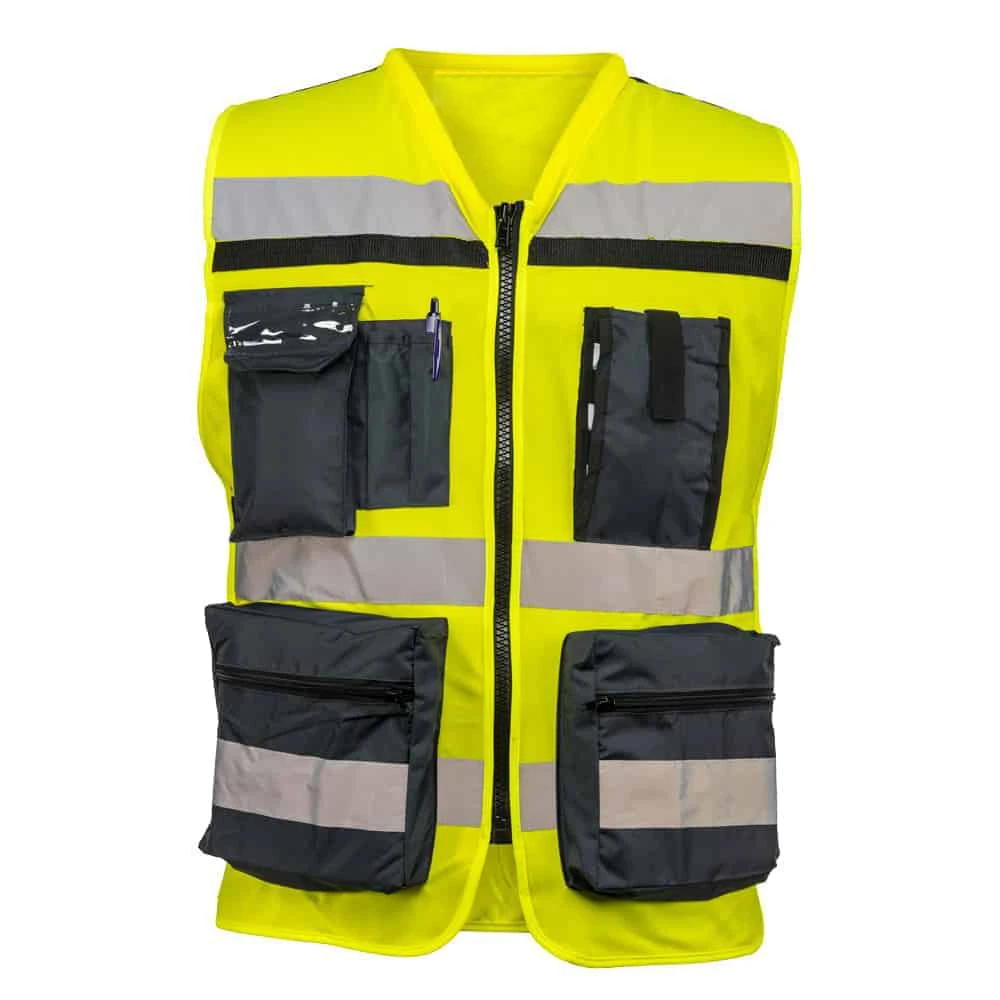
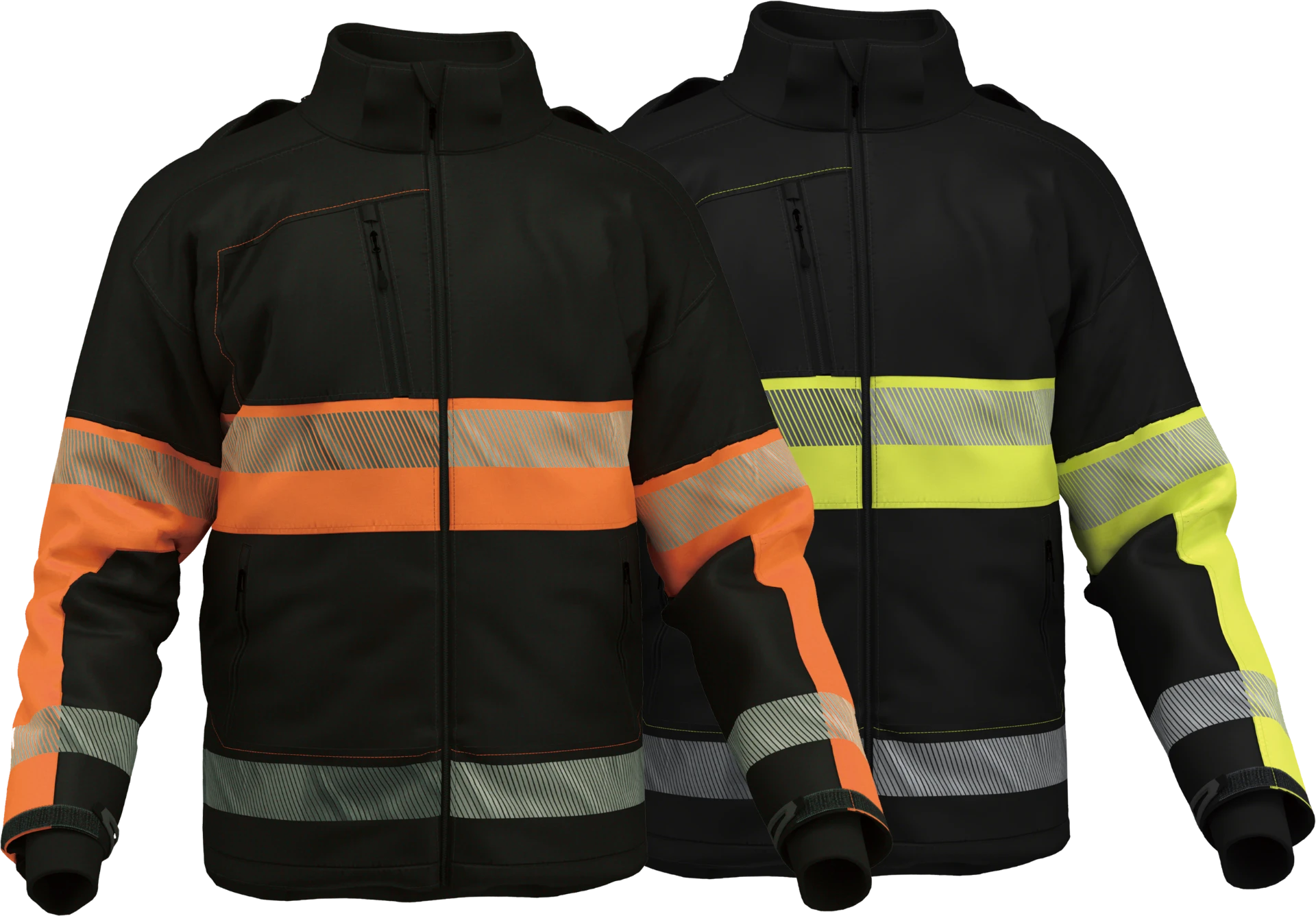
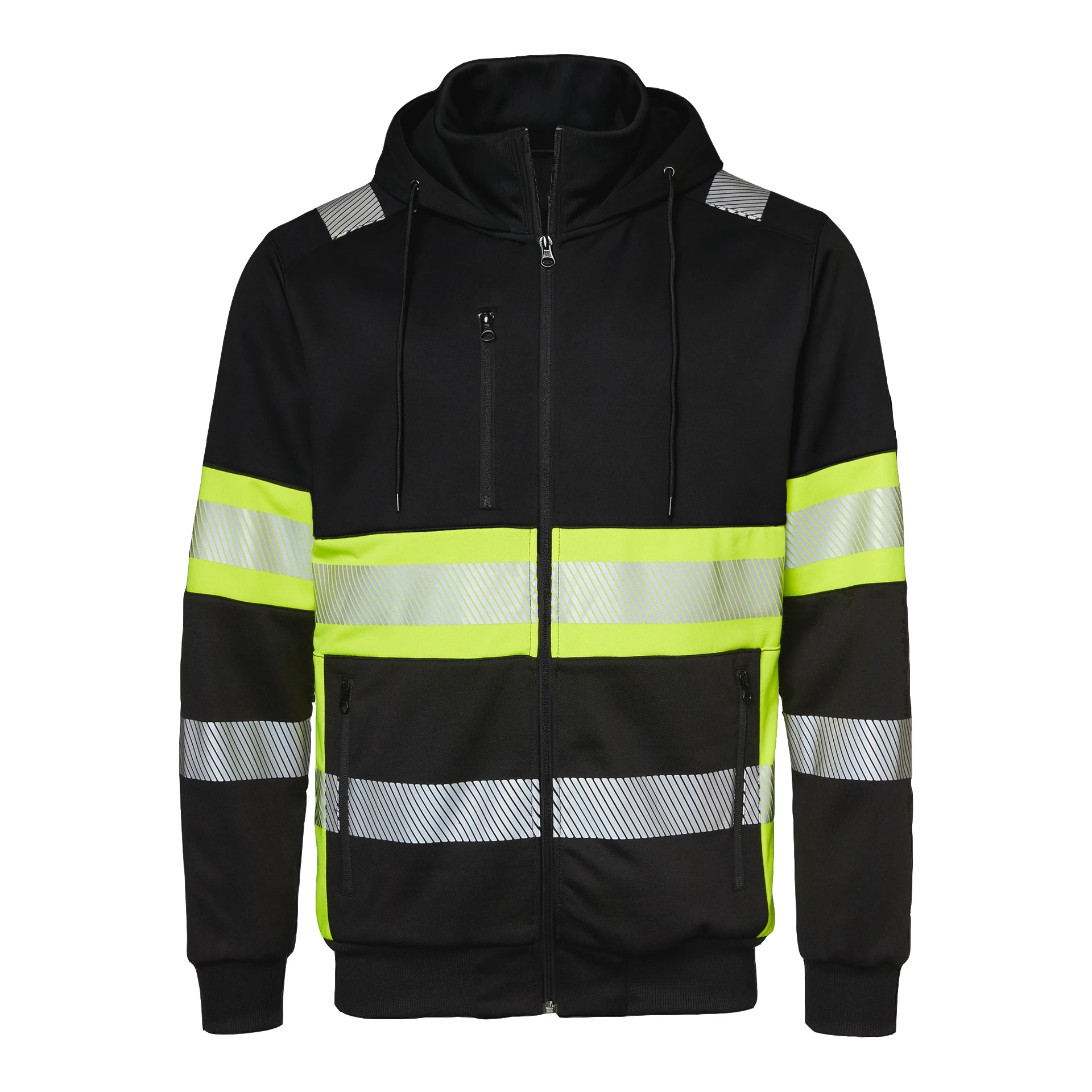
For 24-hour operational protection, the industry benchmark is a combined-performance garment. This system integrates a high-luminance fluorescent substrate with high-intensity retro-reflective strips to bridge the visibility gap between day and night.
- Certification: Verified compliance with EN ISO 20471 or ANSI/ISEA 107-2020.
- Tape Width: Reflective strips must be a minimum of 50mm in width.
- Photometric Class: Confirmation of Class 2 retro-reflection performance (Ra).
- Material Integrity: Resistance to perspiration, friction, and repeated industrial laundering.
As a specialized manufacturer, Dellee provides custom reflective waistcoats that exceed international safety benchmarks. Contact our technical engineering team for batch testing reports, photometric data, or custom prototype development based on specific industrial requirements.
Post time: Jan . 20, 2026 14:01