Dear customers and friends:
Choosing the Best Industrial Workwear Suppliers for Your Business
In the demanding world of manufacturing, construction, and logistics, the quality of protective clothing is not just about professionalism—it is about safety and efficiency. Finding reliable industrial workwear suppliers is critical for companies that aim to protect their workforce while maintaining high productivity. The right partner doesn't just provide garments; they provide engineered solutions that withstand harsh environments, chemical exposure, and physical wear. In this guide, we will explore the essential criteria for selecting a supplier and how high-quality workwear impacts your bottom line.
The Role of Quality in Industrial Gear
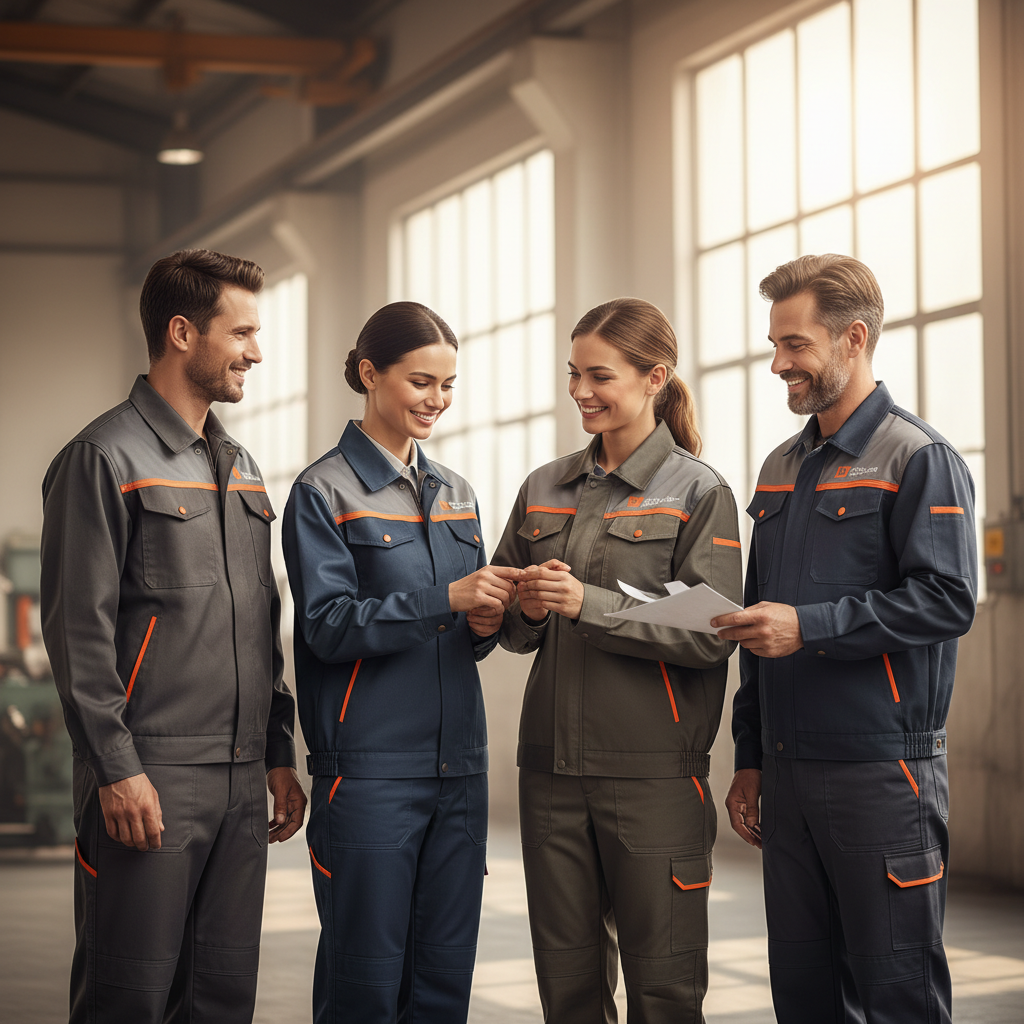
Quality industrial gear serves as the first line of defense against workplace hazards. From flame-resistant fabrics to reinforced stitching, every detail matters. When you partner with professional industrial workwear suppliers, you ensure that your team is wearing clothing that meets international safety standards (such as ISO or ANSI). Poorly made workwear often leads to premature wear and tear, increasing replacement costs and, more importantly, increasing the risk of on-site accidents. Investing in premium materials ensures longevity and employee confidence.
Industry Insight: High-performance workwear can reduce garment replacement frequency by up to 40%, significantly lowering the annual procurement budget for large-scale industrial operations.
Evaluating Industrial Workwear Suppliers: Key Criteria
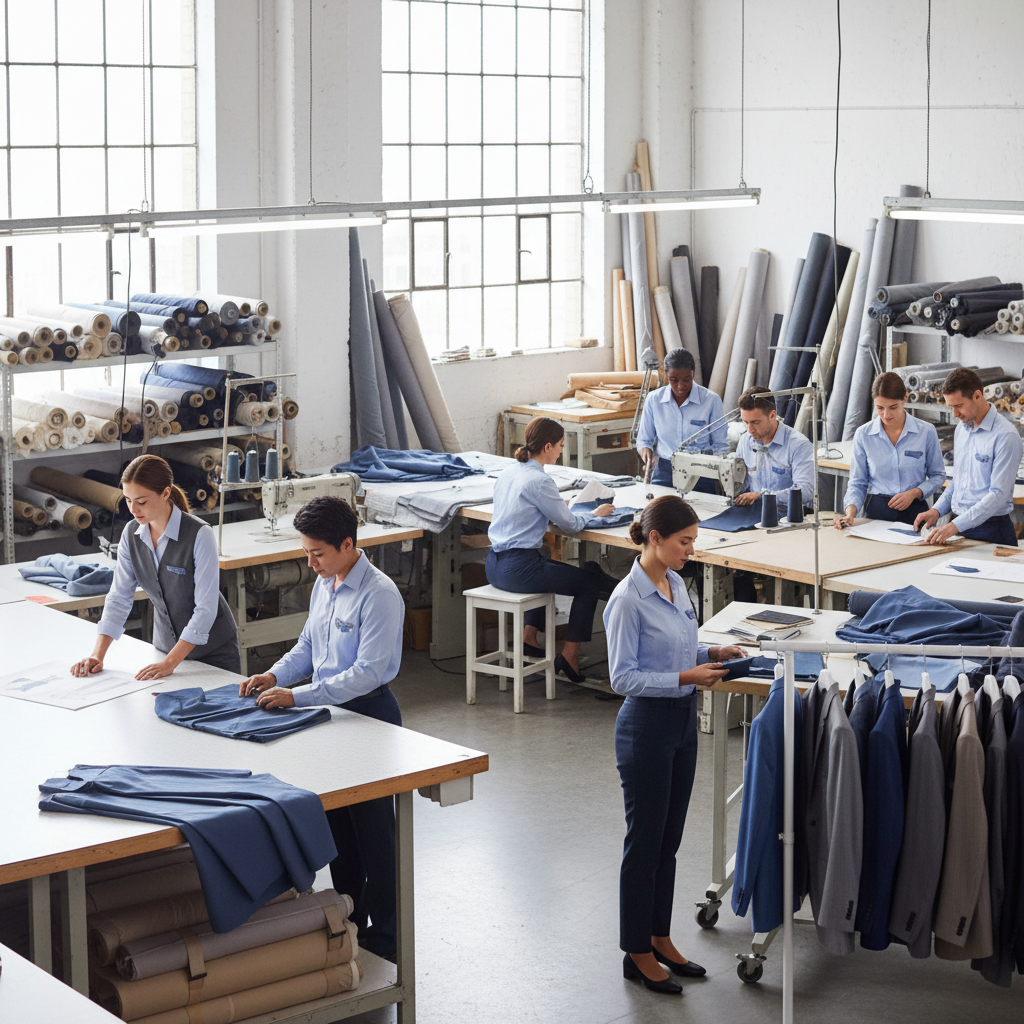
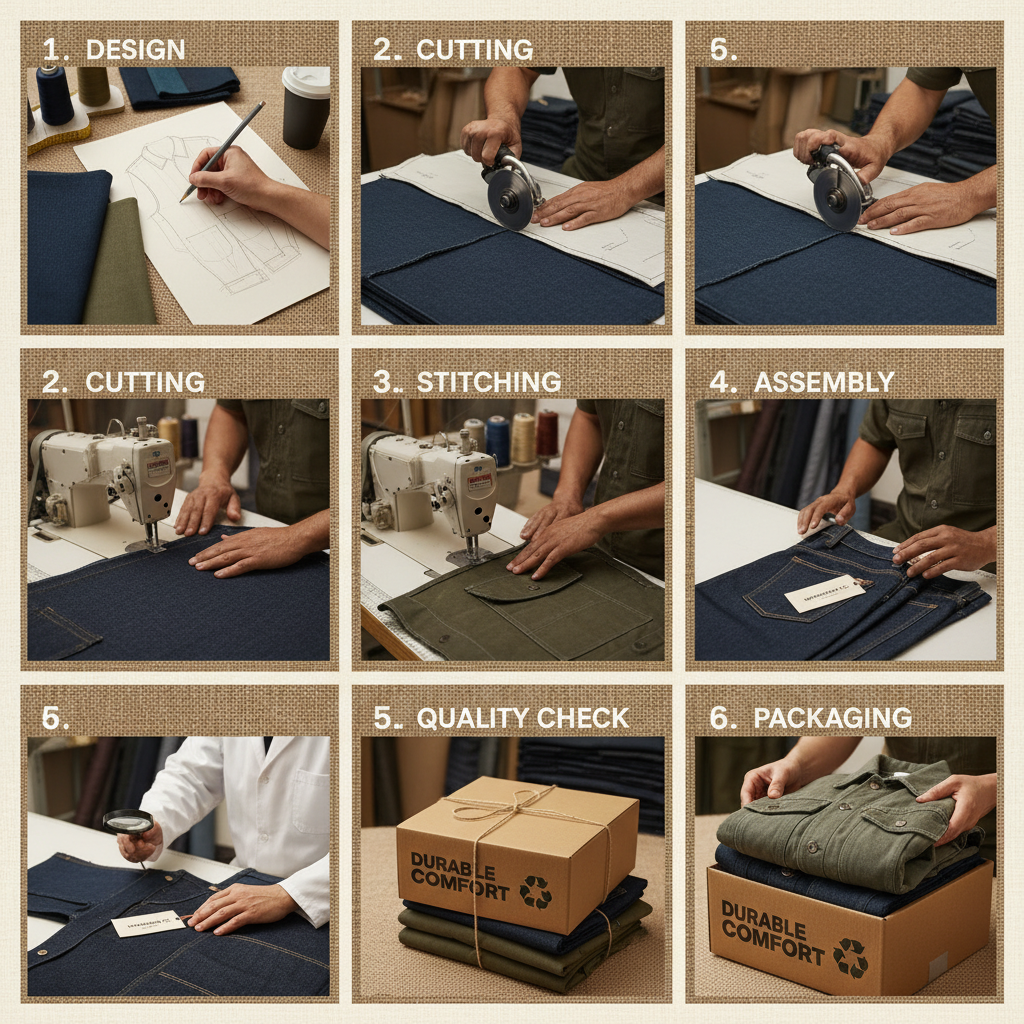
Not all suppliers are created equal. To ensure you receive the best value, you must look beyond the price tag. A top-tier supplier should offer customization options, scalable production capacities, and a transparent supply chain. Whether you need specialized anti-static jumpsuits or heavy-duty overalls, the ability of industrial workwear suppliers to tailor products to your specific environmental risks is a game-changer. Consider their lead times and their ability to maintain consistency across large batches of orders.
Comparing Workwear Material Performance
Different industries require different fabric properties. While a warehouse worker needs breathability, a welder needs heat resistance. Understanding the technical specifications provided by your industrial workwear suppliers allows you to make an informed decision. Below is a comparison of the most common materials used in professional industrial clothing to help you identify the right fit for your team.
Customization Services from Top Industrial Workwear Suppliers
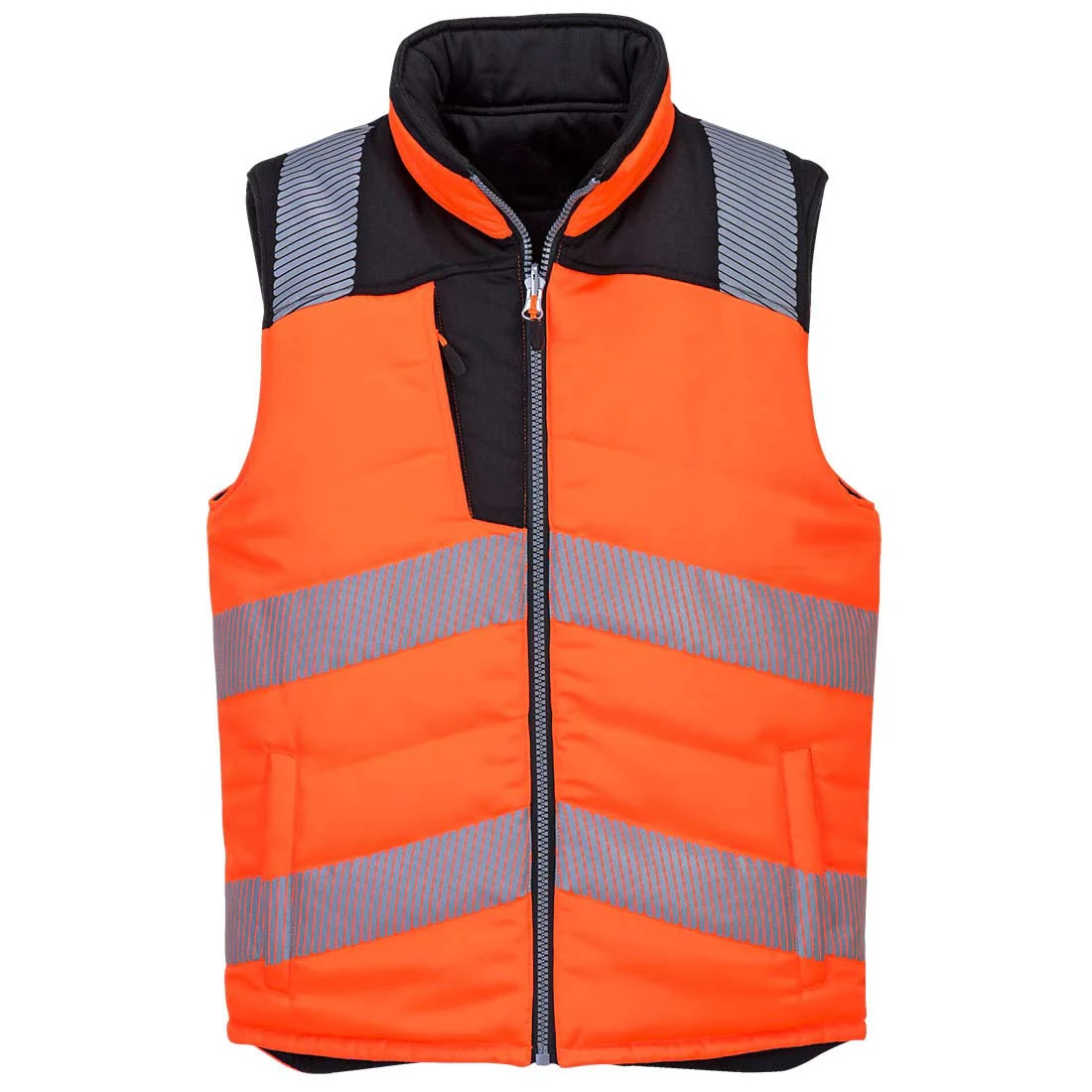
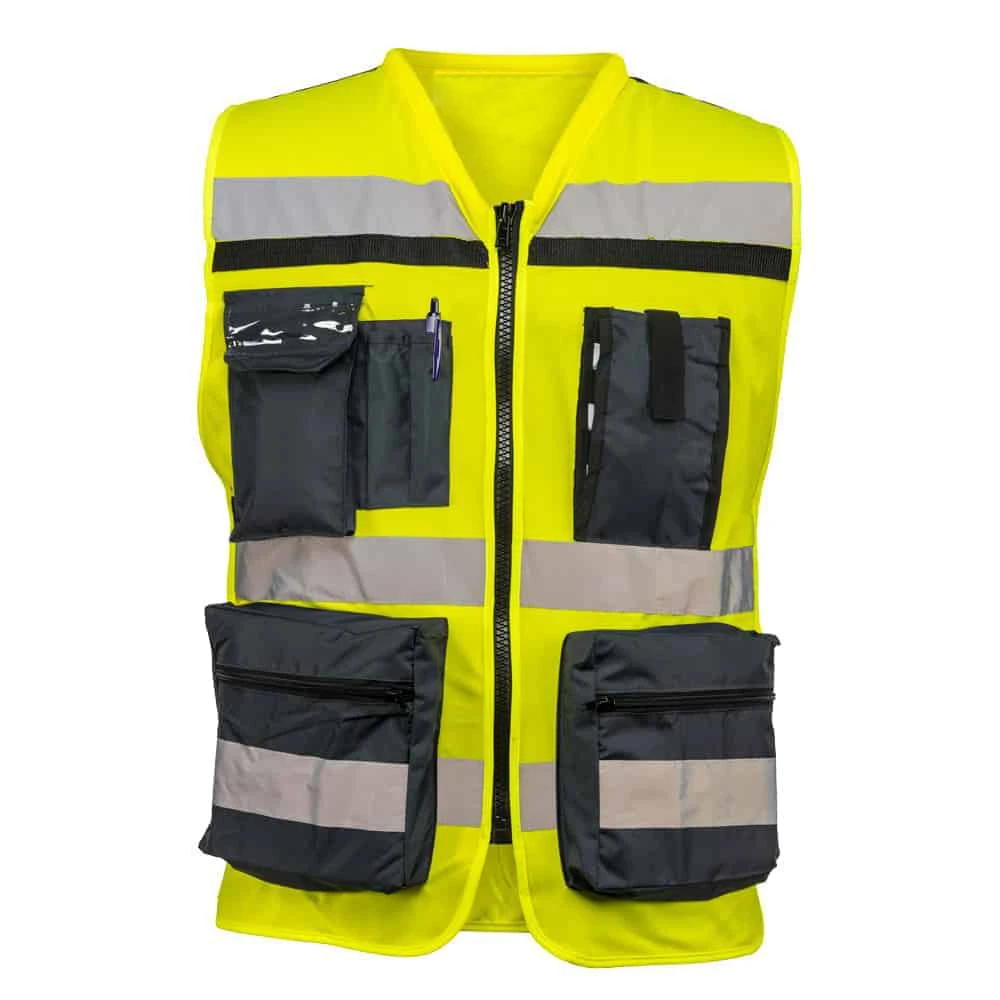
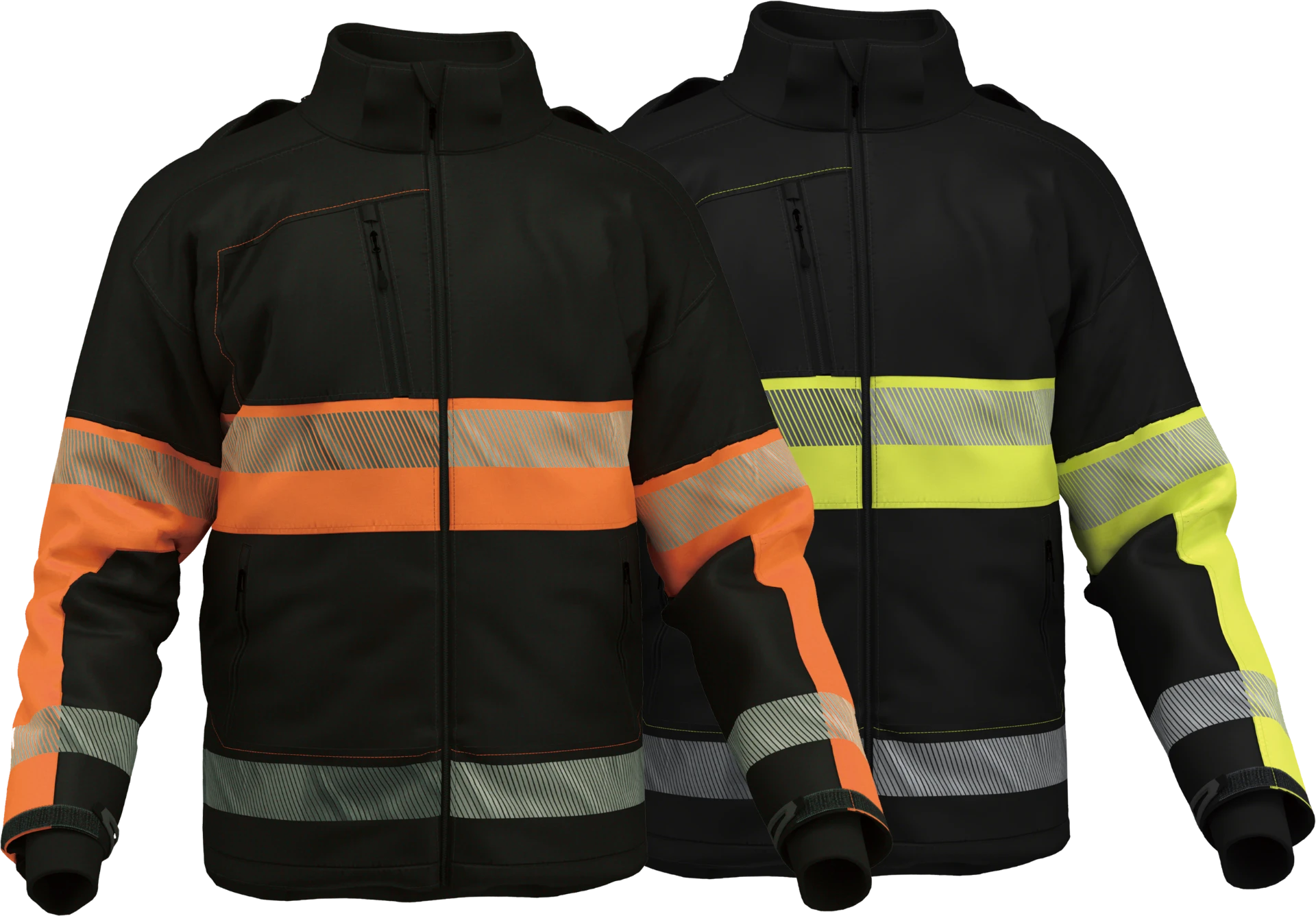
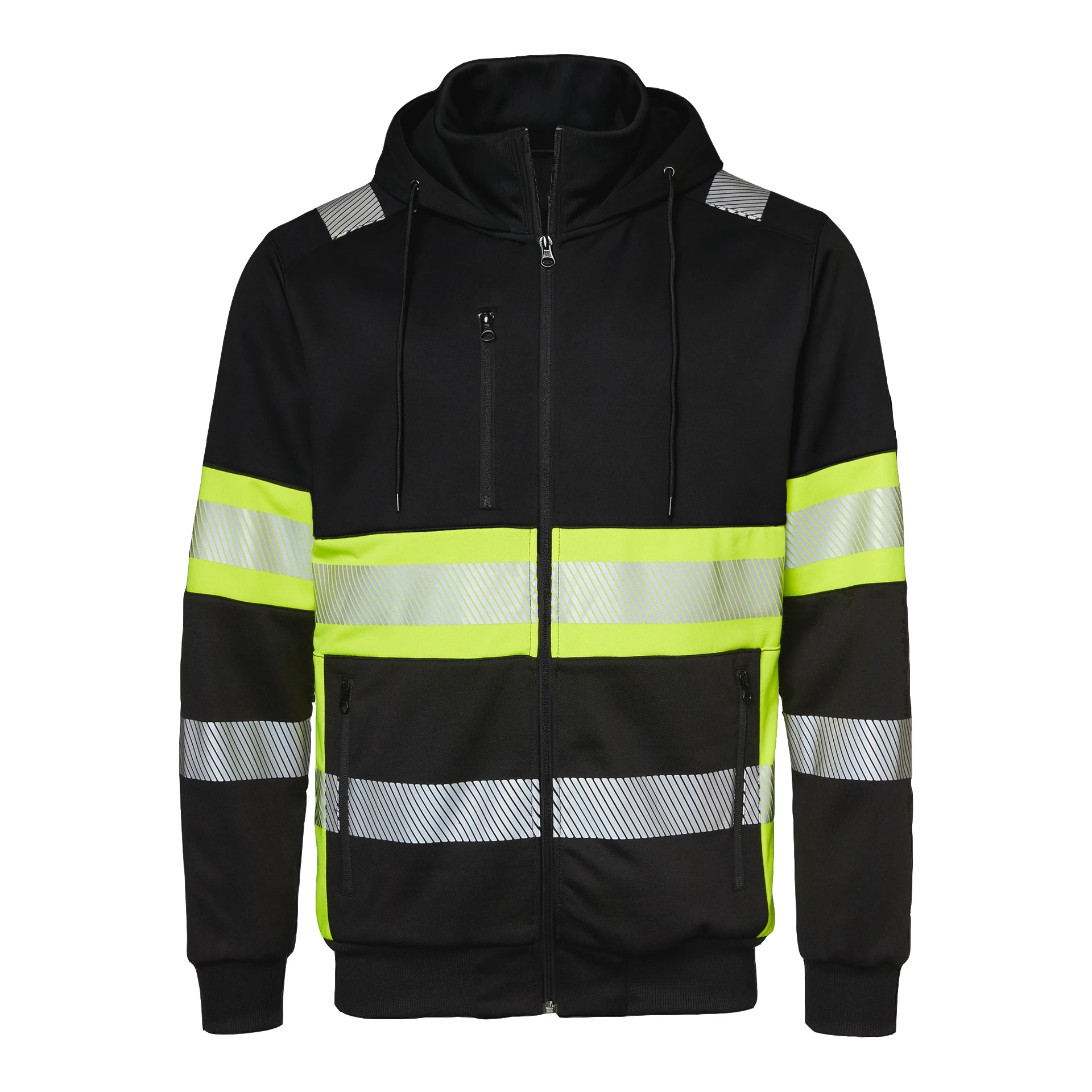
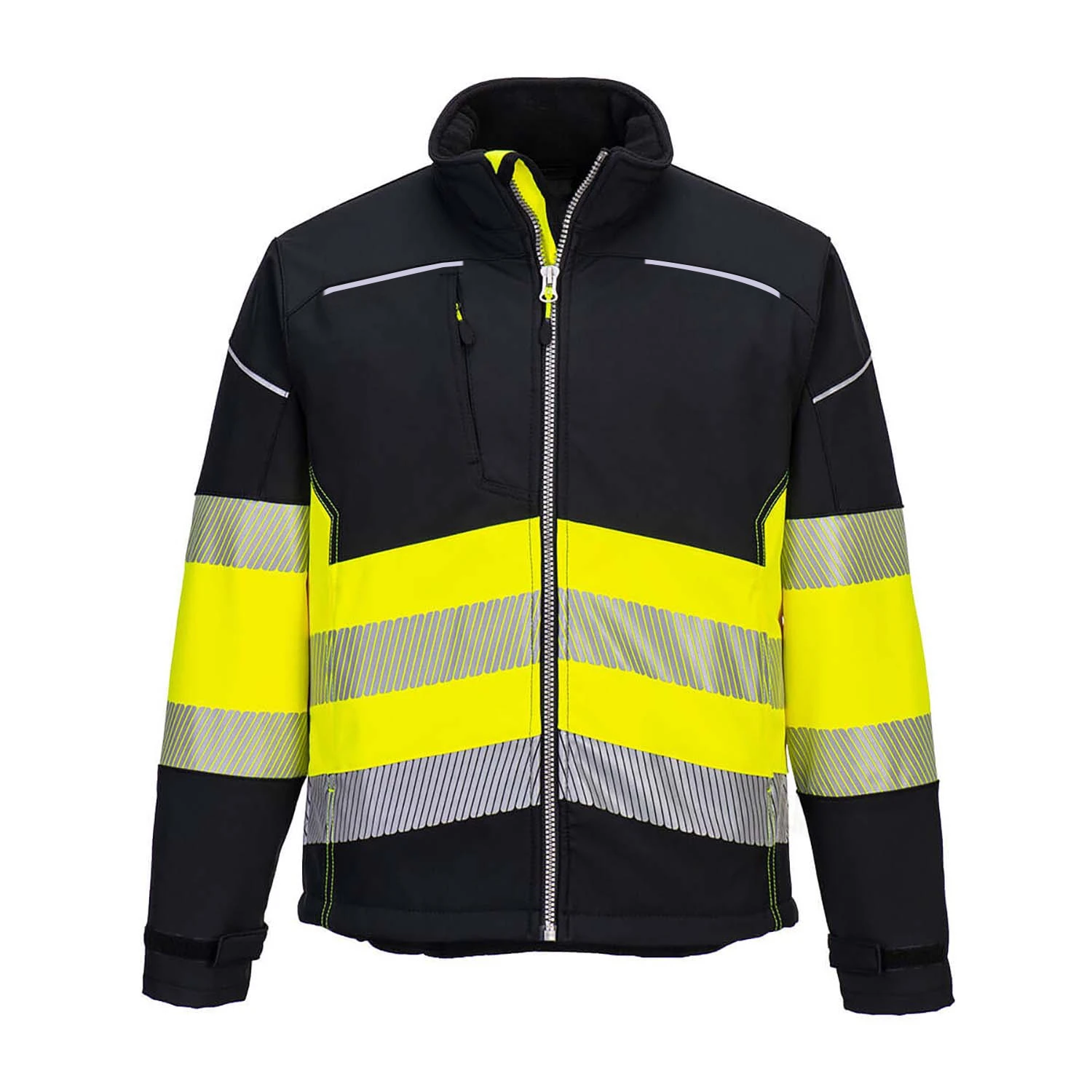
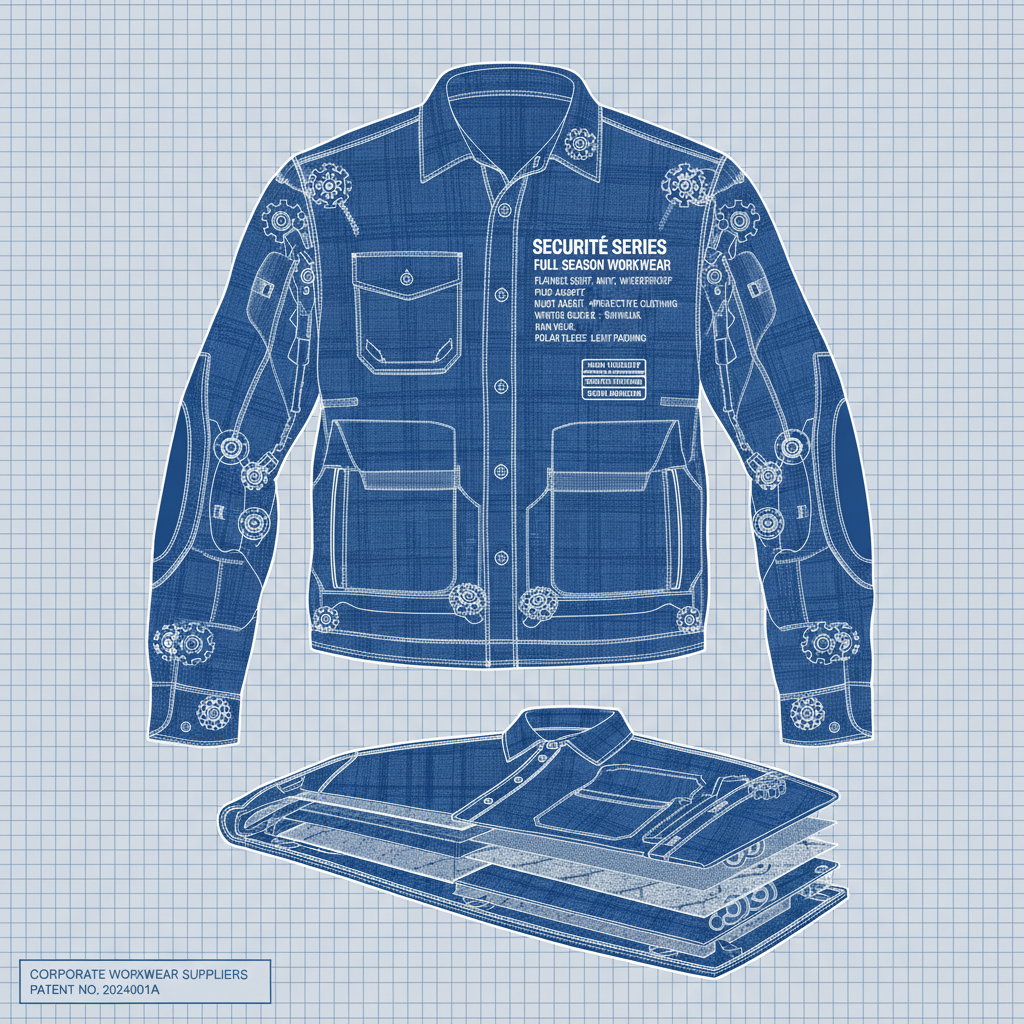
Branding is a powerful tool for corporate identity and security. Leading industrial workwear suppliers offer various customization techniques, including industrial-grade embroidery, screen printing, and heat transfer. However, customization isn't just about logos; it's about functional design. This includes adding extra tool pockets, reinforced knee pads, or high-visibility reflective strips. By working with a supplier that understands the ergonomics of work, you can improve the daily comfort and safety of your employees.
Sustainability and Ethical Sourcing in Workwear
Modern procurement strategies now emphasize sustainability. Companies are increasingly looking for industrial workwear suppliers who utilize recycled polyester or organic cotton. Ethical sourcing ensures that the garments are produced in factories that provide fair wages and safe working conditions. Choosing a sustainable supplier not only reduces your company's carbon footprint but also enhances your brand image among clients and stakeholders who value corporate social responsibility (CSR).
Sustainability Checklist:
• Does the supplier use GRS (Global Recycled Standard) certified fabrics?
• Are the dyes used non-toxic and eco-friendly?
• Is there a program for recycling old uniforms?
• Do they provide transparency regarding their factory audits?
Conclusion: Partnering for Long-Term Success
Selecting the right industrial workwear suppliers is a strategic decision that impacts both safety and operational costs. By prioritizing material quality, customization capabilities, and ethical production, you can equip your workforce with gear that lasts longer and performs better. A strong partnership with a dedicated supplier ensures that your team remains protected, comfortable, and professional, regardless of the challenges they face on the job. Choose quality, choose safety, and choose a partner who understands your industry's unique needs.
Frequently Asked Questions (FAQs)
How do I determine the correct fabric for my industry?
Determining the right fabric starts with a risk assessment of your work environment. If your employees deal with sparks or open flames, flame-resistant (FR) materials like Nomex are essential. For those in wet or oily environments, water-repellent coatings on nylon are preferred. For general manufacturing, a poly-cotton blend provides the best balance of durability and breathability. We recommend consulting with your industrial workwear suppliers to get samples and conduct a wear-test before placing a bulk order.
What is the average lead time for custom industrial workwear?
Lead times vary depending on the complexity of the customization and the order volume. Typically, standard garments with simple logo embroidery may take 2 to 4 weeks. However, fully customized designs requiring specific fabric sourcing or complex technical specifications can take 6 to 10 weeks. To avoid operational delays, it is best to establish a relationship with your suppliers early and maintain a small buffer stock of uniforms for new hires.
Can industrial workwear suppliers help with sizing for a large workforce?
Yes, professional suppliers typically provide comprehensive size charts and "sizing kits" (sets of sample garments in various sizes). This allows employees to try on the clothing to ensure a perfect fit, which is crucial for safety—clothing that is too loose can get caught in machinery, while clothing that is too tight restricts movement. Many suppliers also offer a range of fits, including slim, regular, and plus sizes, to accommodate a diverse workforce.
How often should industrial workwear be replaced?
Replacement frequency depends on the intensity of the work. In high-wear environments like construction, some items may need replacing every 6 months. For general factory work, an annual replacement is common. However, safety gear must be replaced immediately if it shows signs of compromise, such as thinning fabric, holes, or lost flame-retardant properties after too many washes. Regular audits by safety managers are recommended to ensure all gear remains compliant.
Post time: Apr . 16, 2026 03:08