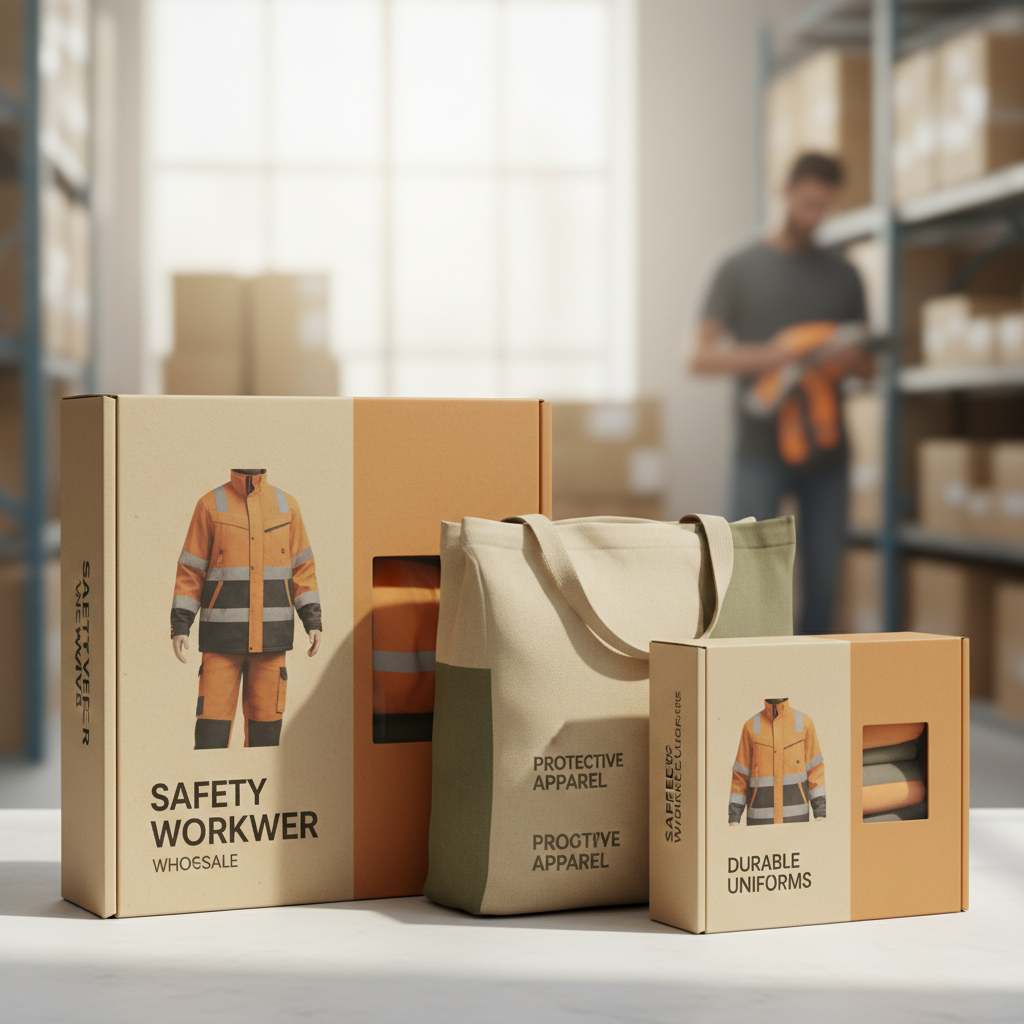
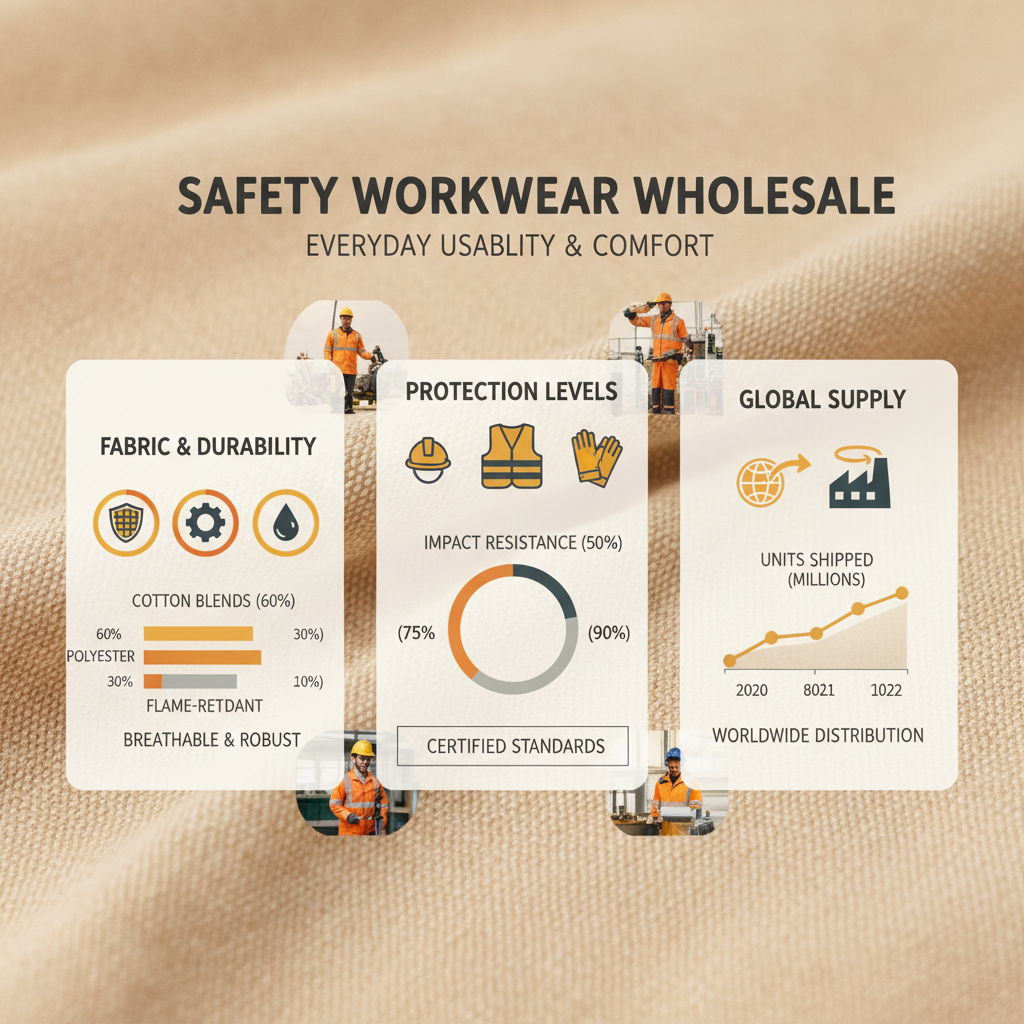
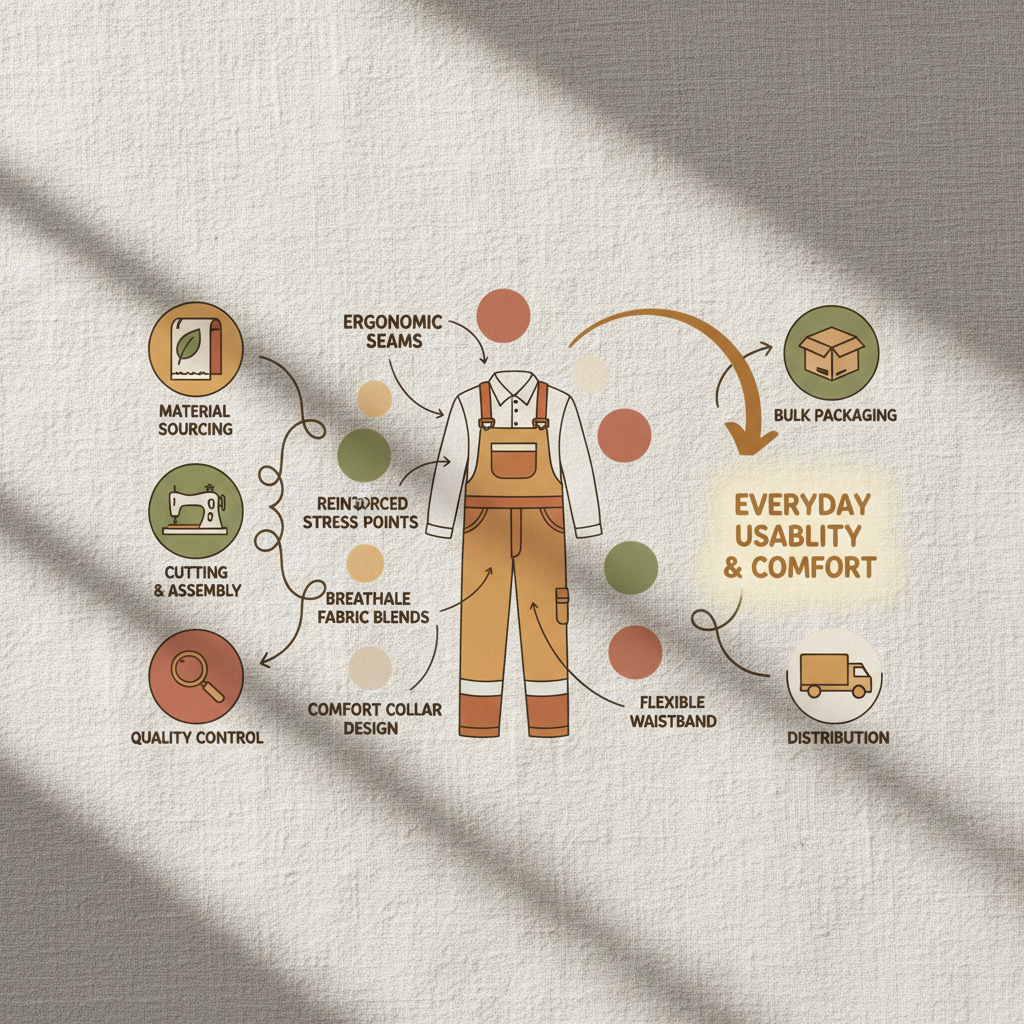
In the modern industrial landscape, the procurement of high-quality protective gear is no longer just a compliance checkbox but a strategic operational necessity. Engaging in safety workwear wholesale allows enterprises to standardize their safety protocols across large workforces, ensuring that every technician, engineer, and floor worker is shielded from workplace hazards with consistent, certified equipment.
The global demand for specialized apparel has surged as industries migrate toward stricter ISO and OSHA standards. By leveraging wholesale channels, companies can access a diverse array of protections—from flame-resistant fabrics to high-visibility garments—without the prohibitive costs of boutique retail, effectively bridging the gap between budget constraints and worker safety.
Understanding the nuances of the safety workwear wholesale market is essential for procurement officers and business owners who aim to optimize their supply chain. This guide explores the critical components of industrial apparel, the benefits of bulk acquisition, and the emerging trends in textile technology that are redefining how we protect the global workforce.
Global Industry Context of Safety Workwear Wholesale
The global industrial safety market is currently experiencing a paradigm shift, driven by an increase in infrastructure projects and a heightened awareness of occupational health. As emerging economies expand their manufacturing bases, the reliance on safety workwear wholesale has become critical to meet the sheer volume of demand while maintaining strict adherence to international safety norms such as EN ISO 20471.
Statistically, industries that implement standardized, high-quality protective clothing see a significant reduction in workplace accidents and insurance premiums. The challenge lies in sourcing materials that are not only durable and protective but also breathable and ergonomic, ensuring that workers do not sacrifice comfort for safety, which can often lead to non-compliance on the job site.
Defining the Scope of Industrial Safety Apparel
At its core, safety workwear wholesale refers to the large-scale distribution of garments designed to protect the wearer from specific environmental risks. This encompasses a wide spectrum of products, ranging from High Visibility vests for roadside workers and Waterproof Windbreakers for marine engineers to specialized Winter Parkas for arctic exploration and flame-retardant clothing for the oil and gas sector.
Beyond simple fabric, this industry integrates advanced textile engineering. Modern safety gear is designed to provide a barrier against chemical splashes, thermal extremes, and mechanical abrasions. The "wholesale" aspect ensures that these technical specifications are applied uniformly across thousands of units, eliminating the risk of variability that often occurs with fragmented, small-batch sourcing.
Ultimately, the goal of wholesale safety apparel is the democratization of protection. By optimizing the manufacturing process—from raw knit fabrics to finished Pilot Jackets—suppliers can provide enterprise-grade protection to a wider range of organizations, including small-to-medium enterprises (SMEs) and non-profit humanitarian agencies operating in hazardous zones.
Key Factors for Selecting Wholesale Workwear
When evaluating partners for safety workwear wholesale, durability is the paramount metric. Industrial garments must withstand repetitive laundering and extreme physical stress without losing their protective properties. This requires a deep understanding of fabric blends, such as the balance between polyester for strength and cotton for comfort.
Scalability and consistency are equally vital. A wholesale supplier must be able to provide the same grade of Softshell & Polar fleece or Protective Clothing whether the order is for 500 or 50,000 units. Inconsistent fabric weights or differing shades of high-visibility neon can lead to safety breaches and professional branding failures.
Cost-efficiency should be viewed through the lens of "Total Cost of Ownership" (TCO). While the initial price point of safety workwear wholesale is lower than retail, the real value lies in the garment's lifespan. A cheaper jacket that needs replacing every three months is more expensive than a premium Winter Vest that lasts for two years.
Global Applications and Sector Use Cases
The application of safety workwear wholesale spans nearly every physical industry. In the construction sector of North America, high-visibility gear is a legal mandate, requiring massive volumes of neon-colored apparel that can withstand abrasive concrete and steel environments. Similarly, in the mining regions of South America, specialized heavy-duty trousers and reinforced jackets are deployed to protect workers from rocky terrain and temperature fluctuations.
Beyond heavy industry, these solutions are critical in emergency response. During post-disaster relief operations, NGOs often procure waterproof rain wear and thermal layers in bulk to protect volunteers from hypothermia and moisture-related illnesses. The ability to deploy these garments rapidly across a wide geographical area is only possible through a robust wholesale supply chain.
Performance Comparison of Safety Workwear Wholesale Categories
Long-Term Value and Economic Advantages
Investing in safety workwear wholesale provides a dual benefit: immediate cost reduction and long-term risk mitigation. By consolidating orders, companies can negotiate better terms and ensure a steady pipeline of replacements, avoiding the "panic buying" that occurs when safety gear fails unexpectedly.
Moreover, there is a significant psychological impact on the workforce. When employees are provided with high-quality, professional-grade gear—such as well-fitted Flannel Shirts for light work or robust Securite Series jackets for high-risk tasks—it fosters a culture of value and trust. Workers feel that their safety is a priority, which directly correlates to higher productivity and lower staff turnover.
Future Innovations in Protective Textiles
The future of safety workwear wholesale is being shaped by the "Smart Textiles" revolution. We are seeing the integration of wearable sensors into standard workwear that can monitor heart rate, body temperature, and the presence of toxic gases in the air. These innovations transform a passive garment into an active safety device, alerting both the worker and the supervisor to danger in real-time.
Sustainability is another driving force. The industry is moving toward "Circular Workwear," where recycled polyesters and biodegradable fibers are used without compromising the garment's protective integrity. Wholesale suppliers are now implementing take-back programs to ensure that old protective clothing is recycled rather than sent to landfills.
Additionally, digital transformation in the supply chain is enabling "Customized Wholesale." Through 3D body scanning and automated cutting, wholesale providers can offer a more precise fit for a diverse workforce, reducing the common problem of ill-fitting gear that can actually create new hazards, such as snagging on machinery.
Overcoming Common Wholesale Procurement Challenges
One of the most frequent challenges in safety workwear wholesale is the tension between cost and compliance. Procurement teams often face pressure to lower spending, which can lead to the purchase of garments that look the part but fail to meet rigorous safety certifications. The solution lies in rigorous vendor auditing and demanding third-party test reports for every batch.
Logistics and lead times also present hurdles, especially for specialized items like Skiwear or Pilot Jackets. To overcome this, forward-thinking companies are adopting "Just-in-Time" (JIT) inventory systems with their wholesale partners, maintaining a baseline stock while allowing for rapid scaling based on project needs.
Lastly, the challenge of sizing across global teams can be solved by adopting standardized international sizing charts and providing "fitting kits" before a bulk order is placed. This minimizes the waste associated with returns and ensures that the protective properties of the clothing are fully realized through a proper fit.
Analysis of Strategic Procurement Factors for Safety Workwear Wholesale
|
Apparel Category
|
Primary Safety Metric
|
Wholesale Value Score (1-10)
|
Typical Replacement Cycle
|
| High Visibility Vest |
Reflectivity/Luminance |
9.5 |
6-12 Months |
| Winter Parka |
Thermal Insulation |
8.0 |
24-36 Months |
| Waterproof Rainwear |
Hydrostatic Head (mm) |
7.5 |
12-18 Months |
| Protective Clothing |
Abrasion Resistance |
9.0 |
18-24 Months |
| Softshell Jacket |
Wind-proofing/Breathability |
8.5 |
12-24 Months |
| Flame Retardant Suit |
Thermal Protective Performance |
10.0 |
12-24 Months |
FAQS
The primary advantage is the combination of cost reduction and standardization. Wholesale allows businesses to acquire high-spec protective gear at a fraction of the retail price while ensuring that every employee wears the exact same grade of protection. This eliminates variability in safety levels and simplifies the procurement process through bulk ordering and unified vendor management.
You should always request certification documents (such as CE or ANSI marks) and third-party laboratory test reports from your supplier. A reputable wholesale partner will provide detailed technical sheets for their fabrics, specifying the exact ratings for water resistance, flame retardancy, or luminosity, ensuring the gear complies with the specific legal requirements of your region.
Yes, most professional wholesale suppliers offer branding services. Depending on the garment, they use techniques like industrial embroidery, screen printing, or heat transfer. It is important to ensure that the customization process does not compromise the safety properties of the fabric, such as blocking high-visibility strips or damaging the flame-retardant coating.
Look for suppliers who utilize GRS (Global Recycled Standard) certified materials and those who have a transparent supply chain. Sustainable suppliers often provide options for recycled polyester or organic cotton blends and may offer "end-of-life" recycling programs where they collect used workwear to be processed into new industrial materials.
Replacement cycles vary by garment. High-visibility gear typically needs replacing every 6-12 months as the reflective strips fade. Heavy-duty protective clothing may last 18-24 months. However, any gear that has suffered a significant "event" (like a chemical spill or a fire flash) must be replaced immediately, regardless of its age, as the protective integrity may be compromised.
Absolutely. Many wholesale suppliers offer "tiered pricing" or "starter bundles" specifically for SMEs. Even small volumes can be more cost-effective than retail if you plan for your annual needs. Furthermore, the reduction in potential accident-related costs and insurance premiums far outweighs the initial investment in high-quality wholesale gear.
Conclusion
In summary, safety workwear wholesale is more than a procurement strategy; it is a foundational element of occupational safety. By prioritizing durability, standardization, and certified performance across diverse product lines—from high-visibility vests to thermal parkas—organizations can significantly reduce workplace risks while optimizing their operational budgets. The transition toward sustainable materials and smart-textile integration further ensures that today's investments are future-proof.
As industrial environments become more complex, the reliance on expert wholesale partners will only grow. We encourage procurement managers to look beyond the initial price tag and evaluate the long-term value of high-quality, compliant apparel. Ensuring your team is protected not only fulfills a legal obligation but also demonstrates a commitment to human dignity and safety in the workplace. Visit our website: www.delleecloth.com