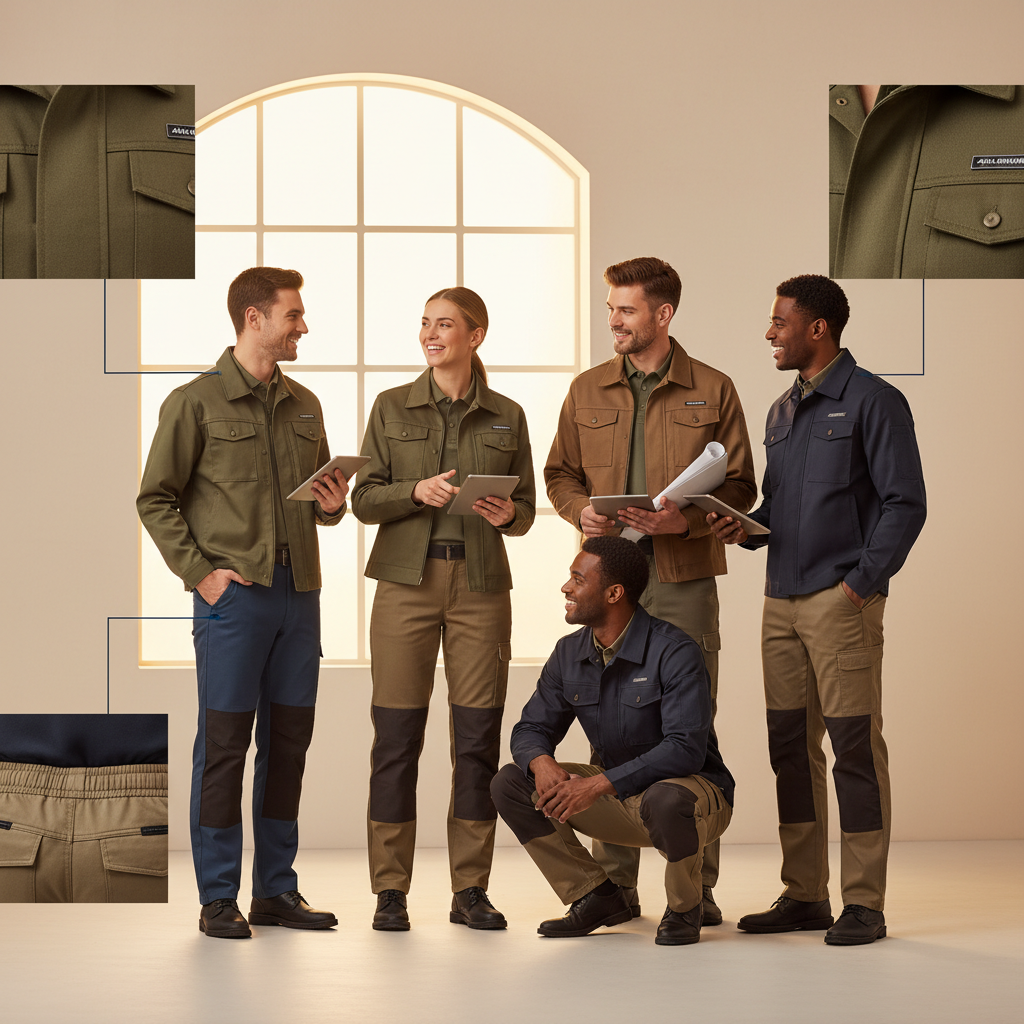
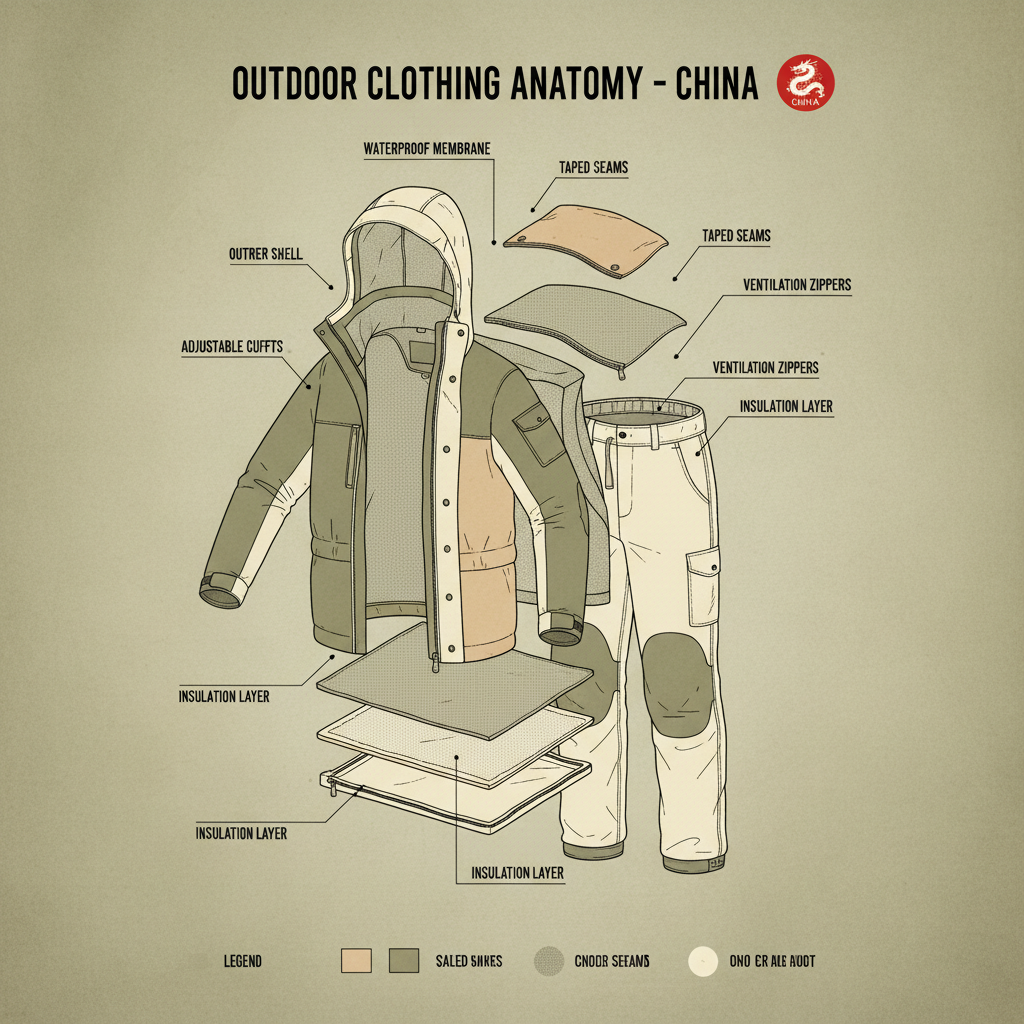
The global demand for robust and reliable workwear is steadily increasing, driven by heightened safety regulations, a growing emphasis on worker well-being, and the expansion of industries like construction, manufacturing, and energy. safety workwear suppliers are pivotal in meeting this demand, providing essential protective garments that minimize workplace hazards and ensure compliance. Understanding the nuances of sourcing quality workwear is therefore vital for businesses committed to employee safety and operational efficiency.
The role of safety workwear suppliers extends beyond simply providing clothing. It encompasses comprehensive solutions, including risk assessment, garment selection tailored to specific job requirements, customization options for branding and comfort, and ongoing support for maintenance and replacement. A proactive approach to workwear procurement translates into reduced accident rates, improved productivity, and a stronger safety culture within organizations.
In an era of increasing globalization and complex supply chains, selecting the right safety workwear suppliers is a strategic decision. Factors like production capacity, quality control standards, ethical sourcing practices, and timely delivery all contribute to a successful partnership. This introduction provides a foundation for understanding the critical role these suppliers play in protecting workers and fostering sustainable business practices.
The Importance of Safety Workwear Suppliers
In today’s risk-conscious environment, the selection of a competent safety workwear suppliers is no longer a simple procurement task, but a crucial investment in human capital and operational resilience. Industries ranging from construction and manufacturing to oil and gas and healthcare rely on these suppliers to provide garments that mitigate workplace hazards and protect employees from injury. The consequences of inadequate workwear can be severe, leading to lost productivity, legal liabilities, and, most importantly, harm to individuals.
Statistics from the International Labour Organization (ILO) reveal that over 2.78 million workers die each year from occupational accidents and work-related diseases. A significant portion of these incidents could be prevented through the use of appropriate personal protective equipment (PPE), including high-visibility clothing, flame-resistant garments, and protective footwear, all sourced from reliable safety workwear suppliers. Choosing a supplier who prioritizes quality, compliance, and innovation is paramount for organizations committed to a zero-harm workplace.
Defining Safety Workwear Suppliers
A safety workwear suppliers is a company specializing in the design, manufacture, and distribution of clothing specifically engineered to protect workers from a variety of hazards. These hazards can include physical dangers like cuts, abrasions, and impacts, as well as chemical, thermal, and biological risks. Suppliers offer a broad range of garments, including coveralls, jackets, pants, vests, gloves, and footwear, tailored to meet the specific requirements of different industries and job roles.
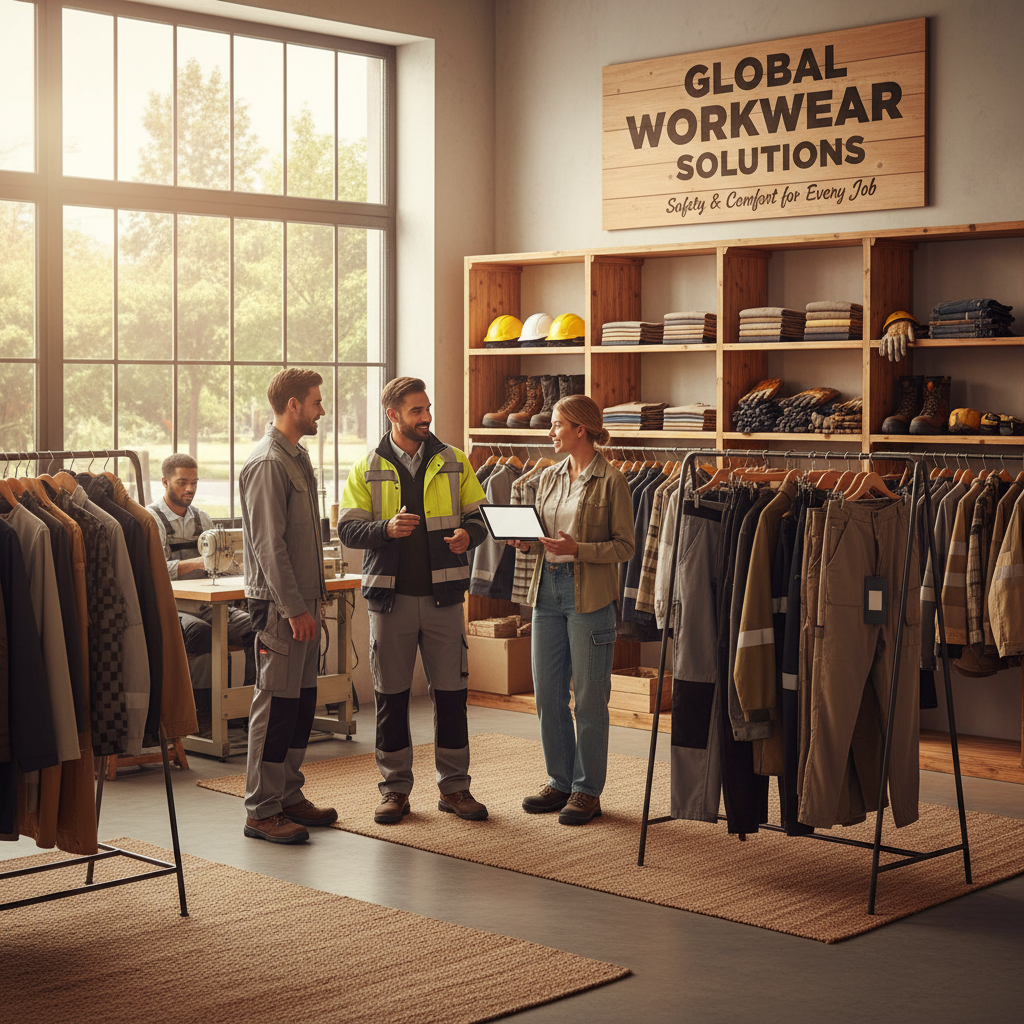
Beyond simply providing garments, modern safety workwear suppliers often provide value-added services such as risk assessments, garment fitting, customization options (logos, colors, etc.), and inventory management solutions. They maintain a deep understanding of relevant safety standards and regulations (e.g., ANSI, ISO, EN) and ensure that their products meet or exceed these requirements.
The connection to modern industry and humanitarian needs is profound. In industrial settings, proper workwear is legally mandated and essential for preventing workplace injuries. In disaster relief scenarios, these suppliers provide crucial protective clothing for first responders and aid workers, enabling them to operate safely in hazardous environments.
Core Components of Reliable Suppliers
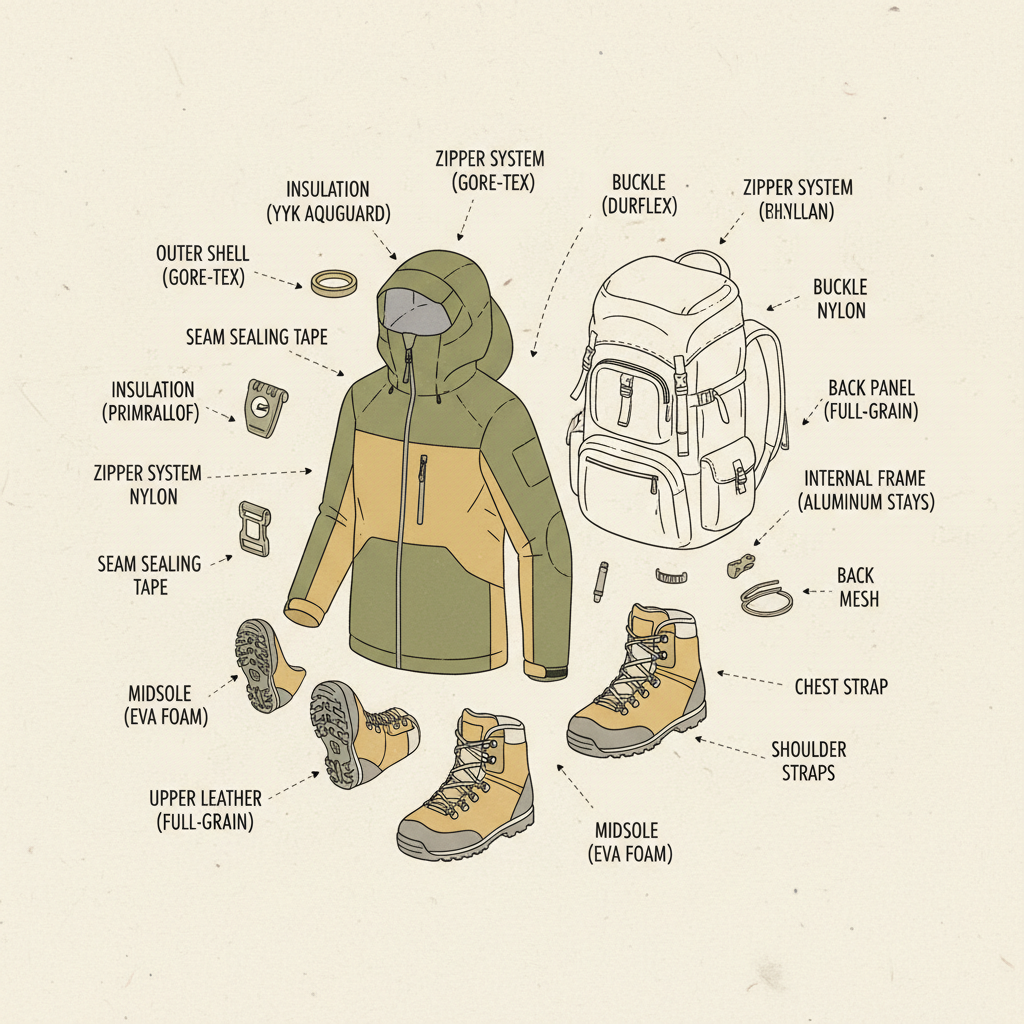
Durability is a cornerstone of any trustworthy safety workwear suppliers. Garments must withstand the rigors of daily use, repeated washing, and exposure to harsh environmental conditions. This requires the use of high-quality materials, robust construction techniques, and rigorous testing procedures. A supplier’s commitment to durability translates directly into cost savings for the customer, as garments last longer and require less frequent replacement.
Compliance with industry standards is non-negotiable. Reliable suppliers demonstrate adherence to relevant regulations (ANSI, ISO, EN) and provide documentation to verify that their products meet safety requirements. This includes certifications for specific hazards, such as flame resistance, chemical protection, and high visibility. Without proper compliance, organizations risk fines, legal liabilities, and, more importantly, the safety of their employees.
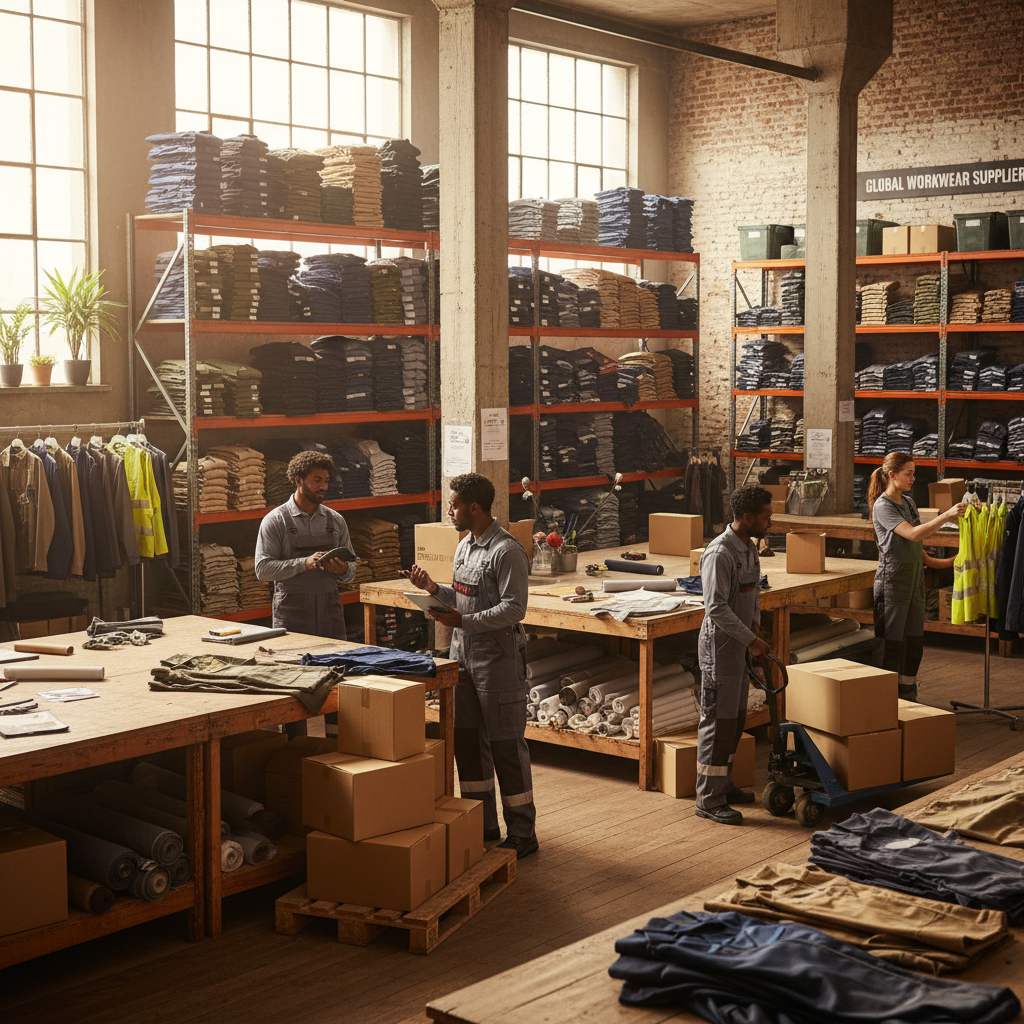
Scalability refers to a supplier’s ability to accommodate fluctuating demand and deliver products on time and within budget. This is particularly important for large organizations with geographically dispersed workforces. A scalable supplier has the capacity to handle both small, urgent orders and large, ongoing contracts without compromising quality or service.
Global Applications and Industries Served
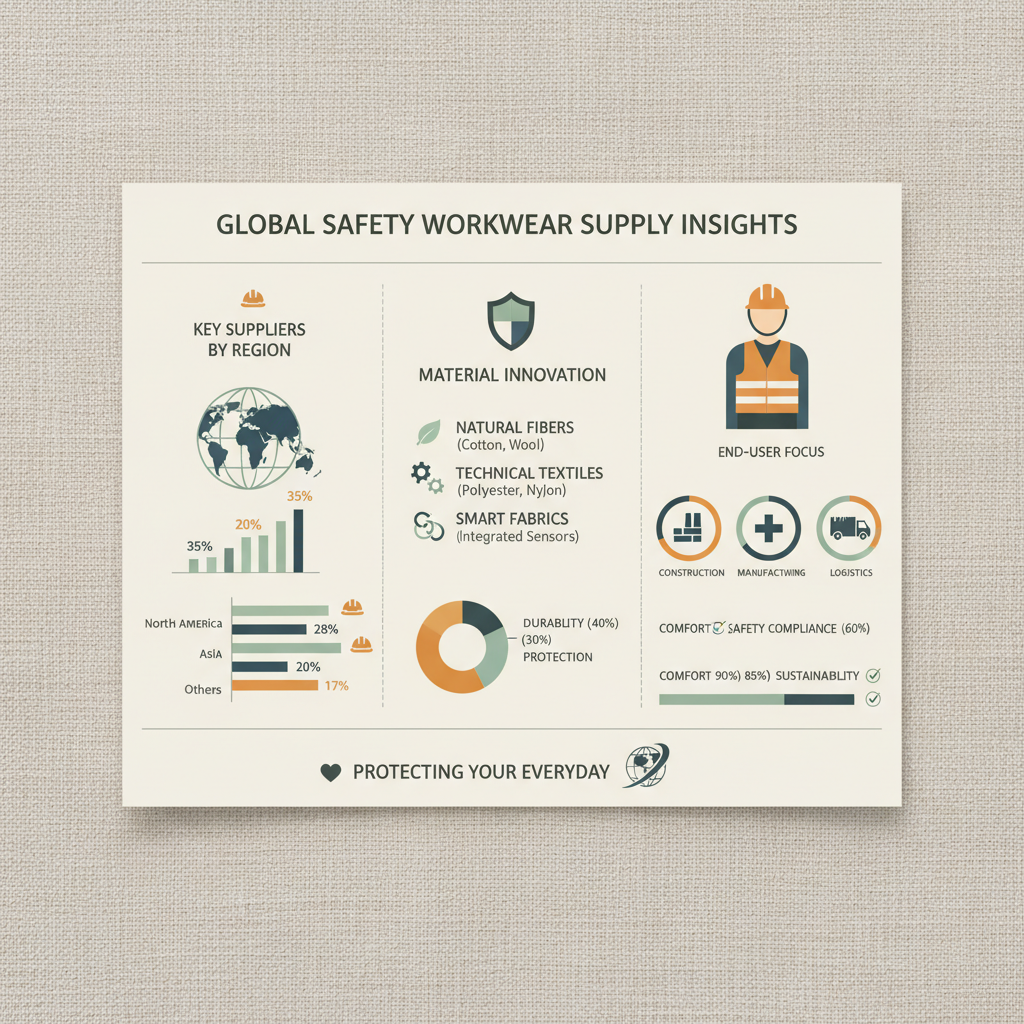
Safety workwear suppliers play a critical role across a vast spectrum of industries. In the construction sector, they provide hard hats, high-visibility vests, and durable work boots to protect workers from falling objects, traffic hazards, and foot injuries. The manufacturing industry relies on suppliers for flame-resistant clothing, protective gloves, and eye protection to mitigate risks associated with machinery, chemicals, and welding.
The energy sector, including oil and gas exploration and renewable energy generation, demands specialized workwear that can withstand extreme temperatures, corrosive substances, and potential explosions. In remote industrial zones like oil rigs or mining operations, reliable access to high-quality workwear is essential for maintaining worker safety and productivity.
In post-disaster relief operations, safety workwear suppliers provide essential protective gear to first responders and aid workers, enabling them to operate safely in hazardous environments contaminated with debris, chemicals, or biological agents. Their contributions are crucial for ensuring the well-being of those on the front lines of emergency response.
Workwear Demand by Industry Segment
Advantages of Partnering with Leading Suppliers
Cost efficiency is a key benefit of working with established safety workwear suppliers. Their economies of scale allow them to offer competitive pricing without compromising quality. Furthermore, durable garments reduce the frequency of replacements, minimizing long-term expenses.
Sustainability is increasingly important. Leading suppliers prioritize ethical sourcing, environmentally friendly materials, and responsible manufacturing processes. This aligns with growing corporate social responsibility (CSR) initiatives and enhances a company’s brand reputation.
Future Trends Shaping the Industry
The integration of smart textiles and wearable technology is poised to revolutionize the workwear industry. Garments embedded with sensors can monitor worker vital signs, detect environmental hazards, and provide real-time feedback to improve safety and performance. This data can also be used for predictive maintenance and proactive risk management.
Increased emphasis on customization and personalization is driving demand for modular workwear systems that can be adapted to specific job tasks and individual preferences. 3D printing and on-demand manufacturing technologies are enabling suppliers to offer bespoke solutions with faster turnaround times.
The drive towards circular economy principles is pushing suppliers to develop innovative recycling programs and utilize sustainable materials such as recycled polyester and bio-based fabrics. This commitment to environmental responsibility is becoming a key differentiator in the market.
Common Challenges and Effective Solutions
One common challenge is ensuring consistent quality across large-scale production runs. Effective solutions include implementing rigorous quality control procedures, conducting regular factory audits, and investing in advanced testing equipment.
Supply chain disruptions, exacerbated by geopolitical events and natural disasters, pose a significant risk. Diversifying sourcing locations, building strategic partnerships with multiple suppliers, and maintaining buffer stock levels can mitigate these risks.
Meeting evolving safety regulations and standards requires ongoing vigilance and adaptation. Safety workwear suppliers must stay abreast of the latest changes and proactively update their product offerings to ensure compliance.
Analysis of Solutions for Addressing Challenges in Safety Workwear Supply Chains
| Challenge |
Impact on Supplier |
Proposed Solution |
Implementation Score (1-10) |
| Quality Control Inconsistencies |
Increased returns, brand damage |
Implement AI-powered quality inspection |
8 |
| Supply Chain Disruptions |
Delivery delays, material shortages |
Diversify sourcing, localized production |
9 |
| Evolving Safety Regulations |
Compliance risks, product recalls |
Proactive regulatory monitoring, certification |
7 |
| Labor Ethical Concerns |
Reputational risk, consumer boycott |
Ethical audits, fair wage practices |
10 |
| Material Price Volatility |
Reduced profit margins, cost fluctuations |
Long-term contracts, material hedging |
6 |
| Inventory Management |
Overstocking, stockouts |
AI-powered demand forecasting |
7 |
FAQS
When choosing a safety workwear suppliers, prioritize certifications like ANSI/ISEA 107 for high-visibility clothing, NFPA 2112 for flame-resistant garments, and ISO 9001 for quality management systems. These certifications demonstrate a commitment to safety standards and provide assurance that the products have been independently tested and verified. Understanding the specific hazards associated with your workplace will help you identify the relevant certifications to look for.
Proper fit is crucial for effective protection. A safety workwear suppliers should offer a range of sizes and potentially customization options to accommodate different body types. Consider on-site fitting services to ensure employees receive garments that fit comfortably and securely. Regularly review sizing guidelines and encourage employees to report any fit issues.
The lifespan of safety workwear varies depending on the material, usage, and maintenance. Follow the manufacturer’s instructions for washing and care. Regular inspections for wear and tear, such as tears, abrasions, or fading, are essential. Replace garments when they no longer provide adequate protection or meet safety standards.
Inquire about the supplier’s labor standards and supply chain transparency. Look for suppliers who conduct regular audits of their factories to ensure fair wages, safe working conditions, and compliance with human rights principles. Certifications like WRAP (Worldwide Responsible Accredited Production) can provide independent verification of ethical practices.
A managed workwear service offers a convenient solution for managing all aspects of workwear procurement, distribution, maintenance, and replacement. Benefits include reduced administrative burden, improved compliance, cost savings, and enhanced worker safety. The safety workwear suppliers handles inventory management, cleaning, and repairs, freeing up internal resources.
Customization, such as adding logos, specific colors, or alterations, typically increases both lead times and pricing. The extent of the impact depends on the complexity of the customization and the supplier’s capabilities. It's essential to discuss customization requirements upfront and obtain a clear quote that includes lead times and associated costs.
Conclusion
In conclusion, selecting the right safety workwear suppliers is a strategic imperative that directly impacts worker safety, operational efficiency, and organizational reputation. By prioritizing quality, compliance, sustainability, and innovation, businesses can mitigate workplace hazards, enhance employee well-being, and build a stronger safety culture.
Looking ahead, the workwear industry will continue to evolve, driven by advancements in materials science, wearable technology, and data analytics. Organizations that embrace these trends and forge strong partnerships with forward-thinking suppliers will be best positioned to navigate the challenges and capitalize on the opportunities of the future. Visit our website at www.delleecloth.com to learn more about our comprehensive workwear solutions.