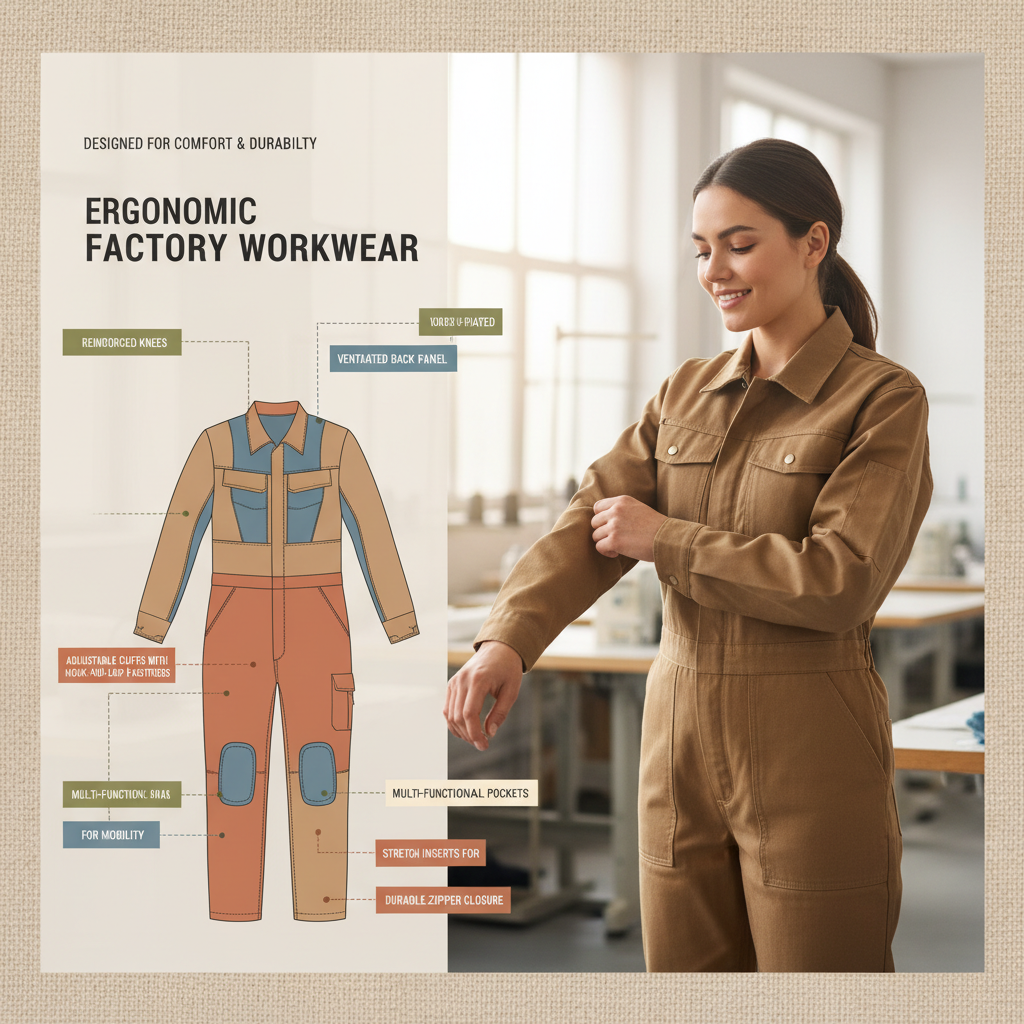
Manufacturer workwear is a critical component of safety and productivity across a vast range of industries. From the demanding environments of construction and manufacturing to the specialized needs of emergency services and logistics, appropriate workwear provides essential protection, enhances worker comfort, and contributes to overall operational efficiency. Understanding the nuances of manufacturer workwear is increasingly important in a globalized world where supply chains are complex and worker safety standards are paramount.
The global workwear market is experiencing significant growth, driven by factors such as increasing industrialization, stricter safety regulations, and a heightened awareness of worker wellbeing. Reports from organizations like the International Labour Organization (ILO) emphasize the need for safe working conditions, and this directly translates into demand for high-quality, durable workwear. The economic impact is substantial; investing in proper manufacturer workwear isn't just a compliance issue, but a strategic investment in workforce capability and reduced incident rates.
Ultimately, choosing the right manufacturer workwear is about more than just meeting regulations. It’s about equipping your team with the tools they need to perform their jobs safely, comfortably, and efficiently. Selecting a reliable supplier who understands your specific needs and can provide durable, compliant solutions is crucial for long-term success and responsible business practices.
The Importance of Durability in Manufacturer Workwear
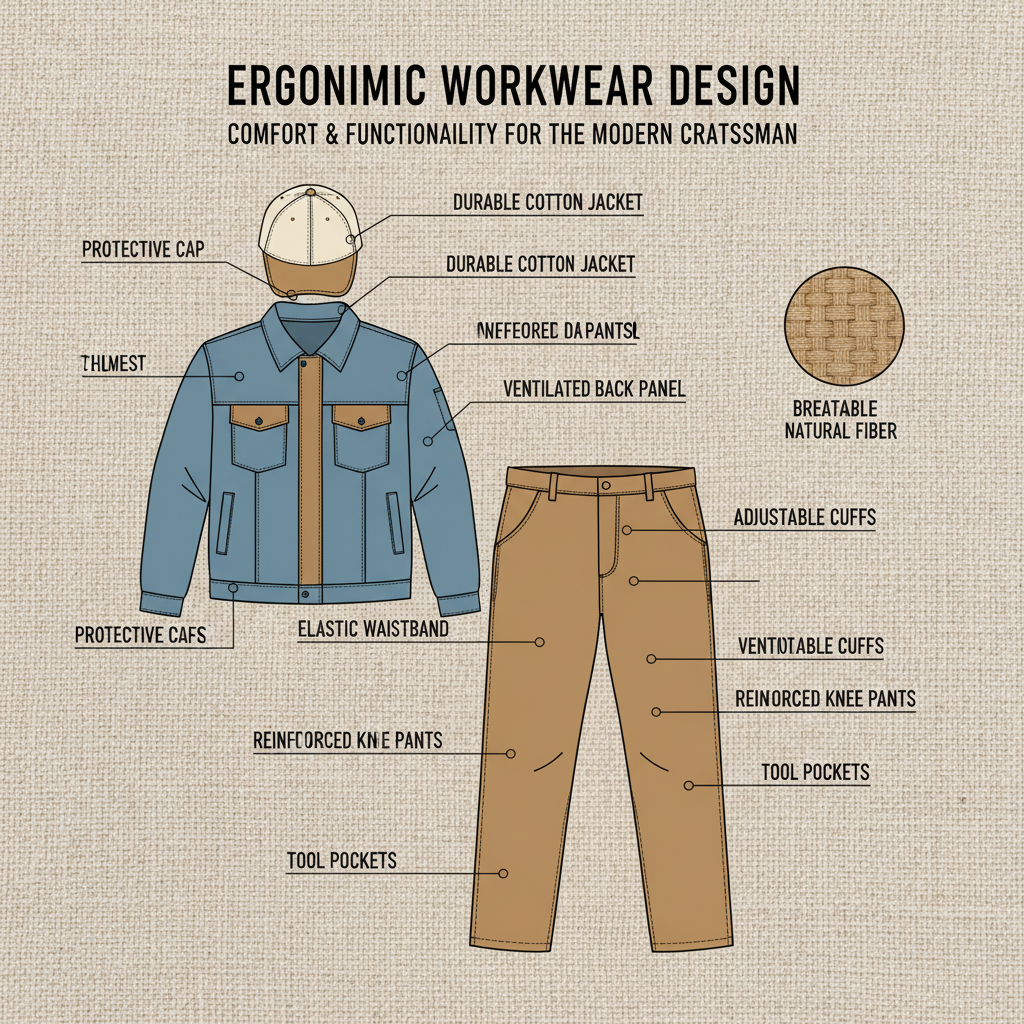
Durability is arguably the most crucial factor in selecting effective manufacturer workwear. Workwear that fails prematurely not only represents a financial loss but also compromises worker safety. The materials used, construction techniques, and reinforcement features all contribute to the longevity of the garment.
Consider the demands placed on workwear in different industries. For example, construction workers require clothing that can withstand abrasion, tears, and exposure to harsh weather conditions. Manufacturing environments may demand resistance to chemicals, oils, and heat. The ability of the workwear to maintain its protective qualities over repeated use and washing cycles is paramount.
Understanding Compliance Standards for Manufacturer Workwear
Navigating the complex landscape of safety standards is vital when sourcing manufacturer workwear. Different countries and industries have varying regulations, and compliance is not merely a legal requirement but a moral obligation to protect workers. Standards such as ANSI/ISEA (American National Standards Institute/International Safety Equipment Association) in the US, and EN ISO standards in Europe, define performance criteria for different types of protective clothing.
These standards cover a wide range of protective features, including high-visibility, flame resistance, arc flash protection, and chemical resistance. It’s important to work with a manufacturer who can demonstrate compliance with the relevant standards for your specific industry and geographic location. Proper documentation and testing are essential to ensure that the workwear provides the intended level of protection.
Staying updated on evolving regulations is also critical. Standards are periodically revised to reflect advancements in technology and a better understanding of workplace hazards. A reputable manufacturer workwear supplier will proactively inform you of any changes that may affect your safety protocols.
Cost-Effectiveness and Lifecycle Analysis of Manufacturer Workwear
While initial cost is a factor, a true assessment of cost-effectiveness requires a lifecycle analysis of manufacturer workwear. Cheaper options may seem appealing initially, but they often lack the durability and protective features of higher-quality garments, leading to more frequent replacements and potential safety risks.
Consider the total cost of ownership, including purchase price, maintenance (washing, repairs), and replacement frequency. Investing in durable, well-made workwear can significantly reduce these long-term costs. Furthermore, reduced workplace accidents resulting from appropriate protective clothing translate into lower insurance premiums and lost productivity.
A robust lifecycle analysis also factors in the environmental impact of disposal. Workwear made from sustainable materials and designed for longevity contributes to a more circular economy and reduces waste. Choosing a manufacturer workwear committed to sustainable practices aligns with responsible business values.
The Role of Innovation in Advancing Manufacturer Workwear Technology
Innovation is driving significant advancements in manufacturer workwear, leading to improved comfort, protection, and functionality. New materials, such as advanced polymers and composites, are offering enhanced durability, breathability, and resistance to a wider range of hazards.
Smart textiles, incorporating sensors and connectivity, are emerging as a game-changer. These technologies can monitor worker health and safety in real-time, providing alerts in the event of fatigue, exposure to dangerous substances, or falls. This proactive approach to safety can prevent accidents and improve overall worker wellbeing.
Comparison of Manufacturer Workwear Material Performance
Global Applications of Manufacturer Workwear Across Industries
The need for effective manufacturer workwear transcends geographical boundaries and is critical across a diverse range of industries. In construction, workwear provides protection from falling objects, abrasion, and weather exposure. The oil and gas industry demands flame-resistant clothing to mitigate the risks of fire and explosions.
Emergency services, including firefighters, paramedics, and police officers, rely on specialized workwear designed for hazardous environments. The automotive industry requires garments that protect against chemicals, heat, and sharp objects. Even seemingly less hazardous industries, such as food processing, benefit from workwear that ensures hygiene and prevents contamination.
Advantages of Investing in High-Quality Manufacturer Workwear
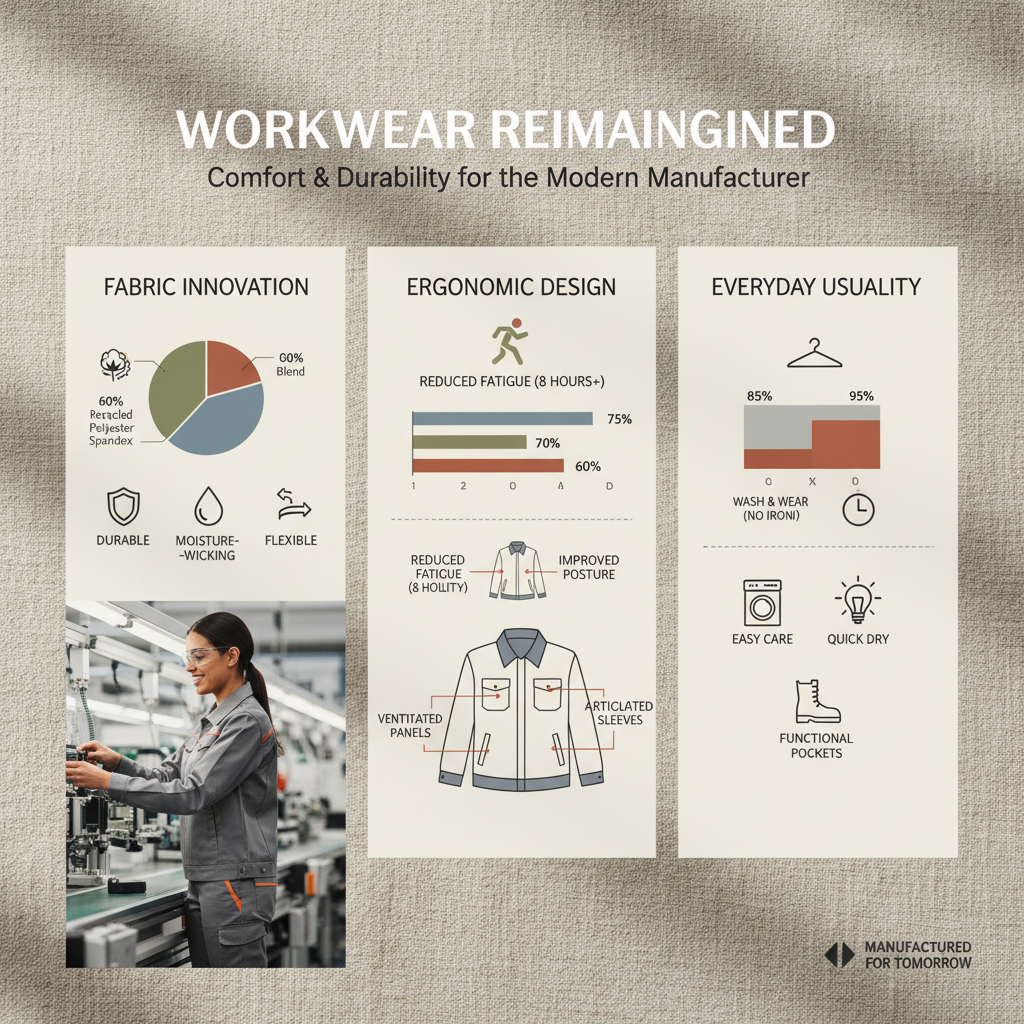
Investing in high-quality manufacturer workwear yields numerous advantages, extending beyond immediate safety benefits. Enhanced worker comfort leads to increased productivity and reduced fatigue. Improved morale and a sense of value contribute to better employee retention.
A strong commitment to safety demonstrates a responsible corporate culture, enhancing brand reputation and attracting top talent. Reduced incident rates translate into lower insurance costs and minimized downtime. Ultimately, prioritizing quality workwear is an investment in the long-term health and success of the organization.
Choosing a reputable supplier with a proven track record ensures access to the latest innovations and expert advice. They can assist with selecting the appropriate garments for specific applications and provide guidance on proper maintenance and care.
Future Trends and Material Science in Manufacturer Workwear
The future of manufacturer workwear is inextricably linked to advancements in material science and sustainable manufacturing practices. Research into bio-based and recycled materials is gaining momentum, offering eco-friendly alternatives to traditional synthetic fabrics.
Additive manufacturing (3D printing) is poised to revolutionize the customization of workwear, enabling the creation of garments tailored to individual worker needs and body types. Nanotechnology is being explored to enhance the protective properties of fabrics, making them lighter, more durable, and more resistant to a wider range of hazards.
The integration of artificial intelligence (AI) and machine learning (ML) will further optimize workwear design and performance, predicting wear patterns and identifying areas for improvement. Manufacturer workwear innovation will continue to drive increased safety, comfort, and sustainability in the workplace.
Analysis of Key Factors Affecting Future Manufacturer Workwear Development
| Material Innovation |
Technological Integration |
Sustainability Impact |
Regulatory Compliance |
| Development of bio-based polymers |
Integration of smart sensors |
Reduction of carbon footprint |
Stricter safety standards |
| Enhanced fabric durability |
AI-powered design optimization |
Circular economy adoption |
Increased transparency in supply chains |
| Improved thermal regulation |
Data-driven performance monitoring |
Waste reduction initiatives |
Harmonization of global standards |
| Advanced chemical resistance |
Predictive maintenance alerts |
Ethical sourcing of materials |
Focus on worker wellbeing |
| Lightweight protective materials |
Real-time hazard detection |
Recyclability and biodegradability |
Emphasis on ergonomics and comfort |
| Self-healing fabric technologies |
Personalized workwear solutions |
Reduced water consumption in production |
Improved traceability and accountability |
FAQS
Different safety standards, like ANSI in the US and EN standards in Europe, have varying requirements for protective clothing. ANSI focuses on performance testing and labeling, while EN standards often specify more detailed material and construction criteria. Understanding these differences is crucial for ensuring your workwear complies with local regulations and provides adequate protection for your workers.
Even if workwear appears visually intact, its protective properties can degrade over time due to exposure to UV radiation, chemicals, or repeated washing. Replacement frequency depends on the specific hazards and usage conditions, but a general guideline is to replace workwear annually or more often if exposed to extreme conditions. Regular inspections are also essential.
Fabric weight directly impacts breathability and thermal regulation. Heavier fabrics offer greater durability and protection but can be less comfortable in warm climates. Lighter fabrics provide better ventilation but may not offer sufficient protection in harsh environments. Selecting the appropriate fabric weight depends on the typical weather conditions and the intensity of the work.
Proper fit is critical for both comfort and safety. Workwear that is too loose can snag on machinery or hinder movement, while workwear that is too tight can restrict circulation and cause discomfort. Providing a range of sizes and considering individual worker body measurements is essential. Some manufacturers offer custom sizing options.
Sustainable materials, like organic cotton or recycled polyester, reduce the environmental impact of workwear production. They also often offer enhanced comfort and breathability. Choosing sustainable options demonstrates a commitment to corporate social responsibility and can attract environmentally conscious customers and employees.
Proper care and maintenance are crucial for maximizing the lifespan of workwear. Always follow the manufacturer’s washing instructions, and avoid using harsh detergents or bleach. Repair minor damage promptly, and store workwear in a clean, dry place. Regular inspections can identify potential problems before they escalate.
Conclusion
In conclusion, understanding the critical aspects of manufacturer workwear – from durability and compliance to innovation and sustainability – is paramount for businesses prioritizing worker safety, productivity, and responsible operations. Investing in high-quality workwear isn't simply an expense; it’s a strategic investment in a company's most valuable asset: its people.
Looking ahead, the integration of advanced materials, smart technologies, and circular economy principles will redefine the landscape of manufacturer workwear. By staying informed about these trends and partnering with a reliable supplier, organizations can ensure they are equipped to meet the evolving challenges of the modern workplace and create a safer, more comfortable, and more sustainable future for their workforce. Visit our website at www.delleecloth.com to explore our range of solutions.