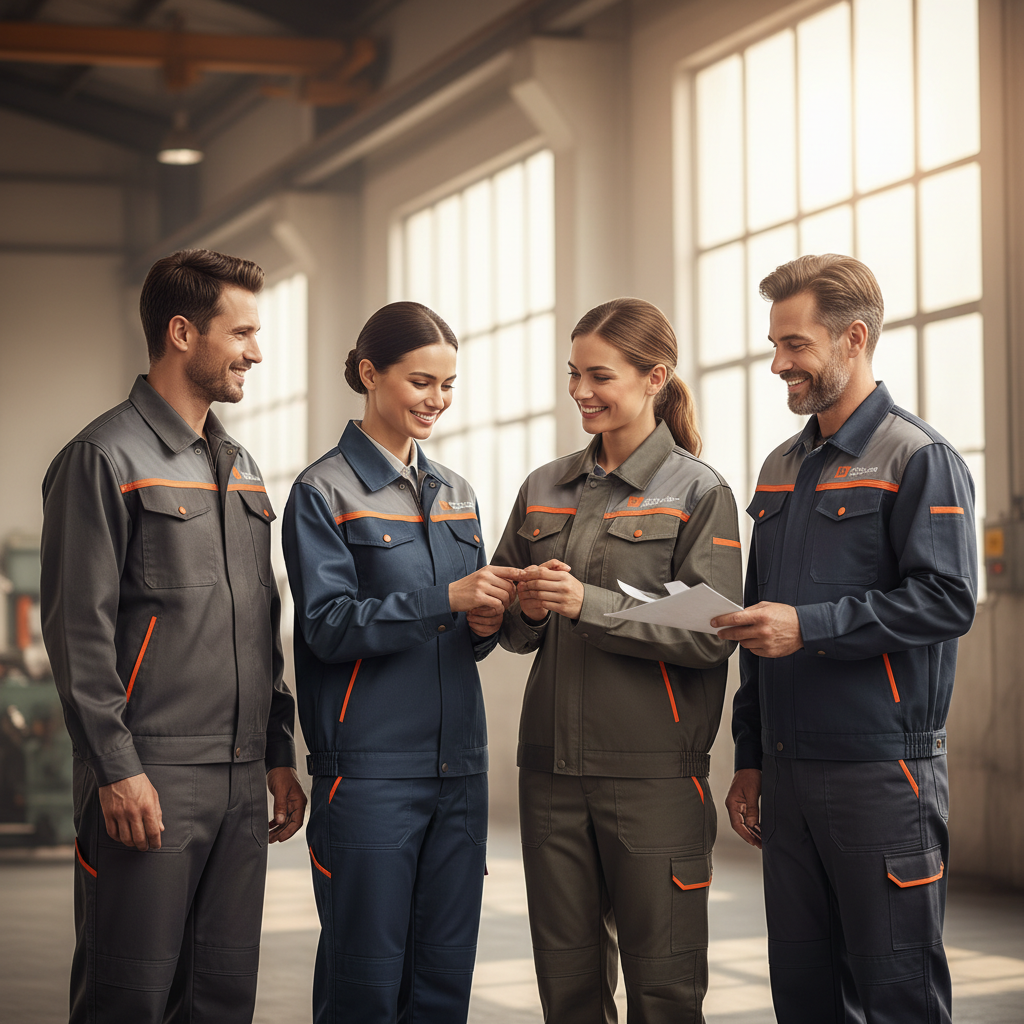
Industrial workwear suppliers aren’t just about clothes; they’re the backbone of safety and productivity across countless industries. From the construction worker scaling a skyscraper to the technician maintaining a complex energy grid, the right workwear ensures employees can perform their jobs effectively and, crucially, safely. Globally, the demand for robust and reliable industrial workwear is steadily increasing, fueled by growing industrialization, stricter safety regulations, and a heightened awareness of worker wellbeing. It's a critical component of operational success, and sourcing the right supplier is paramount.
The importance of these suppliers extends beyond simply providing garments. They’re vital to protecting workers from hazards like extreme temperatures, chemical exposure, and physical injuries. The UN Sustainable Development Goals (SDG 8 – Decent Work and Economic Growth) underscore the need for safe and secure working environments, and industrial workwear plays a direct role in achieving this. A reliable supply chain of quality workwear contributes to reduced workplace accidents, lower insurance costs, and improved employee morale – all key indicators of a thriving and responsible industrial sector.
We’re talking about more than just shirts and pants. It’s about systems – complete protective solutions tailored to specific job roles and environments. I’ve seen firsthand how a poorly chosen garment can hinder movement, create discomfort, and ultimately lead to mistakes or even accidents on a job site. Choosing the right industrial workwear supplier means choosing a partner who understands these nuances and can deliver solutions that genuinely protect and empower the workforce.
The Importance of Industrial Workwear Suppliers
Let’s be clear: industrial workwear suppliers are not just retailers. They’re partners in risk management. I’ve spent years walking jobsites, and you quickly learn that the difference between a good day and a bad one often comes down to the quality of the gear people are wearing. A good supplier understands the specific hazards of different industries – the arc flash risks for electricians, the chemical splash potential for lab workers, the fall protection needs for construction crews.
It's about providing more than just compliance; it’s about fostering a safety culture. A supplier who actively collaborates with companies to assess risks, recommend appropriate PPE, and provide training is worth their weight in gold. I’ve seen firsthand how proactive suppliers can dramatically reduce incident rates and create a more confident and productive workforce. industrial workwear suppliers are crucial for this.
Defining Industrial Workwear Suppliers
Simply put, industrial workwear suppliers specialize in providing clothing and personal protective equipment (PPE) designed for use in industrial settings. This goes beyond your basic retail work clothes. We're talking about garments engineered to withstand harsh conditions, offer specific protection against hazards, and meet rigorous safety standards like ANSI, ISO, and CSA.
These suppliers don't just sell workwear; they often provide services like customization (branding, embroidery), inventory management, and even on-site fitting and training. Their customer base is diverse, ranging from small construction firms to large-scale manufacturing plants, oil and gas companies, and even government agencies. They bridge the gap between safety regulations and the practical needs of the workforce.
The connection to modern industry is fundamental. As industries evolve and new hazards emerge, these suppliers adapt, developing innovative materials and designs to meet the changing demands of the workplace. They are integral to the continued safety and efficiency of critical infrastructure and manufacturing processes.
Key Factors in Selecting Suppliers
When I'm evaluating a potential supplier, durability is always at the top of my list. I need gear that can hold up to the rigors of the job site, day in and day out. This means looking at the quality of materials, the strength of the seams, and the overall construction of the garment. Cheap workwear might save money upfront, but it quickly falls apart, leading to frequent replacements and potential safety compromises.
Scalability is equally important. Can the supplier handle my order volume, both now and as my business grows? Do they have the capacity to fulfill large orders quickly and efficiently? A supplier who can’t scale with your needs will quickly become a bottleneck. I've been stuck waiting on shipments that stalled entire projects - it's a lesson I won't repeat.
Cost efficiency isn’t just about getting the lowest price; it's about getting the best value. A slightly more expensive garment that lasts twice as long and provides superior protection is often the more economical choice in the long run. It's crucial to consider the total cost of ownership – including replacement costs, downtime due to injuries, and potential fines for non-compliance.
Global Applications and Industry Needs
The need for reliable industrial workwear suppliers spans the globe. In the oil and gas industry in the North Sea, workers require specialized flame-resistant clothing to protect against explosions and fires. In the manufacturing hubs of Southeast Asia, suppliers provide durable, breathable workwear to help workers cope with hot and humid conditions.
In remote industrial zones like the Australian outback, suppliers face the challenge of delivering workwear to geographically isolated locations, often under demanding logistical constraints. Even in post-disaster relief operations, appropriate workwear is essential for rescue workers and recovery teams, offering protection from debris, hazardous materials, and the elements.
These suppliers are increasingly working with humanitarian organizations to provide protective gear to workers in developing countries, ensuring safe working conditions and promoting sustainable economic growth. The versatility and adaptability of industrial workwear suppliers is a key factor in their global relevance.
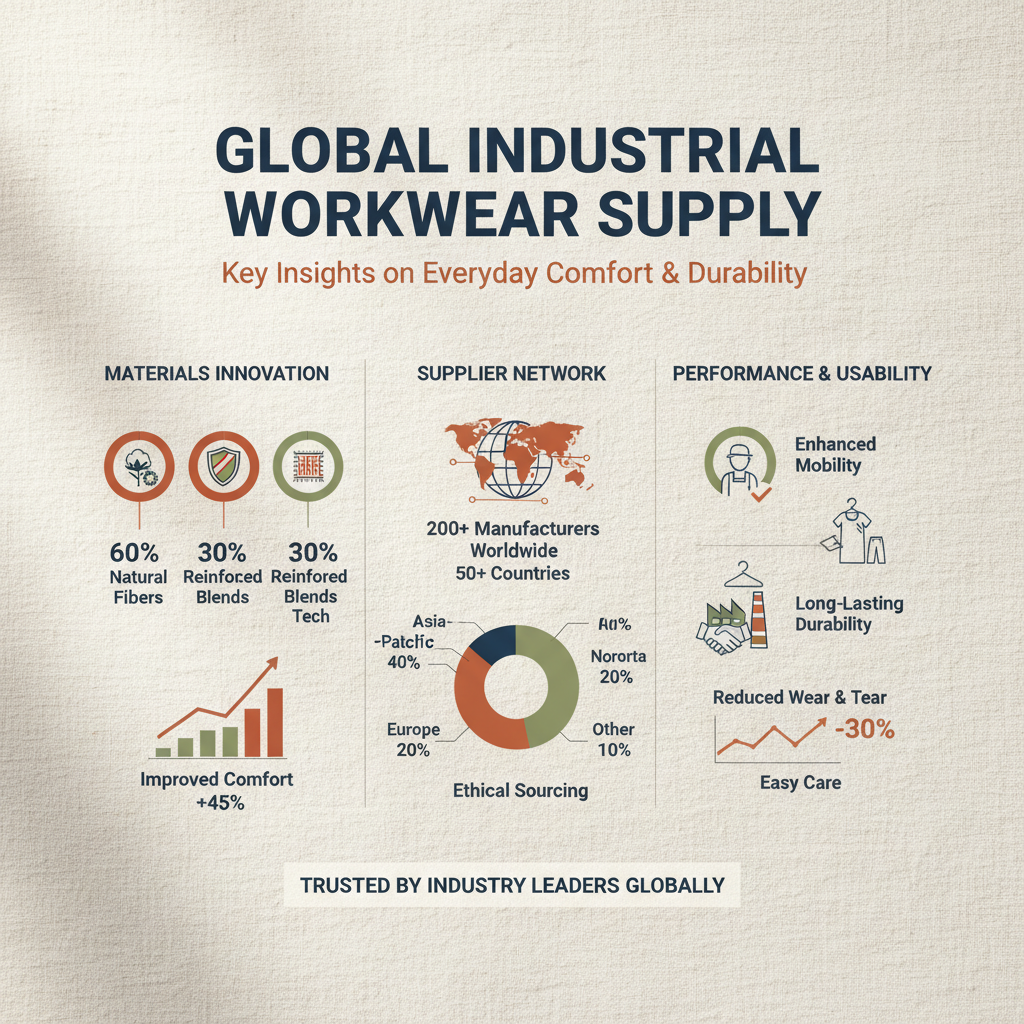
Industrial Workwear Suppliers Performance Metrics
Advantages and Long-Term Value
Beyond the obvious safety benefits, partnering with a reliable industrial workwear supplier offers significant long-term value. Reduced incident rates translate directly into lower insurance premiums and workers’ compensation costs. Improved worker morale and productivity contribute to increased efficiency and profitability. And, a commitment to sustainable sourcing and ethical manufacturing practices enhances a company’s reputation and builds trust with stakeholders.
From a sustainability perspective, choosing durable, high-quality workwear reduces the need for frequent replacements, minimizing waste and environmental impact. Emotionally, providing employees with comfortable, reliable, and well-fitting workwear demonstrates a genuine commitment to their wellbeing, fostering a sense of dignity and respect. This builds loyalty and strengthens the employer-employee relationship.
Future Trends and Innovations
We’re seeing a surge in the development of smart workwear incorporating technologies like sensors and wearable devices. These innovations can monitor worker health and safety in real-time, providing alerts for fatigue, exposure to hazardous substances, or potential falls. The integration of RFID tags and blockchain technology is also gaining traction, enabling better inventory management and supply chain transparency.
Sustainable materials are becoming increasingly important, with suppliers exploring alternatives to traditional fabrics like organic cotton, recycled polyester, and bio-based polymers. Expect to see more workwear designed for circularity – garments that can be easily disassembled, repaired, and recycled at the end of their lifespan.
Challenges and Solutions for Suppliers
One major challenge is maintaining consistent quality across large-scale production runs. Suppliers need to invest in robust quality control processes and rigorous testing procedures to ensure that every garment meets the required safety standards. Another challenge is managing supply chain disruptions, particularly in the face of global events like pandemics and geopolitical instability.
Diversifying sourcing options, building strong relationships with multiple suppliers, and implementing advanced inventory management systems can help mitigate these risks. Finally, staying ahead of evolving safety regulations and industry standards requires continuous learning and adaptation. Suppliers who invest in research and development and collaborate with industry experts will be best positioned to thrive in the long run.
Finding solutions to these hurdles requires a commitment to innovation and a proactive approach to risk management. The future of industrial workwear suppliers depends on their ability to meet these challenges head-on.
Summary of Key Supplier Challenges and Solutions
| Challenge |
Impact on Operations |
Potential Solution |
Implementation Cost (1-10) |
| Quality Control Issues |
Increased product returns, safety hazards |
Implement rigorous testing & inspection |
7 |
| Supply Chain Disruptions |
Delayed deliveries, production stoppages |
Diversify sourcing, build inventory |
8 |
| Evolving Safety Regulations |
Non-compliance, legal liabilities |
Continuous training & monitoring |
6 |
| Increasing Material Costs |
Reduced profit margins, price increases |
Negotiate contracts, explore alternatives |
5 |
| Demand for Sustainability |
Reputational risk, lost customers |
Invest in eco-friendly materials |
9 |
| Labor Shortages |
Production delays, increased costs |
Automation, employee training |
7 |
FAQS
When choosing a supplier, prioritize certifications like ANSI/ISEA for North America, ISO 9001 for quality management, and specific standards related to your industry (e.g., NFPA 70E for electrical safety). These certifications demonstrate a commitment to rigorous testing, quality control, and adherence to industry best practices. Don’t hesitate to ask for proof of certification – a reputable supplier will be happy to provide it. It proves they’re taking safety seriously and aren't just cutting corners.
Proper fit is crucial for both comfort and safety. A supplier should offer a range of sizes and styles to accommodate different body types. Consider offering on-site fitting services or providing detailed sizing guides. It’s also important to allow employees to try on garments before making a final purchase. Ill-fitting workwear can restrict movement, cause discomfort, and even create safety hazards – a properly fitted garment is a more productive garment.
Customized workwear – with company logos, branding, or employee names – can enhance brand visibility, improve team morale, and create a sense of professionalism. It also helps with accountability and prevents theft. A good supplier will offer customization options like embroidery, screen printing, and heat transfer. It's an investment in your company image and employee pride.
Look for suppliers who prioritize sustainable materials (organic cotton, recycled polyester), ethical manufacturing processes, and responsible waste management. Ask about their supply chain transparency and whether they have any certifications related to sustainability (e.g., OEKO-TEX). Supporting sustainable suppliers demonstrates a commitment to environmental responsibility.
A reputable supplier will have a clear and efficient process for handling complaints and resolving issues. Contact their customer service department and provide details about the problem. Keep a record of all communication. A good supplier will work with you to find a satisfactory solution, whether it’s a replacement, a refund, or a repair.
The replacement frequency depends on the type of workwear, the level of wear and tear, and any damage. Regularly inspect garments for rips, tears, fading, or compromised protective properties. Follow the manufacturer's recommendations for cleaning and maintenance. Generally, garments should be replaced when they no longer provide adequate protection or when they become significantly damaged.
Conclusion
In conclusion, selecting the right industrial workwear suppliers is far more than a purchasing decision – it’s a strategic investment in the safety, productivity, and long-term success of your organization. From ensuring compliance with stringent safety regulations to fostering a positive workplace culture, the right workwear plays a critical role in protecting your most valuable asset: your employees.
Looking ahead, we can expect to see continued innovation in materials, technologies, and sustainable practices within the industry. By staying informed about these trends and partnering with forward-thinking suppliers, companies can proactively address emerging challenges and create a safer, more efficient, and more responsible workplace. Visit our website at www.delleecloth.com to learn more about how we can help you meet your industrial workwear needs.