
Corporate workwear suppliers are the backbone of industries ranging from construction and healthcare to manufacturing and logistics. They’re not just about providing clothes; they’re about ensuring safety, boosting productivity, and projecting a professional image. Globally, the demand for quality workwear is consistently rising, driven by stricter safety regulations, a growing workforce, and an increasing emphasis on employee wellbeing. The UN’s Sustainable Development Goals, particularly those related to decent work and economic growth, further highlight the importance of providing workers with appropriate and safe attire. Understanding the nuances of these suppliers—their capabilities, quality control, and ethical sourcing practices—is critical for businesses of all sizes.
The need for reliable corporate workwear suppliers is directly tied to minimizing workplace accidents and improving operational efficiency. Poorly fitted or inadequate workwear can lead to injuries, decreased morale, and even legal repercussions. According to the World Bank, workplace injuries cost economies billions annually. Effective corporate workwear solutions address these issues by offering durable, comfortable, and fit-for-purpose garments. Choosing the right supplier means choosing a partner committed to protecting your workforce and supporting your business goals.
The current global supply chain challenges, coupled with increasing demands for sustainability and ethical production, are pushing organizations to carefully evaluate their workwear sourcing strategies. The role of corporate workwear suppliers has evolved from simply providing garments to offering comprehensive solutions including design, customization, inventory management, and laundry services. This demands a deep understanding of materials, manufacturing processes, and logistical networks – it’s not just about finding the cheapest price, but the best overall value.

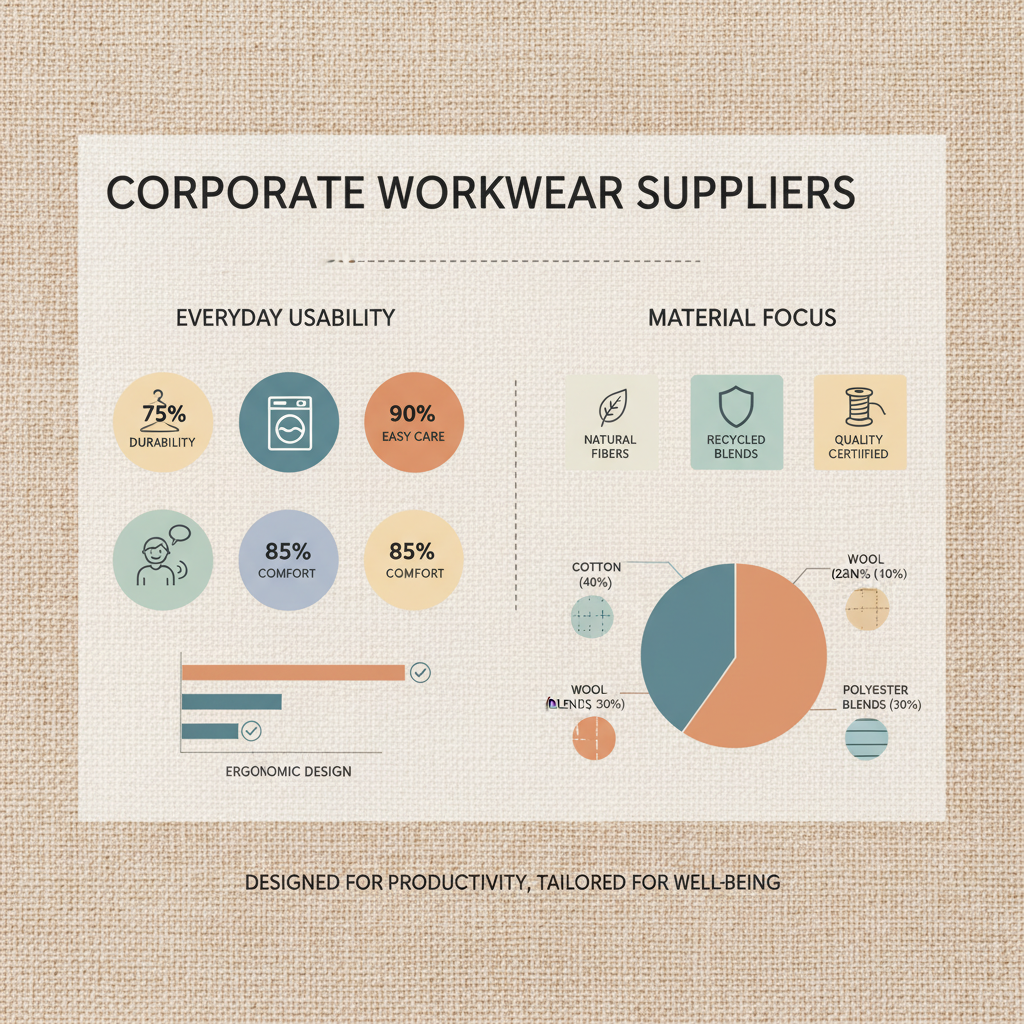
I've been on sites where a good uniform isn't just about looking the part, it's about a worker feeling confident and protected. The global corporate workwear market is a multi-billion dollar industry, and it's growing. That's because companies are realizing workwear is a key investment – not an expense. It’s about risk management, brand representation, and, frankly, showing your employees you value their safety. We see significant demand coming from rapidly industrializing nations in Asia and Africa, alongside continued strong demand in established markets like North America and Europe.
From a practical standpoint, a good supplier understands industry-specific needs. A construction crew needs drastically different gear than a cleanroom technician. Suppliers need to be up-to-date on certifications like ISO standards, and increasingly, they’re being asked about their environmental impact and ethical labor practices. These aren't just 'nice-to-haves' anymore; they're often contractual requirements for large organizations.
When evaluating corporate workwear suppliers, prioritize certifications like ISO 9001 (quality management), ISO 14001 (environmental management), and Oeko-Tex Standard 100 (textile safety). These demonstrate a commitment to quality, sustainability, and worker safety. Depending on your industry, look for specific certifications like ANSI for high-visibility clothing or NFPA for flame-resistant garments. Always verify the validity of certifications directly with the issuing body.
Proper fit is crucial for both comfort and safety. The best suppliers offer sizing guides and even on-site measuring services. Consider offering a range of sizes and styles to accommodate diverse body types. Also, request sample garments to test fit before placing a large order. A good supplier will also offer alterations or exchanges if necessary, ensuring a comfortable and secure fit for all employees.
Lead times vary significantly depending on the size and complexity of the order, customization requirements, and the supplier's current production capacity. Generally, expect a lead time of 4-8 weeks for standard orders, and 8-12 weeks for customized garments. Always confirm lead times with the supplier before placing your order, and factor in potential delays due to unforeseen circumstances (e.g., material shortages, shipping disruptions).
Choose suppliers who prioritize sustainability. Look for garments made from recycled materials, or those manufactured using eco-friendly processes. Consider implementing a workwear recycling program to extend the life of garments and reduce waste. Opt for durable, long-lasting workwear to minimize the need for frequent replacements. Ask suppliers about their waste reduction and energy conservation practices.
A managed workwear service (MWS) takes the burden of workwear management off your hands. The supplier typically handles everything from initial needs assessment and garment selection to ordering, delivery, maintenance (laundry, repairs), and inventory control. This can save you time and money, reduce administrative overhead, and ensure your employees always have access to clean, safe, and well-fitting workwear.
Budgeting for corporate workwear requires careful consideration of several factors, including the number of employees, the type of work they perform, and the required level of protection. Don't solely focus on the per-unit cost. Consider the total cost of ownership, including durability, replacement frequency, and maintenance. Factor in potential savings from reduced accidents and improved productivity. It’s beneficial to get quotes from multiple suppliers and compare their offerings.
Corporate workwear suppliers are far more than just clothing providers; they are strategic partners who contribute to worker safety, productivity, and brand reputation. Selecting the right supplier requires a careful evaluation of factors like durability, scalability, cost-efficiency, and sustainability. Investing in high-quality workwear is an investment in your workforce and your company’s long-term success.
Looking ahead, the industry will continue to be shaped by technological innovation and a growing emphasis on environmental responsibility. By staying informed about emerging trends and prioritizing ethical sourcing practices, organizations can ensure they are partnering with suppliers who are committed to creating a safer, more sustainable, and more productive future for all. For reliable and high-quality corporate workwear solutions, visit our website: delleecloth.com.



Hit enter to search or ESC to close