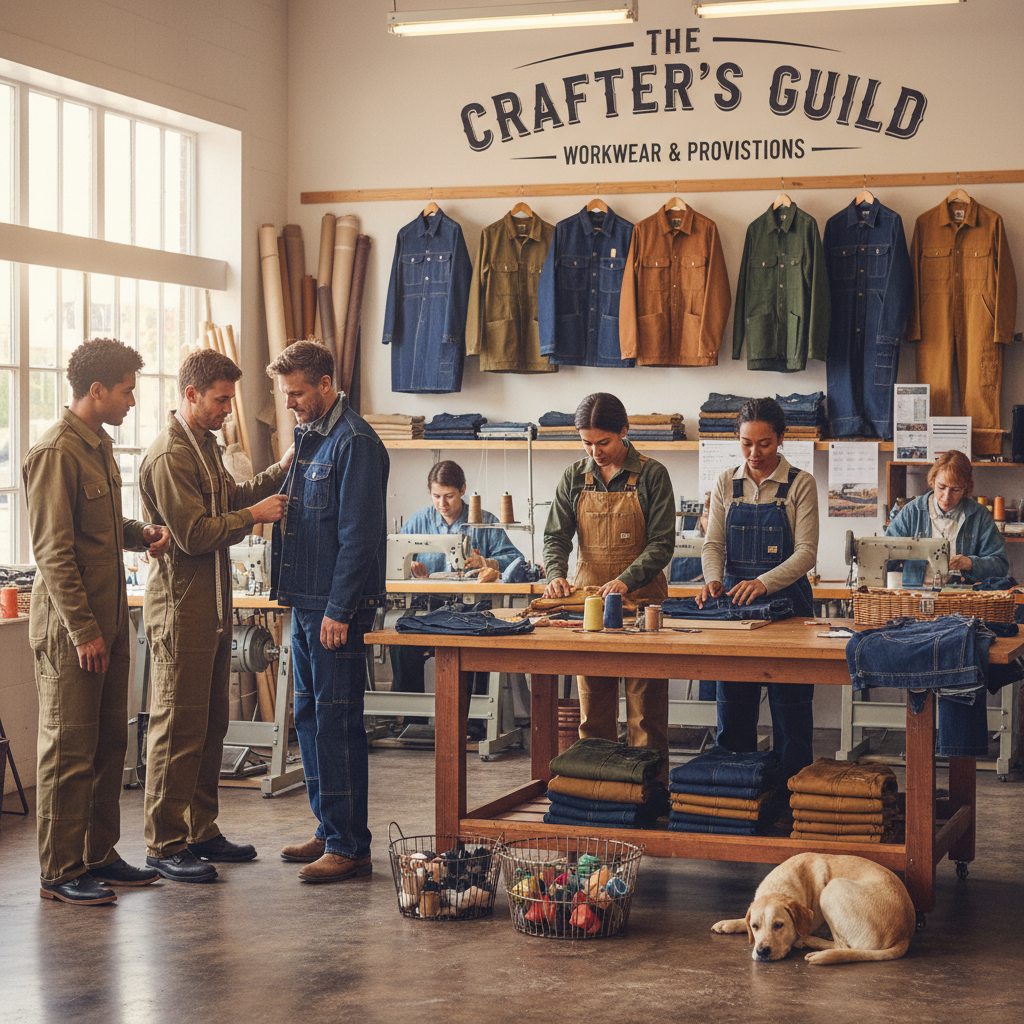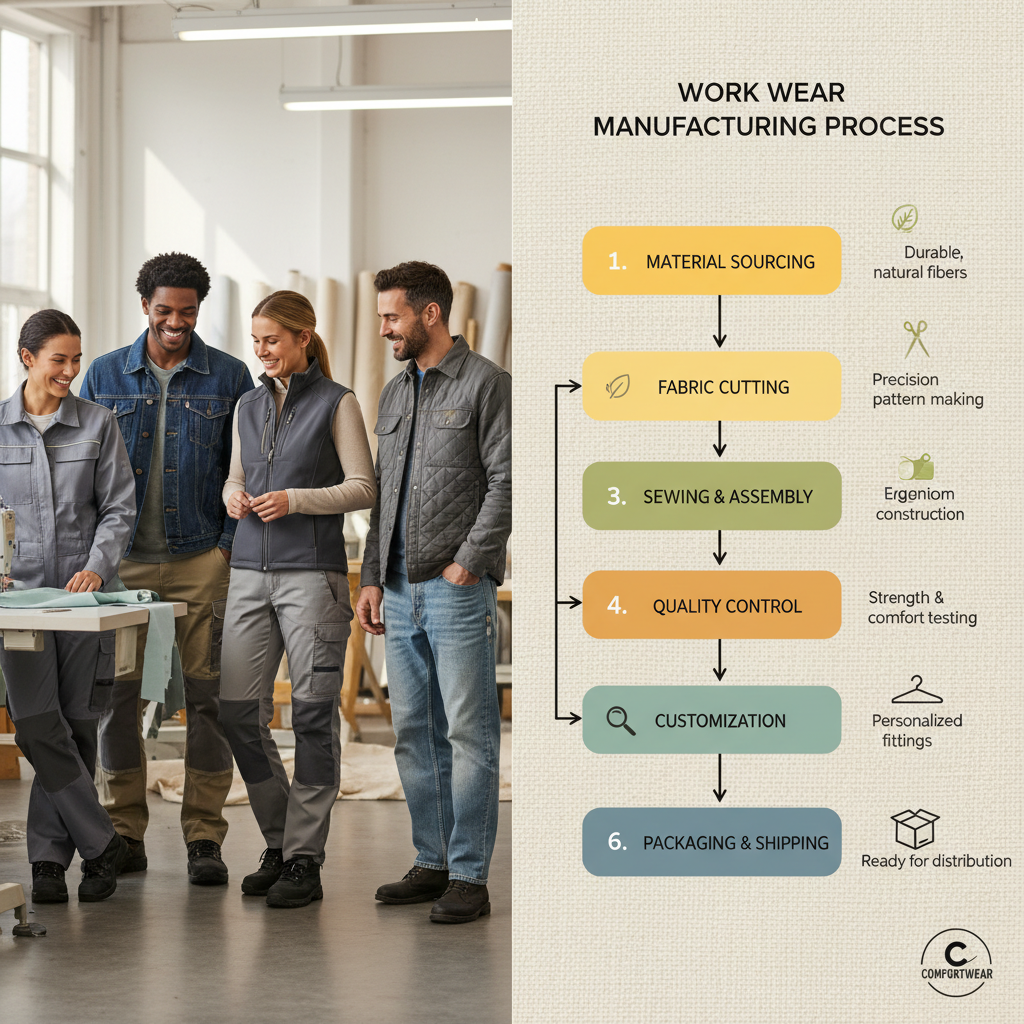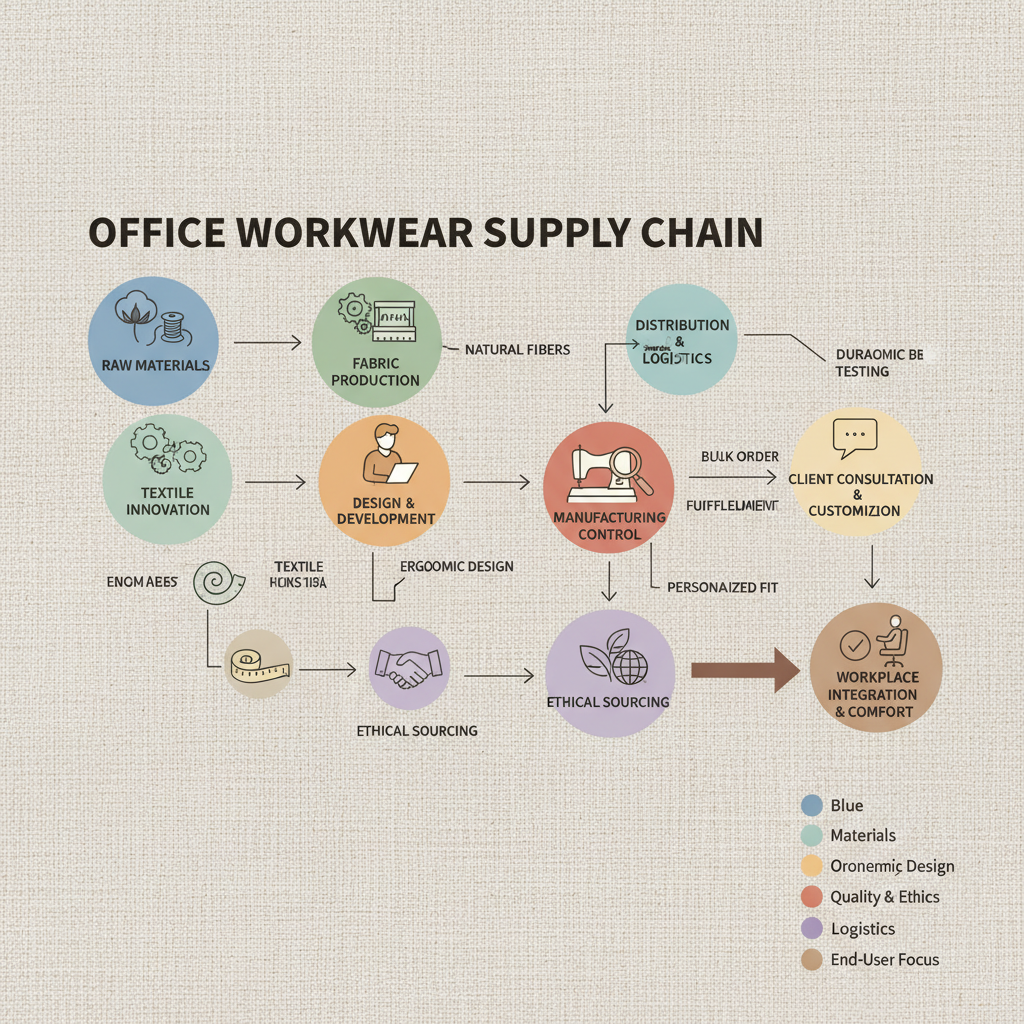
Corporate workwear providers are becoming increasingly vital in today's global landscape. It’s not just about slapping a logo on a shirt anymore; it's about providing durable, safe, and functional clothing that reflects a company’s brand and protects its workforce. From construction sites to healthcare facilities, and from logistics hubs to remote field operations, the demand for high-quality workwear is consistently rising. We're seeing a shift from basic commodity items to specialized garments designed for specific tasks and environments, all driven by a need for enhanced performance, safety, and employee well-being.
The scale of this market is significant. According to industry reports, the global workwear market is projected to reach multi-billion dollar figures in the coming years, fueled by growing industrialization, infrastructure development, and a heightened focus on workplace safety regulations. ISO standards and industry best practices are demanding more from providers – better materials, improved construction techniques, and a greater emphasis on traceability and sustainability. The challenge for businesses is finding reliable corporate workwear providers who can deliver consistent quality at scale.
Ultimately, effective corporate workwear is a cornerstone of operational efficiency and worker morale. It's about more than just meeting compliance requirements; it’s about empowering employees with the tools they need to perform their jobs safely and confidently. A well-equipped workforce is a productive workforce, and choosing the right workwear partner is a strategic investment in a company’s long-term success.

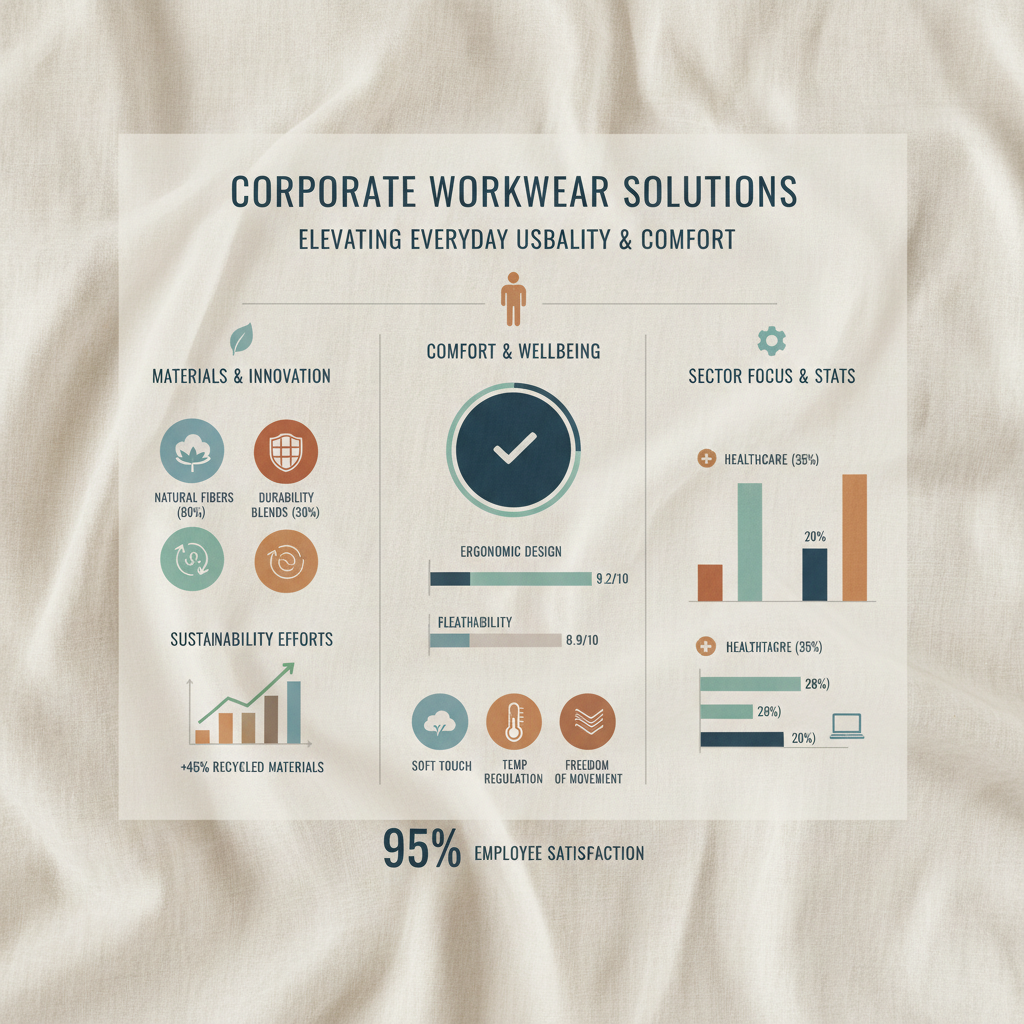
Let’s be honest, I’ve spent enough time on construction sites to know what happens when workers don’t have the right gear. Cuts, scrapes, burns – you name it. Good corporate workwear providers aren't just selling clothes; they're selling peace of mind. They understand the risks inherent in different industries and design garments that mitigate those risks. It's about compliance, sure, but it's much more than that; it’s about showing your team you value their safety.
The economic impact is substantial, too. Reduced workplace accidents translate to lower insurance premiums, fewer lost workdays, and increased productivity. Choosing a provider who prioritizes quality and durability minimizes the need for frequent replacements, saving companies money in the long run. We're talking about a tangible return on investment, not just a cost center.
Lead times for large custom workwear orders can vary significantly depending on the complexity of the design, the quantity required, and the provider’s current production schedule. Generally, you can expect a lead time of 8-12 weeks for initial production. However, experienced corporate workwear providers will work with you to develop a realistic timeline and manage expectations throughout the process. Planning ahead and providing clear specifications are crucial for minimizing delays.
Ensuring your workwear meets the required safety standards is paramount. First, identify the specific standards relevant to your industry (e.g., ANSI/ISEA, NFPA). Then, work with a provider who can demonstrate compliance through third-party certifications and testing reports. Don't hesitate to request documentation and verify the validity of certifications. A reputable corporate workwear providers will readily provide this information.
A managed inventory program (MIP) can significantly streamline your workwear logistics. The provider takes responsibility for managing your inventory levels, ensuring you always have the right garments in stock when you need them. This can reduce administrative burden, minimize stockouts, and lower overall costs. MIPs often include services like automatic replenishment, garment tracking, and laundry/repair services.
Accurate sizing is crucial for worker comfort and safety. The best approach is to conduct a thorough sizing survey of your workforce. Many corporate workwear providers offer sizing guides and can provide assistance with conducting these surveys. Consider offering a range of sizes to accommodate individual differences and ensure a proper fit. A well-fitted garment is more comfortable, safer, and more likely to be worn consistently.
Customization options typically include embroidery, screen printing, heat transfer, and digital printing. Embroidery is generally the most durable and professional-looking option, but it can be more expensive. Screen printing is cost-effective for large quantities and simple designs. Digital printing allows for more complex designs and smaller orders. Discuss your branding requirements with the corporate workwear providers to determine the best approach for your needs.
Look for providers who prioritize sustainable materials (recycled polyester, organic cotton), ethical manufacturing processes, and waste reduction initiatives. Ask about their water and energy usage, their waste management practices, and their commitment to fair labor standards. Certifications like OEKO-TEX Standard 100 and GOTS can provide assurance of environmental and social responsibility.
Investing in the right corporate workwear providers is a strategic imperative for any organization prioritizing workforce safety, productivity, and brand image. From ensuring compliance with stringent safety standards to embracing sustainable practices and leveraging innovative technologies, the future of workwear is bright. Partnering with an experienced provider offers not just garments, but a comprehensive solution tailored to your unique challenges and goals.
As we look ahead, the demand for smarter, more sustainable, and more comfortable workwear will only continue to grow. Staying ahead of the curve requires a proactive approach, a commitment to continuous improvement, and a willingness to collaborate with partners who share your vision. Visit our website at www.delleecloth.com to learn more about how we can help you equip your workforce for success.



Hit enter to search or ESC to close