Local workwear suppliers are more than just providers of clothing; they’re critical partners in ensuring worker safety, productivity, and even project success. In today’s increasingly globalized world, the importance of these local connections often gets overlooked. From the bustling construction sites of major cities to the remote landscapes of resource extraction, readily available, high-quality workwear is paramount. These suppliers don't just sell clothes; they offer solutions tailored to the specific demands of the region and industry. Ensuring a reliable supply chain for workwear directly impacts efficiency and, most importantly, the well-being of the workforce.
The demand for specialized workwear is steadily rising, driven by stricter safety regulations and a growing awareness of workplace hazards. Globally, industries such as construction, oil & gas, mining, and manufacturing contribute significantly to this demand. According to the International Labour Organization (ILO), over 2.78 million workers die each year from occupational accidents and work-related diseases. A substantial portion of these incidents could be prevented with appropriate personal protective equipment (PPE), sourced from reliable local workwear suppliers. The ability to quickly replenish stock, offer customized solutions, and provide expert advice are crucial differentiators.
This need isn’t just about complying with regulations; it’s about building a culture of safety and demonstrating a commitment to the people who build our world. A responsive local workwear supplier is an investment in that culture, ensuring that the right gear is available when and where it’s needed, minimizing risks and maximizing performance. Partnering with these suppliers contributes to long-term project sustainability and a strong, capable workforce.
The Role of Local Workwear Suppliers in Modern Industry
Let me tell you, having spent years walking job sites, you quickly learn that reliable workwear isn’t just a perk—it's foundational. A strong local workwear supplier understands the specific hazards of the region, whether it's extreme heat, frigid temperatures, or specific chemical exposures. They’re not just shipping boxes; they’re providing a safety net. I’ve seen projects stall because the right PPE wasn't readily available, and honestly, it’s a preventable issue. You need a partner who can react, who understands the urgency.
The best suppliers don’t wait for you to come to them with a problem. They’re proactive, suggesting upgrades to materials, new safety features, and even proper fitting advice. Because let’s be real, a fancy high-vis vest does you no good if it doesn’t fit properly and restricts movement. They become an extension of your safety team, providing continuous support and adapting to evolving needs. local workwear suppliers are key to this.
Defining Local Workwear Suppliers
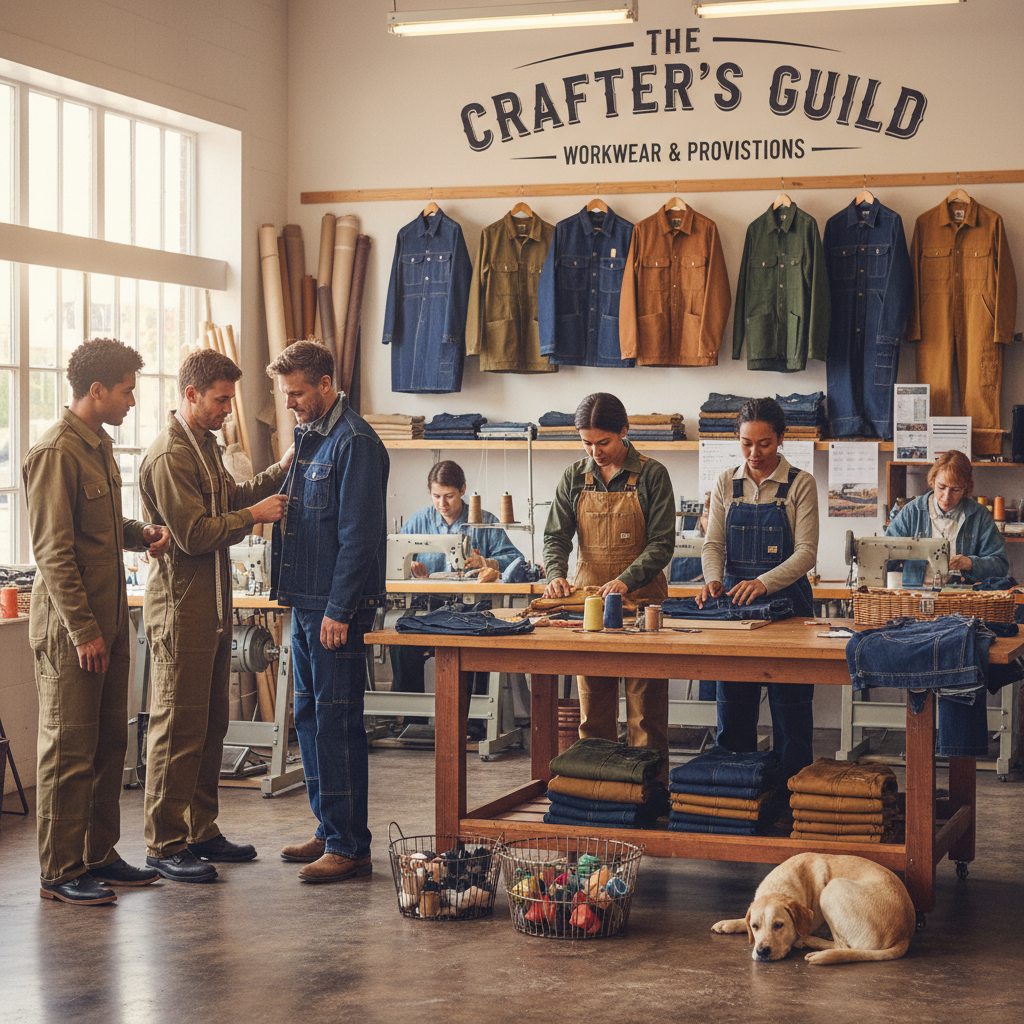
Simply put, local workwear suppliers are businesses that provide personal protective equipment (PPE) and work clothing to industries within a specific geographic region. But it's more than just selling clothes. These suppliers typically offer services like embroidery, heat sealing, inventory management, and even on-site fitting and training. They act as a crucial link between manufacturers and the end-users – the workers on the ground.
What sets them apart from national or international distributors is their local expertise and responsiveness. They understand the regional climate, specific industry regulations, and the unique needs of their client base. They’re invested in the local economy and have a vested interest in the safety and success of the local workforce.
In the modern context, defining “local” is evolving. It’s not always about being physically next door. A supplier might serve a broader region, but still offer the personalized service and quick turnaround times associated with a local provider. It’s about building relationships and providing solutions, not just transactions.
Key Characteristics of Effective Local Workwear Suppliers
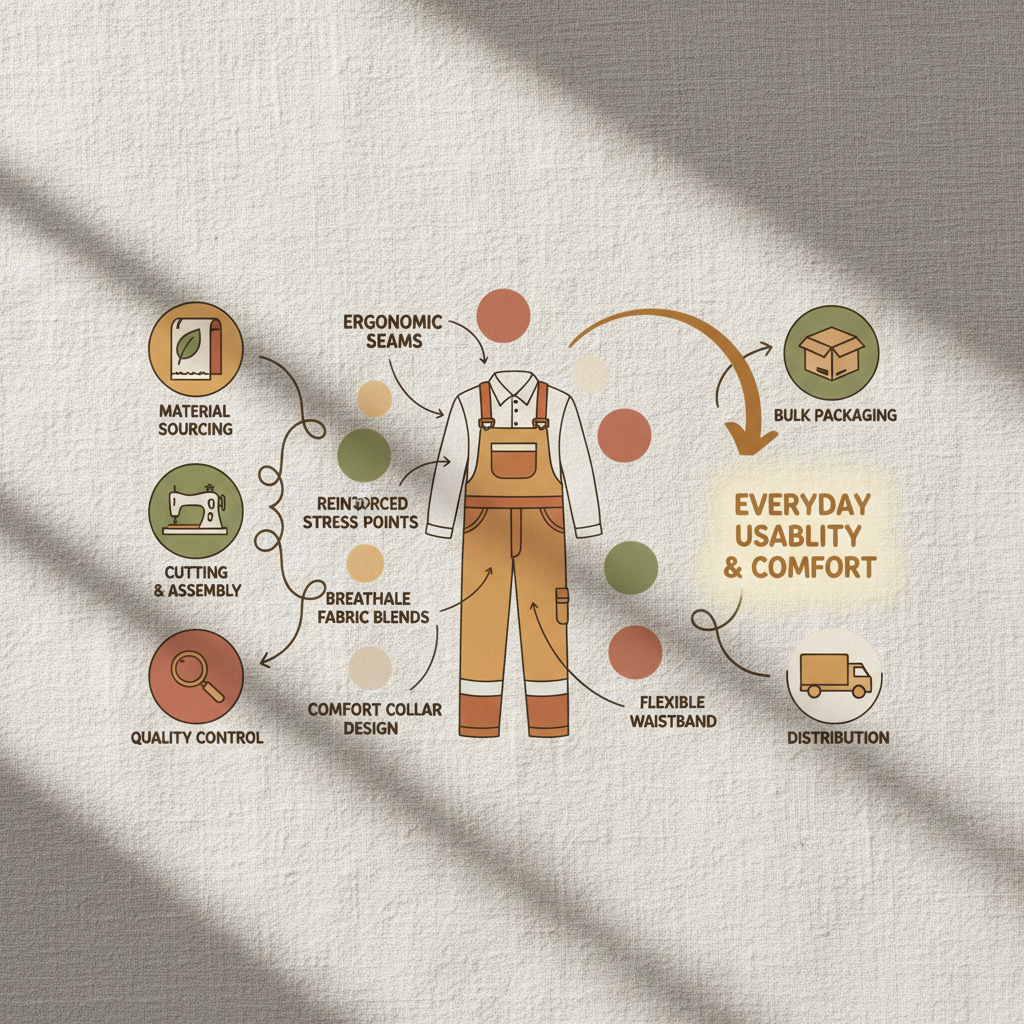
Several core characteristics distinguish a truly effective local workwear supplier. First, and most importantly, is product quality. They need to source durable, reliable PPE that meets or exceeds industry standards. No scrimping on safety. I’ve seen too many cheap gloves rip apart on the job, leaving hands exposed. You need suppliers who prioritize quality and can provide certifications to back it up.
Secondly, a fast and flexible supply chain is critical. Construction moves quickly, and you need to be able to get what you need, when you need it. This means maintaining sufficient inventory, offering rapid delivery options, and being able to handle urgent requests without delays. Being able to order customized items quickly is a huge plus.
Finally, exceptional customer service is non-negotiable. This includes knowledgeable sales representatives who can advise on the right PPE for specific tasks, responsive support staff, and a willingness to go the extra mile to meet customer needs. A good supplier doesn’t just sell you products; they build a long-term partnership.
Practical Applications Across Industries
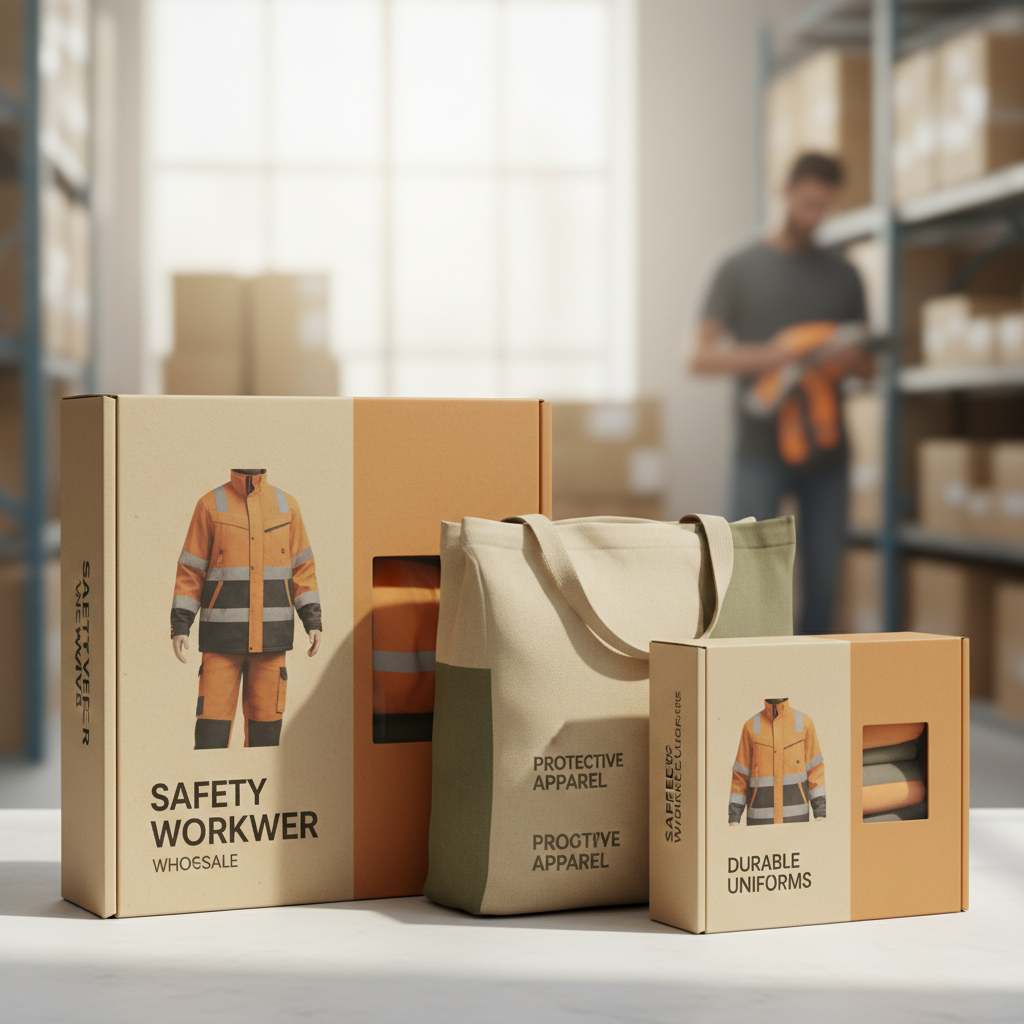
The need for reliable local workwear suppliers cuts across numerous industries. In construction, you're looking at everything from hard hats and safety glasses to high-vis clothing and fall protection gear. The oil and gas sector demands flame-resistant clothing, chemical-resistant gloves, and specialized boots. Mining requires robust PPE to protect against dust, debris, and heavy machinery.
Even industries often overlooked, like landscaping and agriculture, rely heavily on workwear suppliers for durable clothing, gloves, and protective eyewear. In post-disaster relief operations, the rapid deployment of workwear is crucial for rescue workers and rebuilding crews. You need suppliers who can quickly mobilize and provide the necessary gear to support emergency response efforts.
Industry Demand for Local Workwear Suppliers
Advantages and Long-Term Value Proposition
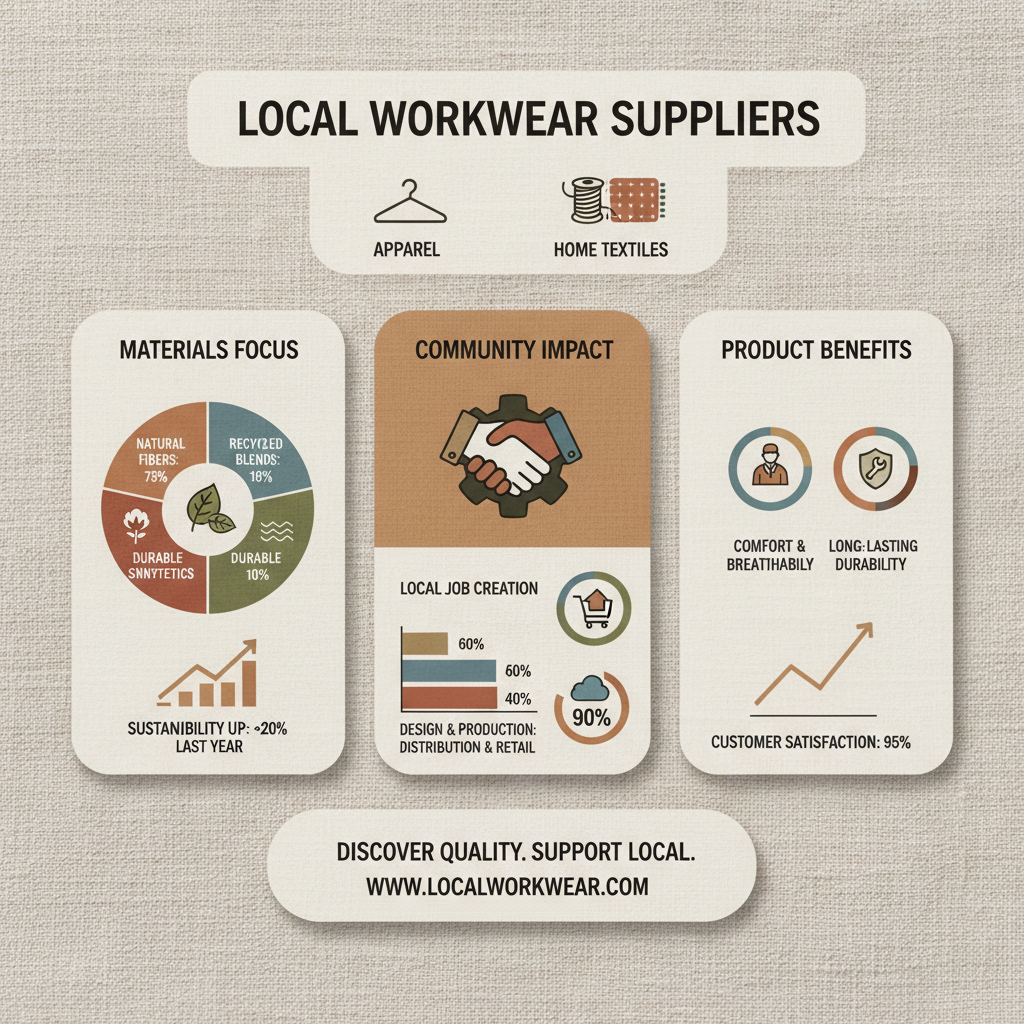
The benefits of prioritizing local workwear suppliers extend far beyond simply acquiring PPE. Cost savings are significant, especially when considering reduced shipping costs, faster turnaround times, and the ability to negotiate bulk discounts. Furthermore, supporting local businesses strengthens the community and fosters economic growth.
From a sustainability standpoint, local suppliers often have shorter supply chains, reducing their carbon footprint. And of course, there's the immeasurable value of knowing you're providing your workforce with safe, reliable gear, fostering trust and boosting morale. Investing in quality workwear is investing in your people.
Future Trends and Innovations in Workwear Supply
We're seeing a lot of exciting developments in the workwear space. Smart textiles, with integrated sensors to monitor worker health and safety, are gaining traction. 3D printing is opening up possibilities for customized PPE tailored to individual workers. And advancements in materials science are leading to lighter, more durable, and more comfortable work clothing.
Sustainability is also a major driver of innovation. Manufacturers are increasingly using recycled materials and developing eco-friendly production processes. We’ll also see more emphasis on circular economy models, where workwear is designed for reuse and recycling. local workwear suppliers are going to need to adapt and embrace these changes to remain competitive.
Challenges and Solutions for Local Suppliers
Local workwear suppliers face their share of challenges. Competition from large national distributors can be fierce. Maintaining sufficient inventory to meet fluctuating demand can be difficult. And keeping up with evolving safety regulations requires ongoing investment in training and resources.
However, there are solutions. Focusing on niche markets, providing value-added services like customization and inventory management, and building strong relationships with local industries can help differentiate them from the competition. Embracing technology, such as online ordering platforms and inventory tracking systems, can improve efficiency and customer service.
Collaboration is key. Local suppliers can partner with manufacturers, industry associations, and training providers to stay ahead of the curve and offer comprehensive solutions to their clients. It’s about being more than just a vendor; it’s about being a trusted partner.
Core Elements of Effective Local Workwear Supplier Collaboration
| Communication Frequency |
Responsiveness to Needs |
Inventory Management Capability |
Adherence to Safety Standards |
| Daily check-ins |
Within 2 hours |
Real-time tracking |
ISO 9001 certified |
| Weekly meetings |
Within 4 hours |
Automated reordering |
ANSI compliant |
| Monthly reviews |
Within 24 hours |
Manual inventory counts |
Meets minimum requirements |
| As needed |
Within 2 days |
Limited inventory visibility |
Occasional compliance issues |
| Infrequent |
Delayed responses |
No inventory management |
Non-compliant |
| Proactive updates |
Immediate attention |
Predictive analytics |
Exceeds industry standards |
FAQS
Local suppliers offer significant advantages, including faster response times, tailored solutions to regional hazards, and a deeper understanding of your specific needs. They can provide personalized service, quick turnaround on custom orders, and build a strong, collaborative relationship, which is often missing with larger chains.
Ask for documentation! Reputable suppliers will readily provide certifications proving their products meet industry standards like ANSI, ISO, or CSA. Check for testing reports and look for suppliers that are committed to ongoing quality control. Don’t hesitate to ask questions about materials and construction.
A good supplier should offer more than just a warehouse full of clothes. Look for options like managed inventory programs, where they track your usage and automatically replenish stock. Real-time inventory visibility, online ordering portals, and efficient delivery services are all signs of a well-managed supply chain.
Customization is crucial for branding, team identification, and safety. Common options include embroidery, heat sealing, and screen printing. Some suppliers also offer custom design services to create workwear that meets your exact specifications. Be sure to inquire about minimum order quantities and turnaround times.
Get quotes from multiple suppliers, focusing on price, quality, service, and delivery times. Ask for references and check online reviews. Consider visiting their facilities to assess their operations and inventory. A site visit can reveal a lot about their commitment to quality and customer service.
Effective suppliers offer training programs on proper PPE usage, maintenance, and fit. They can also help you develop a PPE policy and conduct site assessments to identify potential hazards. Staying informed about changing regulations is critical, and a good supplier will keep you updated.
Conclusion
In closing, local workwear suppliers are integral to the safety, productivity, and sustainability of countless industries. They’re not simply vendors; they’re partners, providing essential gear, expertise, and support. Prioritizing these local connections strengthens communities, fosters economic growth, and ensures that workers have the protection they deserve. Choosing wisely isn’t just about finding the cheapest price; it’s about investing in a reliable, responsive, and committed partner.
Looking ahead, the workwear industry will continue to evolve with advancements in materials science, technology, and sustainability. Local suppliers who embrace these changes and prioritize customer service will be well-positioned to thrive. Don’t hesitate to reach out and explore the options available in your area. Your team’s safety and your project’s success depend on it. Visit our website today: www.delleecloth.com.